After discovering my husband had been living a second life and
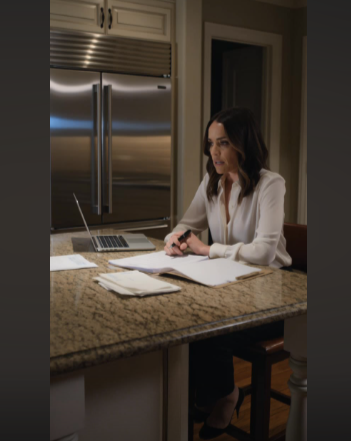
After My Husband’s Affair Wiped Out My Savings His Mistress’s Husband Found Me He Said ‘I Own A…
AFTER MY HUSBAND’S AFFAIR STOLE EVERYTHING, HIS MISTRESS’S HUSBAND CAME TO ME. HE SAID, ‘I HAVE $300 MILLION. JUST SAY YES, AND TOMORROW WE’LL SIGN AT THE COURTHOUSE.’
I had chosen the corner booth because it gave me a clear view of the restaurant without making me easy to notice.
My coffee had been cold for almost an hour.
I had not touched it since James walked in.
He sat near the fireplace with Diana Mercer.
My husband.
Another man’s wife.
And judging from the way he leaned across the table to tuck a strand of hair behind her ear, this was not their first lunch together.
It was the same gesture he used to make with me.
That hurt more than I expected.
Not because it was intimate.
Because it was familiar.
Three weeks earlier, I had still been trying to convince myself I was imagining things.
The late meetings.
The hotel charge he said belonged to a client.
The way his phone suddenly developed a password.
The silences when I entered a room.
By that afternoon, I was no longer looking for proof of an affair.
I was watching the proof eat lunch.
My name is Lily Carter.
I was twenty-nine years old and a senior associate in forensic accounting.
I had spent six years examining corporate records for inconsistencies other people missed.
Fake vendors.
Inflated expense reports.
Revenue recognized too early.
Payments broken into unusual sequences.
Executives who believed a complicated explanation was the same thing as an innocent one.
I was very good at detecting deception.
Apparently, I just needed the deception to belong to somebody else.
James had not only cheated on me.
He had also tricked me into signing financial documents I did not fully understand.
Two months earlier, he came home pale and frightened.
His logistics consulting company was struggling.
At least that was what he told me.
A client had failed to pay.
A lawsuit was coming.
Creditors might reach marital assets.
He placed a stack of papers on our kitchen table.
“My lawyer says we should separate some property now.”
I read the first pages.
Then James began explaining faster than I could process.
The house.
Our savings.
Business liabilities.
Protection.
Standard language.
He kept repeating one sentence.
“This protects you.”
I signed.
That was my mistake.
Not trusting my husband.
Signing a legal agreement without independent counsel because the man explaining it was my husband.
Those are different things.
A week later, I received divorce papers.
That was when my own attorney explained what I had actually signed.
A postnuptial agreement heavily favoring James.
It purported to waive much of my claim to equity in the house and certain marital assets.
It did not mean he automatically won.
The agreement could be challenged.
Disclosure mattered.
Circumstances mattered.
Whether I had independent legal advice mattered.
Whether James had misrepresented the document mattered.
But it meant the divorce was going to become much uglier than I had imagined.
Then came Diana.
I was watching her laugh when a man sat down across from me.
No invitation.
No hesitation.
Dark overcoat.
Gray beginning at the temples.
Controlled expression.
The kind of man who looked as if he had spent years learning not to react until everyone else had finished.
“You’ve been watching that table for forty minutes.”
I stared at him.
“You’re either a private investigator or someone’s spouse.”
“Soon-to-be ex-spouse.”
He nodded.
“Same.”
Then he placed a manila envelope between us.
“My name is Nathan Mercer.”
I knew the name.
Anyone who worked around Chicago finance knew it.
Mercer Development Group.
Commercial towers.
Mixed-use projects.
Industrial properties.
Hundreds of millions in assets under management.
The woman sitting with my husband was Nathan Mercer’s wife.
I looked from him to Diana.
Then back.
“You know?”
“For several months.”
“About them?”
“Yes.”
He rested one hand on the envelope.
“But that isn’t why I’m here.”
I opened it.
The first documents were company payment records.
A vendor named Axis Horizon Consulting.
Repeated transfers.
Strategic advisory fees.
Market research.
Project consulting.
Amounts large enough to matter but ordinary enough to disappear inside a company the size of Mercer Development.
Then I reached the corporate registration.
Axis Horizon’s registered manager was James Carter.
My husband.
I looked up.
Nathan’s face did not change.
“How much?”
“We don’t know yet.”
“How much do you know?”
“Enough that my outside counsel recommended an independent forensic review.”
I returned to the papers.
“Why show me?”
“Because your husband is tied to the vendor.”
“That makes me conflicted.”
“Yes.”
Good.
At least he understood that.
Nathan continued.
“My board formed a special committee this morning. Outside counsel is leading the investigation. They are retaining an independent forensic firm.”
“So why do you need me?”
“I don’t need you to conduct the company investigation.”
That surprised me.
“I need you to tell us what you know about James.”
I went still.
“Business accounts.”
“Entities.”
“Communications.”
“Anything you can lawfully provide.”
Then:
“And your lawyer needs to know that some of the documents James used in your divorce may intersect with the same entities.”
I stared at him.
“You researched me.”
“My lawyers did.”
“That’s comforting.”
“It wasn’t intended to be.”
For the first time, something almost human moved through his expression.
Exhaustion.
Nathan had not come to recruit a revenge partner.
He had come because the person sleeping with his wife also appeared inside suspicious corporate records.
That was much worse.
“Do you have proof Diana authorized these?”
“Some.”
“Board approval?”
“Unclear.”
“Deliverables?”
“Almost none.”
“Independent vendor due diligence?”
“Bypassed.”
That got my attention.
“How?”
“We’re trying to determine that.”
I closed the folder.
“What do you want from me?”
“One meeting tomorrow morning.”
“With whom?”
“My outside counsel.”
“And your forensic accountants.”
“Yes.”
“I bring my attorney.”
“Absolutely.”
I looked toward James.
He was helping Diana into her coat.
Neither of them noticed us.
I turned back to Nathan.
“Nine?”
“Nine.”
Then he stood.
No proposal.
No dramatic pact.
Just:
“Don’t confront him tonight.”
“I wasn’t planning to.”
Nathan looked at me.
“Good.”
I almost smiled.
“Mr. Mercer, I audit fraud for a living.”
“Then you know people destroy evidence when they know you’ve started looking.”
“Exactly.”
That was the first thing we agreed on.
The meeting took place the next morning in a law office on Wacker Drive.
Nathan was there.
His general counsel was not.
That mattered.
The board’s special committee had retained an outside firm because senior management could be part of the problem.
The lawyer leading the meeting was a woman named Priya Shah.
Her first sentence made me trust her.
“Mr. Mercer does not control this investigation.”
Nathan said nothing.
Priya continued.
“The committee does.”
Across the table sat two forensic accountants from an independent firm.
One former federal prosecutor.
My divorce attorney, Elaine Porter.
And me.
Priya explained the rules.
I was not being hired to investigate Mercer Development because James’s involvement created too many conflicts.
I could provide documents I lawfully possessed.
I could answer questions.
I could identify financial patterns I personally knew.
But I was also a potential witness.
They did not want me contaminating that role.
It was frustrating.
It was also correct.
So I handed them what I had.
James’s business documents stored on our shared household computer.
Tax returns we had filed jointly.
Bank statements from accounts in both our names.
Corporate names he had mentioned.
Emails he had forwarded to me.
Nothing obtained through hacking.
Nothing pulled from accounts I had no right to access.
Just the things already inside my legal possession.
Then Elaine produced the postnuptial agreement.
One of the forensic accountants read it.
Stopped.
Read one section again.
“What?”
I asked.
He pointed to a schedule of assets.
James had disclosed an interest in a consulting entity I did not recognize.
A company called Northstar Logistics Advisory.
Priya looked at the Axis Horizon registration.
“Different entity.”
“Yes.”
Then the accountant said:
“But same mailing address.”
The room became quiet.
Nathan leaned forward.
It was a post-office suite James had used for both companies.
Not proof of fraud.
A connection.
That was how real investigations work.
You do not leap from one coincidence to guilt.
You mark it.
Then ask whether the next fact points in the same direction.
For the next six weeks, facts kept pointing.
The independent forensic team reconstructed fourteen months of vendor activity.
Axis Horizon had submitted invoices for advisory projects that left almost no business footprint.
No reports.
No calendar invitations.
No documented analyses.
No work product commensurate with the fees.
Some payments had been properly approved.
Others had passed through exceptions that should have triggered review.
Those exceptions were tied to several employees.
Including the head of accounts payable.
And Diana.
The investigators did not announce this to the company.
Employees were not offered some blanket “amnesty” I could invent from a conference room.
Outside counsel conducted interviews.
Placed litigation holds.
Preserved devices.
Restricted access where corporate authority allowed.
Banks were formally notified of changed signatory controls after board resolutions were adopted.
Where subpoenas or court orders were needed, lawyers obtained them.
Slow.
Methodical.
Boring.
And devastating.
My own life moved in parallel.
James continued with the divorce.
He acted as though the affair had nothing to do with the finances.
His lawyer took the position that the postnuptial agreement was enforceable.
Elaine disagreed.
We sought records.
Disclosure.
Communications relating to when the agreement was drafted.
Who prepared it.
What James told the lawyer.
What financial interests existed at the time.
Then we found something useful.
Not magical.
Useful.
The agreement described James’s business condition as severely distressed.
Yet around the same period, his company had received several large payments linked to Axis Horizon.
That did not automatically invalidate anything.
But it made the story he had told me about imminent collapse look incomplete.
Elaine said:
“Now we ask whether the disclosure was materially accurate.”
That was the first time I felt the ground begin shifting back beneath me.
Nathan and I spoke rarely.
That surprised me.
The original version of this story would probably have us working side by side until midnight every night.
Reality was more appropriate.
He was the company CEO.
I was a witness with my own divorce.
Outside counsel wanted separation.
So Nathan and I mostly communicated through lawyers.
Once, three weeks into the investigation, we ran into each other in the lobby after separate meetings.
“How are you?” he asked.
“Expensive.”
He actually laughed.
“You?”
“Also expensive.”
“Divorce?”
“Lawyers.”
“Same disease.”
The elevator arrived.
We stepped inside.
For ten floors, neither of us spoke.
Then he said:
“Diana says you’re doing this because I’m manipulating you.”
I looked at him.
“She called me too.”
His jaw tightened.
“What did she say?”
“That you use people.”
“That sounds like her.”
“She also said you’d discard me when this was over.”
He looked toward the elevator doors.
“And what did you say?”
“That you haven’t actually given me anything.”
He turned.
“I’m not sure whether to be offended.”
“Try gratitude.”
The doors opened.
We went separate directions.
That should have been nothing.
It was not nothing.
Diana retained criminal counsel before anyone was charged.
Smart.
James did the same eventually.
Also smart.
The forensic review found more than Axis Horizon.
Two additional vendors had unusual ties to people connected with James.
Payments flowed through legitimate-looking consulting contracts into entities that ultimately paid business expenses for James and personal expenses connected to Diana.
There were also transfers the investigators initially thought suspicious that turned out to be legitimate.
That mattered.
A proper investigation does not keep only the facts that fit.
One vendor produced complete work product.
Real reports.
Real employees.
Valid contract.
Cleared.
Another payment Diana had personally authorized turned out to relate to a disclosed acquisition expense.
Cleared.
Every false suspicion removed made the remaining ones stronger.
The preliminary loss estimate ultimately exceeded one million dollars.
But even that number changed several times.
Some money was recovered.
Some services could not be valued cleanly.
Some transactions were disputed.
That is accounting.
Numbers become credible by surviving correction.
The biggest break came from an accounts-payable supervisor.
Not because I threatened her job.
Because the forensic team showed her several approval chains and asked direct questions.
She admitted that Diana had occasionally instructed staff to bypass ordinary procurement steps for “executive strategic vendors.”
Axis Horizon was one.
She had questioned it once.
Diana told her Nathan had personally approved the relationship.
Nathan had not.
That statement was documented.
Then investigators found emails supporting it.
Diana’s defense became harder.
James’s became worse when his own records were subpoenaed during the civil and criminal processes.
His logistics company had received money from Axis Horizon.
Some of those funds covered legitimate business costs.
Some were routed elsewhere.
The investigators found communications between James and Diana discussing invoice timing.
Cash needs.
Which entity should bill which Mercer project.
Nothing as ridiculous as:
Let’s commit fraud Tuesday.
People rarely write their crimes that neatly.
Instead:
Use AH for this one.
Keep it away from Nathan’s project team.
Run it through the advisory budget.
James can handle the downstream allocation.
Context did the rest.
The affair mattered less and less to me.
That was surprising.
At first, I thought Diana was the great betrayal.
Then I realized the sexual relationship was almost the simplest thing they had done.
They had lied to spouses.
Ordinary human ugliness.
The financial deception required planning.
Paperwork.
Repeated choices.
Other people being pulled into silence.
That was colder.
Two months after the bistro, James asked me to meet.
My attorney told me I could if his lawyer knew and if we kept the conversation limited.
Neutral coffee shop.
Daytime.
No hidden recorder.
No trap.
He looked terrible.
Not satisfying terrible.
Just tired.
“I need to know what you’ve given them.”
I stirred my coffee.
“My lawyer told me not to discuss the investigation.”
“Lily.”
“No.”
“You’re my wife.”
“Not for much longer, according to the petition you filed.”
He flinched.
Good.
Not because I enjoyed hurting him.
Because facts deserve their weight.
He leaned closer.
“Diana says Nathan is trying to destroy her.”
“I don’t care what Diana says.”
“She’s scared.”
“So am I.”
That stopped him.
“You think I’m enjoying this?”
I asked.
“You lied about your finances.”
“You lied about why I was signing that agreement.”
“You filed for divorce while I still believed we were trying to protect our marriage.”
“And you were sleeping with someone else.”
His face changed.
I continued.
“So no, James. I’m not enjoying this.”
“I’m trying to figure out how much of my marriage was real.”
For several seconds, he looked like the man I had loved.
That was still dangerous.
Then he said:
“The agreement wasn’t meant to leave you with nothing.”
“Then why does it?”
“It was leverage.”
My entire body went still.
“For what?”
He looked down.
“In case the divorce got ugly.”
There are confessions people give because they think the smaller wrong will protect them from the larger one.
James had just admitted he knowingly used my trust to improve his divorce position.
I did not need to turn that into a courtroom victory on the spot.
I simply said:
“Tell your lawyer what you just told me.”
His face drained.
Then he understood.
“I should go.”
“Yes.”
I told Elaine.
She handled the rest.
Months later, James stopped defending the postnuptial agreement.
Not because one sentence magically destroyed it.
Because the accumulating evidence around nondisclosure, timing, communications, and circumstances made continued litigation risky.
We negotiated.
The house was sold.
I recovered my documented contribution to the purchase as part of the overall settlement framework, though not by some perfect mathematical refund.
Marital assets were divided.
Debts addressed.
Legal fees consumed an amount of money that still irritates me.
The divorce became final.
I walked out of court neither victorious nor destroyed.
Just unmarried.
That felt larger than expected.
Nathan’s divorce took longer.
Diana had ownership interests connected to Mercer Development from the company’s early years.
Those could not simply be erased because she had behaved badly.
Valuation.
Marital property questions.
Corporate governance.
Separate civil claims arising from the company investigation.
Everything had to be disentangled.
Nathan once said:
“I thought being rich would make divorce simpler.”
I said:
“It makes it better catered.”
He laughed.
That was several months after my divorce.
By then, the special committee had completed its investigation.
The company filed civil claims.
Law enforcement had opened formal investigations based on referrals made by outside counsel.
I had not filed an “IRS referral” and threatened investors with obstruction.
No one with competent legal advice would let me do that.
The board had its own duties.
Investors had their own counsel.
The company disclosed material issues where required.
The regulators decided what they wanted to investigate.
That separation protected the company.
It also protected Nathan from himself.
There had been moments when he wanted to confront Diana.
Remove people immediately.
Call investors personally.
Outside counsel repeatedly told him:
“No.”
To his credit, he listened.
That may have been the first reason I began trusting him.
Powerful people are easy to admire when they act.
I was more interested in whether Nathan could tolerate not acting when process required it.
He could.
Diana and James were eventually charged.
Not with every crime people online would have imagined.
Specific financial offenses supported by the evidence.
Fraud-related counts.
Conspiracy allegations.
Tax issues emerged from parts of the transaction chain.
James eventually agreed to cooperate.
His decision came through his attorney.
Not through me offering him sentencing deals at a coffee shop.
I did not have that power.
Neither did Nathan.
Prosecutors did.
James provided records.
Explained entities.
Identified where money moved.
His cooperation affected the case.
So did his role.
So did the evidence.
Diana fought longer.
Her lawyers challenged portions of the company’s forensic review.
Some objections were legitimate.
Some records had to be authenticated differently.
Some claims were narrowed.
The eventual criminal resolution took more than a year.
By then, I had stopped following every filing.
I had my own life back.
Or was beginning to.
Nathan called me about four months after my divorce became final.
“Dinner?”
I stared at the phone.
“For business?”
“No.”
“That’s alarmingly vague.”
“Dinner.”
“We have lawyers.”
“They are not invited.”
I smiled despite myself.
“Your divorce isn’t final.”
“I know.”
“Then no.”
Silence.
Then:
“Fair.”
That answer mattered.
Three months later, his divorce was final.
Two weeks after that:
“Dinner?”
I said yes.
We went somewhere that had nothing to do with River North finance.
Small Italian restaurant.
No shell companies.
No attorneys.
No fraudulent vendors.
It was strange.
Nathan had been a figure in the worst period of my life.
I had seen him furious.
Controlled.
Exhausted.
Humiliated.
I had never seen him choose pasta.
He took nine minutes.
“This may be the most indecisive I’ve ever seen you.”
“Food has consequences.”
“You manage a development company.”
“Buildings are easier.”
We talked about things we had somehow never discussed.
His childhood.
My mother.
The fact that I had wanted to be a math teacher before discovering forensic accounting paid better.
His first job.
My hatred of skiing.
His inability to cook anything except eggs.
Diana came up once.
James once.
Neither remained in the conversation long.
Good.
Our former spouses had already taken enough table space.
We dated.
Slowly.
I kept my job at my audit firm.
That was important to me.
Nathan once asked whether I wanted to join Mercer Development.
“No.”
“You didn’t let me finish.”
“You were going to offer me CFO.”
He smiled.
“Yes.”
“No.”
“Why?”
“Because I do not want my career to become another thing people can attribute to the man I’m dating.”
His expression changed.
Not offended.
Thinking.
“Fair.”
Two years later, I did join another company as controller.
Not Nathan’s.
The salary was better.
The commute was worse.
I complained about it constantly.
Our relationship became real in the least cinematic ways.
He learned I leave mugs everywhere.
I learned he wakes at five-thirty even on Sundays for reasons no doctor has successfully explained.
He likes silence in the morning.
I need music.
He alphabetizes spices.
I considered ending the relationship over that.
He said:
“You work in audit.”
“Exactly. I need one area of lawlessness.”
We argued.
Not dramatically.
Normally.
About time.
Work.
His tendency to solve emotional problems by offering logistics.
My habit of withdrawing when I am angry instead of speaking.
Eventually we learned.
Or at least became less bad.
Nathan proposed almost three years after we met.
Not in a courthouse.
Not because I needed corporate standing.
Not because our enemies required defeating.
We were walking home after dinner.
He stopped near the river.
“I have a question.”
“If it involves financial statements, tomorrow.”
“It doesn’t.”
I looked at him.
He held out a ring.
No speech about empires.
No mention of his net worth.
Thank God.
Just:
“I would like the part after this to be with you.”
I started crying.
He looked alarmed.
“Nathan.”
“Yes?”
“You could have rehearsed.”
“I did.”
“That was rehearsed?”
“I removed several sentences.”
“Put one back.”
He thought.
Then:
“I trust you more than anyone I know.”
That did it.
“Yes.”
We married six months later.
Small ceremony.
Separate attorneys.
Prenuptial agreement.
Full financial disclosure.
Nathan thought that was funny.
“You trust me more than anyone you know, but you want forty pages.”
“Correct.”
“Romantic.”
“Extremely.”
The agreement protected both of us.
His company remained his.
My assets remained clearly defined.
Neither of us needed financial vulnerability as proof of love.
I had already learned that lesson once.
James eventually served his sentence.
I saw him one time after everything was resolved.
Not before sentencing.
Years later.
He contacted me through email.
Asked whether I would meet.
I almost declined.
Then agreed.
Public place.
Afternoon.
He looked older.
So did I.
“I’m sorry,” he said.
I waited.
“For Diana.”
“That is a category.”
He nodded.
“For the affair.”
“For the money.”
“For the agreement.”
“For thinking you were the safe person to hurt.”
That was the first thing he said that surprised me.
“What does that mean?”
He looked at the table.
“I knew you would be devastated.”
“But I thought you would behave.”
I felt something cold move through me.
“Behave?”
“Not destroy things.”
“Not embarrass me.”
“Not call my clients.”
“Not make scenes.”
He gave a miserable laugh.
“I confused your self-control with permission.”
That was painfully accurate.
I sat back.
“Why tell me now?”
“Because I spent years saying Diana manipulated me.”
“And?”
“She did sometimes.”
He looked up.
“But I was there.”
“I signed things.”
“I lied.”
“I benefited.”
“I wanted what I wanted.”
That was enough.
Not enough for reconciliation.
Enough truth for one conversation.
“I hope you build something better,” I said.
He nodded.
“I hope so too.”
We did not hug.
That was appropriate.
Diana’s story ended separately.
I know pieces.
Not all.
I deliberately stopped collecting them.
At some point, information becomes another form of attachment.
I no longer needed to know whether she regretted losing Nathan.
Whether she blamed James.
Whether she thought the company had treated her unfairly.
Those questions belonged to her life.
Mine had moved.
Mercer Development survived.
Some employees lost jobs.
Others did not.
Controls changed.
The board added independent oversight.
Vendor approval became more rigorous.
The company recovered part of the lost funds through insurance, settlements, restitution, and asset recovery.
Not all.
Fraud almost always leaves friction behind.
Legal fees.
Investigative costs.
Damaged relationships.
Time.
You rarely balance those books completely.
Nathan once said he wished he had noticed earlier.
I understood.
For months I asked the same thing about James.
How could I audit multimillion-dollar businesses and not see my own husband?
Eventually my therapist asked:
“Were you conducting a forensic audit of your marriage every evening?”
“No.”
“Would you want to?”
That ended the question.
Trust is not stupidity.
A marriage where every statement must be independently verified is not a healthy marriage.
James abused trust.
That did not mean trusting him had been inherently foolish.
What I regretted was ignoring the moment the facts stopped matching the explanation.
That lesson I kept.
Not suspicion.
Attention.
Nathan and I have been married four years now.
People sometimes ask how we met.
He usually says:
“Through work.”
I say:
“Our spouses were committing felonies together.”
Nathan hates that answer.
Which is why I continue using it.
The truth is more complicated.
We did meet because two people betrayed us.
But betrayal did not build what came afterward.
If it had, the relationship would have collapsed the moment the court cases ended.
What built it was everything less dramatic.
Nathan accepting no when I refused to join his company.
Me learning not to assume every wealthy man wants control.
Him giving me financial information before I asked because transparency mattered.
Me signing a prenup because transparency also means protecting clarity.
Arguments.
Dinners.
Bad mornings.
Ordinary Sundays.
A relationship built after deception should probably be boring in places.
Ours is.
I love that.
Sometimes I think about the afternoon at Alara’s.
Cold coffee.
Ivy around the pillar.
James leaning toward Diana.
Nathan sitting down across from me with a folder.
In another version of the story, maybe he says:
“Marry me tomorrow and together we’ll destroy them.”
Maybe I say yes.
Maybe we walk into a courthouse like two wounded people mistaking adrenaline for destiny.
It would make a better scene.
It would have made a terrible life.
Instead, he said:
“My lawyers need to talk to you.”
Less romantic.
Much smarter.
He did not rescue me from my divorce.
I did not rescue his company.
Lawyers challenged my postnuptial agreement.
Independent accountants audited his books.
A board exercised governance.
Investigators built cases.
Courts decided what was enforceable.
Prosecutors decided what could be proved.
James chose whether to cooperate.
Diana chose how to defend herself.
Nathan and I only controlled our own decisions.
That turned out to be enough.
The worst thing James ever did to me was not sleeping with Diana.
It was convincing me that my trust made me foolish.
For a while, I believed him.
I do not anymore.
Trust is not weakness.
Trust without boundaries can be dangerous.
Trust after evidence contradicts it can become denial.
But the ability to trust another person at all?
That remains one of the better things about me.
James lost access to it.
Nathan earned it.
Slowly.
And I learned that those are not contradictory facts.
The first marriage ended because a signature I gave in trust was used against me.
The second began years later with forty pages of disclosure, two independent lawyers, and both of us reading every line.
I signed that agreement too.
This time I knew exactly what it meant.
That may be the least romantic ending imaginable.
To me, it was perfect.
