At Thanksgiving dinner, my father looked across the table and told every
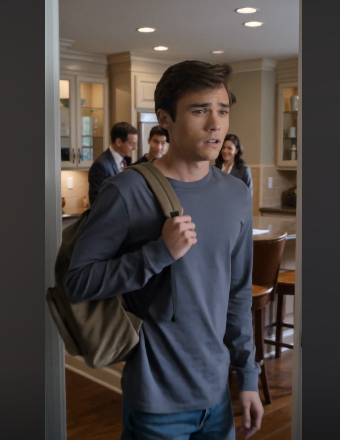
At Thanksgiving, my father called me a failure, tore up the home I had quietly bought for him, and ordered me out in front of the whole family. I said, “All right,” picked up my coat, and left without arguing. He still believed I was the broke son everyone mocked. He had no idea I had built a $150 million fortune—or that the company keeping his house, business, and Blaine’s lifestyle afloat belonged to me.
My father tore the envelope in half before he read it. “Then get out,” he said, while Blaine smiled across the Thanksgiving table and my mother looked away. I left without defending myself. What none of them knew was that the quiet company covering their debts, holding their mortgage, and keeping their fragile lifestyle standing was mine.
The first thing I noticed was how quiet the room became after Grant Whitmore said it.
Twenty people had been talking over one another a few seconds earlier.
Silverware had clicked against china.
Someone had been laughing near the far end of the table.
Then my father looked directly at me and reduced twenty-eight years of fatherhood to three words.
“Then get out.”
The torn envelope lay across my plate.
One piece had landed beside the cranberry sauce.
Another had caught against the stem of my water glass.
My mother, Fiona, stared down at the tablecloth as if the embroidered pattern had suddenly become fascinating.
My older brother Blaine leaned back in his chair with a small smile.
His fiancée, Sloan, touched his sleeve and whispered something I could not hear.
I looked at my father.
He expected an argument.
That was the role he had assigned me years ago.
He would provoke me, I would explain myself, and he would treat the explanation as proof that I was weak.
This time I gave him nothing.
“All right.”
His expression changed by half a degree.
It was barely visible.
He had expected pleading.
Instead, I reached for my coat.
The funny part was that the envelope he had just destroyed contained the deed to a small three-bedroom house.
Paid in full.
No mortgage.
No loan.
No strings.
I had planned to give it to Grant and Fiona privately because I already knew the mansion around us would not remain theirs much longer.
My father never bothered to read the papers.
He tore my last gesture of mercy into pieces and threw them at me.
I stood, pushed my chair in, and looked once around the table.
Aunt Daphne looked uncomfortable.
Uncle Arthur studied his glass.
Two cousins suddenly found reasons to look at their phones.
Nobody spoke.
That silence told me more than any apology could have.
They had watched this dynamic for years.
Some had laughed with Blaine.
Others had simply decided staying out of it was easier.
I could not blame every person at the table equally.
But I could finally stop pretending I had to remain inside the pattern.
I put on my coat.
Grant’s voice followed me toward the hallway.
“Maybe now you’ll learn something about responsibility.”
I stopped for one second.
Not because the sentence hurt.
Because the irony was almost perfect.
The chandelier above his head belonged to a house whose mortgage note was owned by Nova Holdings.
Nova Holdings belonged entirely to me.
The Porsche Blaine had polished that morning was still in his driveway because Nova had quietly kept his loan from collapsing.
The family investment firm Grant bragged about at every charity dinner had survived the past two years because the largest pieces of its distressed debt had been purchased by the same anonymous company.
Mine.
I turned toward my father.
He mistook my silence for defeat.
That mistake had protected him for two years.
It was about to stop.
I left the dining room.
The heavy front door closed softly behind me.
Cold November air met my face.
I could still see the dining room through the tall windows.
Blaine had already reached for his wine.
Grant was talking again.
The family machine had restarted.
They believed the problem had walked out the door.
I walked down the long driveway toward my twenty-year-old Honda.
They had mocked that car for almost a decade.
Blaine called it my rolling résumé.
Grant once offered to have it removed before a holiday party because he thought it made the property look cheap.
I kept it because it ran.
I also kept it because every time they laughed at it, they told me something useful.
They were still judging wealth by what they could see.
That was exactly how I wanted it.
My phone buzzed before I reached the car.
Nolan.
You alive?
I smiled despite myself.
Nolan had been my closest friend since college and the only person besides my lawyers and financial team who understood how absurd my family situation had become.
I typed back.
Done.
His reply arrived immediately.
That bad?
I looked back at the house.
Through the glass, Grant raised his wine.
Blaine laughed.
I wrote two words.
Worse. Final.
Then I put the phone away.
For most of my life, I had been the disappointing Whitmore son.
Blaine was three years older and understood our father’s value system almost from birth.
Appearance mattered.
Status mattered.
Connections mattered.
If a person could not be introduced at a country club without improving Grant’s reputation, Grant struggled to see the point of them.
Blaine fit that world naturally.
He was handsome, loud, confident, and very good at sounding certain when he understood almost nothing.
People liked certainty.
Grant loved it.
I was different.
I liked systems.
I liked puzzles.
I liked computers because they did not care how expensive your shoes were.
By fourteen, I could spend an entire Saturday rebuilding a machine just to understand why one component was slowing everything else down.
My mother hated that.
“Go outside,” Fiona would say from my bedroom doorway.
“I am doing something.”
“You are hiding.”
I never knew how to explain that I felt less hidden behind a screen than I did at our family dinner table.
At dinner, Blaine’s smallest achievements became stories.
A decent grade became evidence of leadership.
Making the varsity bench became proof of discipline.
Winning a student council vote became proof that he was born for business.
When I earned a full academic scholarship to a strong engineering program, Grant read the letter once and handed it back.
“Good,” he said. “At least college won’t cost us much.”
That was the celebration.
Two years earlier, Blaine had been accepted into a state university after months of uncertainty.
My parents rented a club dining room.
There were flowers.
There was champagne.
Grant bought him a new BMW.
I remember standing beside the car while Blaine ran his hands across the hood.
“You should study business,” he told me.
“I like engineering.”
He laughed.
“Exactly.”
That became the pattern.
If Blaine did something, it mattered because Blaine had done it.
If I did something, Grant looked for the practical benefit to the family.
At nineteen, I gave him one.
That summer, I was home from college working at a laptop repair shop.
Grant’s investment firm had started a major digital transition, and something had gone wrong with the client database.
I did not know every business detail.
I only knew that Grant came home tense for three nights in a row and spent hours on calls with consultants.
One evening I heard him tell Fiona that fixing the problem might require days of downtime.
The firm could not afford that.
Blaine had recently been given a junior position there.
He knew little about the technical problem, but he knew enough to stay away from Grant when Grant was angry.
I should have done the same.
Instead, I wanted to help.
That was the part of myself I did not yet understand.
Even after years of being treated like an afterthought, I still believed one undeniable success might force my father to see me differently.
Grant finally allowed me to review a sanitized copy of the system problem after I explained what I was studying.
I spent almost two days building a patch.
I slept in short bursts.
I tested every section twice.
When it worked, I wrote a clear report explaining what I had changed and why.
I left everything for Grant.
Then I slept.
When I came downstairs the following evening, there was champagne in the kitchen.
Grant had one arm around Blaine’s shoulders.
Fiona was smiling.
“You pulled it off,” Grant said.
I stopped in the doorway.
Blaine saw me first.
Something in his expression warned me before anyone spoke.
Grant lifted his glass.
“Your brother found the right outside help and coordinated the entire fix.”
My stomach went cold.
“What outside help?”
Grant frowned.
“The people Blaine hired.”
I looked at Blaine.
He took a slow sip of champagne.
I understood.
My report was gone.
My name was gone.
The work remained.
I stepped into the room.
“I wrote that patch.”
Fiona’s smile disappeared.
Grant looked irritated rather than surprised.
I explained enough technical detail that there could be no doubt.
I described the architecture.
The logic.
The testing.
The sequence.
Blaine stared at the counter.
Grant listened until I finished.
For one brief second, I thought the truth might matter.
Then he motioned me into the hallway.
His voice dropped.
“Blaine needs credibility at the firm.”
“So you knew?”
“He needs this more than you do.”
That answer changed something in me.
I stared at him.
“You’re letting him take credit.”
“You’re an engineering student. You’ll write a hundred things like this.”
“That isn’t the point.”
Grant’s jaw tightened.
“The point is that Blaine is building a career people can see. He needs confidence from the board. You want to spend your life behind a computer anyway.”
I remember how calm he sounded.
That was worse than anger.
He had already decided the theft was reasonable.
My work belonged to whoever he considered more useful.
“What am I supposed to do?” I asked.
“Be a good brother.”
That sentence stayed with me for years.
I packed my bag that night and returned to campus early.
Grant assumed I was sulking.
Blaine never apologized.
Fiona called once to tell me I was creating tension by being dramatic.
I stopped expecting fairness after that.
But I did not stop working.
College became the first place where effort and outcome seemed connected.
I lived in labs.
I repaired computers for cash.
I tutored introductory programming.
I ate more cheap noodles than I care to remember.
Then I met Nolan.
He was brilliant in the least organized way imaginable.
His desk looked like a recycling center for broken electronics.
He could forget an appointment he had scheduled himself, but if you gave him a systems problem, he could disappear for six hours and return with three solutions.
We became friends because neither of us knew when to quit.
During our final year, we started experimenting with cloud infrastructure and data compression.
The initial idea was simple.
Server systems were wasting extraordinary amounts of space.
We believed we could build a more efficient way to compress and secure stored information without slowing access.
Simple idea.
Difficult execution.
We started the company from an off-campus apartment with stained carpet and a kitchen table that leaned slightly to the left.
Our first investor meeting lasted eleven minutes.
The second lasted seven.
One person told us the technology was clever but commercially useless.
Another suggested we take jobs at established firms and revisit entrepreneurship when we were older.
Nolan kept every rejection email in a folder titled Future Comedy.
For four years, nothing looked impressive from the outside.
That suited my family perfectly.
When I came home for Christmas, Grant asked what my salary was.
“I’m paying myself enough.”
“That means low.”
“It means enough.”
Blaine laughed.
“Still building your little computer company?”
“Yes.”
“Dad, we should hire him when it fails.”
Grant smiled into his wine.
“To fix the printers?”
They both laughed.
I ate another bite of dinner.
I had learned something useful by then.
People reveal more when they believe you have no power.
So I let them talk.
I let Blaine tell me about his two-million-dollar client portfolio.
I let Grant lecture me about career choices.
I let Fiona ask whether I planned to “dress like a student forever.”
Then I went back to work.
The breakthrough came in our fifth year.
A major technology company began testing our compression system.
The first pilot produced results strong enough to bring senior executives into the conversation.
Six months of negotiations followed.
Lawyers replaced engineers in most of the meetings.
Every sentence seemed to create three new documents.
Nolan hated it.
I found it strangely calming.
For once, complexity was working in our favor.
The final meeting took place in a glass conference room high above the city.
I wore the same charcoal hoodie I had worn to half our early investor meetings.
Nolan wore a shirt he had ironed badly.
Our attorneys looked nervous until the final signatures appeared.
The company bought our startup for $250 million.
After taxes, fees, employee shares, and Nolan’s ownership were handled, the money attributable to me came to approximately $150 million.
I stared at the number on the confirmed transaction longer than I expected.
Nolan walked circles around the conference table.
“We’re done,” he said.
“We’re not done.”
“We are financially done.”
“That’s different.”
He pointed at me.
“You need a ridiculous car.”
“No.”
“A ridiculous house.”
“No.”
“A boat?”
“I get seasick.”
He dropped into a chair.
“You are the least entertaining rich person alive.”
I laughed.
Then I pictured Grant.
For years I had imagined the moment he finally learned I had succeeded.
I thought it would feel triumphant.
Instead, the image made me uneasy.
I could see the sequence almost perfectly.
Shock.
Questions.
Sudden pride.
Then ownership.
Grant would not say, I was wrong about you.
He would say, We always knew you could do it.
Fiona would tell everyone the Whitmore family had produced a technology founder.
Blaine would start pitching me investments before dinner.
My achievement would become another family asset.
I looked at Nolan.
“I’m not telling them.”
He stopped smiling.
“Seriously?”
“They don’t want me. They want what someone can provide.”
“That’s a lot of money to hide.”
“I’m not hiding it from the world. I’m hiding it from them.”
Nolan leaned back.
“Your call.”
So my life split in two.
Professionally, I became a quiet investor.
I created holding companies.
I bought property.
I backed a few small technology ventures.
I hired Corbin as my attorney and financial adviser because he had the rare ability to discuss large sums of money without acting impressed by them.
Personally, I kept the Honda.
I stayed in my old neighborhood.
I bought the apartment building where I lived but left the exterior almost unchanged.
I renovated my floor privately.
To my family, I remained Declan, the underachieving remote software worker.
The arrangement worked for several months.
Then Corbin asked me into his office one afternoon.
A black folder rested on the desk.
“Your father’s firm is in trouble,” he said.
I sat down.
“How much trouble?”
“Enough that you need to decide whether you want any involvement.”
He opened the folder.
The numbers were ugly.
Grant had taken on too much risk.
Several commercial real-estate positions had performed badly.
The family estate had been refinanced repeatedly.
Blaine carried more than $200,000 in personal card debt.
The polished lifestyle I had watched for years was standing on borrowed money.
I flipped through the pages.
“They look wealthy.”
“They spend like they are wealthy.”
“That isn’t what I said.”
“No.”
Corbin rested his hands on the table.
“Without new money, lenders are going to start tightening everything.”
I should have felt vindicated.
Instead, I felt sick.
I imagined Fiona losing the house she had spent thirty years decorating.
I imagined Grant being humiliated in front of the people whose approval he had chased all his life.
I imagined Blaine discovering that a job title could not pay a bill by itself.
They had hurt me.
They had also been my family for twenty-eight years.
Those facts existed together.
“What would it take to stabilize them?” I asked.
Corbin studied me.
“You’re thinking emotionally.”
“Probably.”
“Then I’ll ask again. Do you want to help them, or do you want to control the damage?”
“Both.”
That was how Nova Holdings began.
Corbin created the structure.
Nova quietly purchased major pieces of the distressed debt when lenders were willing to sell.
The mortgage on the Whitmore estate eventually landed under Nova.
Several business credit lines followed.
I did not erase Grant’s obligations.
I changed who held them.
That gave me room to prevent an immediate collapse.
Blaine’s situation was smaller but more ridiculous.
His credit-card balances were constantly near their limits.
I authorized a limited system that prevented immediate default while still leaving him responsible for most of his spending.
I told myself I was protecting the family.
Corbin called it subsidizing denial.
He was probably right.
For two years, I sat at family dinners while the irony grew.
Grant lectured me about financial discipline beneath a roof whose debt I controlled.
Blaine mocked my Honda while driving a car that remained on the road partly because I had kept one of his obligations from falling apart.
Fiona complained that my apartment was embarrassing while living in a house she had no idea I was protecting.
I never corrected them.
Part of me thought silence was kindness.
Another part knew silence also gave me something I had never possessed in that family.
Clarity.
I could see exactly how they treated me when they believed I had nothing they wanted.
The answer was not flattering.
Then Blaine met Sloan.
She was polished, socially skilled, and extremely interested in the version of the Whitmore family Blaine presented.
He told her about the estate.
The country club.
The firm.
The cars.
The connections.
He did not tell her about the debt.
Their engagement was announced at a summer dinner.
Blaine stood beneath the terrace lights with one hand around Sloan’s waist and described a wedding in Italy as though it were already booked.
Fiona cried.
Grant raised champagne.
I congratulated them.
Sloan looked at my plain shirt and asked what I did.
“Software.”
Blaine answered for me.
“He keeps computers alive.”
Everyone laughed.
I smiled.
The wedding plans became more extravagant by the week.
Custom clothing.
Luxury accommodations.
Private events.
A guest list designed more for reputation than intimacy.
The cost climbed past anything sensible.
Corbin began sending me short updates.
Blaine’s balances worsening.
Grant’s liquidity shrinking.
Vendors requesting deposits.
Nova receiving more pressure through the debt it held.
I did nothing.
It was not my wedding.
Then Grant called me.
“Come to the office.”
“Why?”
“Just come.”
I drove over that afternoon.
His firm occupied a beautiful suite designed to signal strength.
Dark wood.
Quiet carpeting.
Art chosen to look expensive without being memorable.
Grant stood behind his desk.
He did not offer me a chair.
“Blaine’s wedding deposits are due.”
I waited.
“We have a temporary cash-flow issue.”
“Okay.”
He slid a loan application toward me.
“Sign that.”
I read the amount.
Five hundred thousand dollars.
I looked up.
“You want me to sign for half a million dollars?”
“It’s temporary.”
“For Blaine’s wedding.”
“For the family.”
I pushed the papers back.
“No.”
Grant blinked.
He was not used to hearing that word from me.
“You have almost no debt.”
“That is intentional.”
“The bank likes your profile.”
“Good for the bank.”
His face tightened.
“Stop being difficult.”
“I’m not being difficult. I’m saying no.”
He walked around the desk.
“You contribute almost nothing to this family.”
There it was.
The old equation.
Worth meant usefulness to Grant.
“You have no serious career anyone can point to,” he continued. “You have no family of your own. You live in that little apartment. Signing one document is the least you can do.”
I stared at the papers.
Five hundred thousand dollars.
For a wedding built around an image Blaine could not afford.
“You expect me to risk my future so Blaine can impress people.”
“Your brother is building something.”
“So am I.”
Grant almost laughed.
“Then show me.”
I stood.
“No.”
His voice sharpened.
“Sit down.”
“I’m leaving.”
“This family has carried you long enough.”
That line followed me all the way to the elevator.
This family has carried you.
I drove home thinking about Nova.
About the mortgage.
About the business credit.
About the quiet payments.
About two years of choices nobody knew I had made.
For the first time, helping them began to feel less like kindness and more like permission.
Corbin called that evening.
“He asked you to sign?”
“Yes.”
“What did you say?”
“No.”
“Good.”
“He thinks I owe them.”
Corbin was silent for a moment.
“Do you still want Nova shielding everything?”
I looked through my apartment window.
“I don’t know.”
“That means no.”
“I said I don’t know.”
“Declan, you are paying to preserve a structure that keeps hurting you.”
I did not answer.
He let the silence do the work.
Thanksgiving arrived two weeks later.
Fiona texted me three times that morning.
Family dinner. Six o’clock. Please do not make this awkward.
I almost laughed at the last sentence.
I considered staying home.
Then I thought about all the years I had walked away before anyone could accuse me of causing trouble.
This time I decided to show up.
Not to fight.
Not to reveal anything.
Just to observe.
I wore a plain dark sweater and jeans.
The Honda made its familiar rattle as I drove up the long driveway.
Cars lined both sides.
Luxury SUVs.
Sedans.
Blaine’s Porsche.
The mansion glowed in the early evening.
For years that house had represented everything Grant valued.
Success.
Stability.
Respectability.
I now knew it represented leverage.
I parked at the far end of the drive.
Inside, the living room was crowded.
Relatives stood in small circles holding drinks.
Sloan wore a cream dress.
Blaine had a new watch.
He showed it to Uncle Arthur before I had been inside five minutes.
“Swiss,” he said.
Arthur whistled.
“Wedding gift?”
“Gift to myself.”
I knew his accounts well enough to understand the absurdity.
I took a glass of water.
Blaine spotted me.
“Declan.”
“Blaine.”
He looked at my sweater.
“Still keeping the mysterious software empire alive?”
“Every day.”
He laughed.
Sloan smiled politely.
“Are you coming to Italy?”
“If I’m invited.”
Blaine tilted his head.
“That depends on whether Dad gets over your little attitude problem.”
I sipped my water.
“I’ll survive.”
Dinner was called.
We moved into the formal dining room.
Grant sat at the head of the table.
Fiona sat to his right.
Blaine and Sloan were close enough to him to make the hierarchy obvious.
My seat was halfway down.
That was normal.
Turkey was carved.
Wine moved around the table.
Conversations overlapped.
For twenty minutes, everything remained civil.
Then Grant stood.
He tapped a fork lightly against his glass.
The room quieted.
“To family,” he said.
Glasses lifted.
“To resilience.”
More nods.
“This year has brought challenges, but strong families stand together.”
His eyes found me.
I knew what was coming.
He toasted Blaine.
He praised his leadership.
He welcomed Sloan.
He spoke about the wedding as if it represented the future of civilization.
Then his tone changed.
“Of course, loyalty is not equally understood by everyone.”
Fiona looked at him.
“Grant.”
He ignored her.
“Some people are happy to benefit from a family while giving almost nothing back.”
Aunt Daphne shifted in her chair.
I set down my fork.
Blaine smiled.
Grant continued.
“Some people mistake low ambition for independence.”
Nobody had to ask who he meant.
He looked directly at me.
I thought about the loan papers.
I thought about Nova.
Then I thought about the envelope inside my jacket.
I had brought it because despite everything, some stubborn part of me had wanted one final chance to act generously.
Corbin had helped arrange the purchase of a modest house in a quiet suburb.
Three bedrooms.
A small yard.
Fully paid.
I expected the Whitmore estate would eventually need to be sold whether I intervened or not.
The smaller house was supposed to be a soft landing for my parents.
I had planned to give them the deed after dinner.
Privately.
Grant made privacy impossible.
“You have something to say?” he asked.
I stood.
“No.”
I reached inside my jacket.
“I actually brought you something.”
The envelope looked ordinary except for the small Nova return mark in one corner.
Grant stared at it.
“What is that?”
“A gift.”
“I don’t need gifts from you.”
“You haven’t opened it.”
Blaine chuckled.
“What did you get him? A software coupon?”
A few people gave uncomfortable smiles.
I held the envelope toward Grant.
“It might help.”
That phrase was a mistake.
Grant heard pity.
His pride reacted before reason could.
He took the envelope.
For one second I expected him to open it.
Instead, he tore it straight down the center.
Fiona gasped.
“Grant.”
He tore it again.
Pieces fell onto the table.
One landed on my plate.
Another slid across the polished wood.
He looked at me with the expression of a man defending a throne.
“I do not need your help.”
I stared at the papers.
“That was a house.”
He froze.
“What?”
“A paid-off house.”
Blaine stopped smiling.
I continued calmly.
“It was for you and Mom.”
Grant’s face changed from confusion to anger because anger was easier for him.
“I don’t want your little charity property.”
“It wasn’t charity.”
“You think you can embarrass me in my own house?”
“No.”
“This is my family.”
I looked around the table.
Nobody moved.
Grant pointed toward the hallway.
“You are a failure, Declan. You have spent years drifting while your brother built a career. You contribute nothing, and I am tired of pretending otherwise.”
The words sounded strangely distant.
I had heard versions of them my entire life.
This time they had nowhere left to land.
“You’re done here,” he said.
I looked at Fiona.
She did not meet my eyes.
I looked at Blaine.
His smile had returned.
Then Grant said it.
“Then get out.”
I waited.
He seemed almost disappointed that I was not fighting back.
“All right.”
That was all.
I put on my coat.
No explanation.
No warning.
No revelation.
I walked toward the front door.
Grant called after me.
“Maybe now you’ll learn something about responsibility.”
I opened the door.
Cold air moved through the foyer.
For the first time in my life, I did not feel rejected.
I felt released.
I stepped outside.
The door closed behind me.
At the Honda, I sat in the driver’s seat without starting the engine.
My hands rested on the steering wheel.
I expected anger.
What I felt was clarity.
I took out my phone and called Corbin.
He answered immediately.
“How bad?”
“He tore up the deed.”
Silence.
“Seriously?”
“He never read it.”
“Declan.”
“He told me to leave.”
Another pause.
Then Corbin asked the only question that mattered.
“What do you want me to do?”
I watched the warm windows of the mansion.
My parents were still inside a house I had spent two years protecting.
Blaine was probably explaining why the scene had been my fault.
The old version of me would have asked for another day.
Maybe a week.
Maybe one more chance.
That man was tired.
“Stop.”
“Everything?”
“Everything that exists only because I authorized it.”
Corbin understood.
“Blaine’s support?”
“Yes.”
“The estate?”
“Follow the contracts.”
“The firm?”
“Same answer.”
He was quiet.
“No special treatment?”
“No.”
I started the Honda.
“Let gravity work.”
I drove away.
The private airfield was less than an hour from the estate.
I had bought a small island property in the Caribbean recently, not because I dreamed of becoming some kind of recluse, but because I wanted one place where nobody knew the Whitmore family story.
A quiet villa.
A strip of beach.
A small dock.
No country-club conversations.
No family scorekeeping.
My plane was ready when I arrived.
I handed the Honda keys to an attendant who knew me well enough not to look surprised anymore.
The contrast still amused me.
Old Honda.
Private aircraft.
That contradiction was the closest thing I had to a personal joke.
Once we were airborne, I opened my laptop.
Corbin appeared on screen from his home office.
“I’ve reviewed every instruction,” he said.
“And?”
“Your family has been relying on grace for a long time.”
“I know.”
“You also know this will hurt.”
“Yes.”
“They may blame you.”
“They already do.”
Corbin leaned closer.
“I need you to say it plainly. Do you want enforcement according to the existing agreements?”
“Yes.”
“Nothing extra?”
“Nothing.”
That distinction mattered.
I did not want revenge disguised as finance.
I did not want fabricated penalties.
I did not want traps.
I wanted the artificial cushion removed.
If Grant could meet his obligations, he could keep what he had.
If Blaine could pay his bills, he could keep spending.
If the firm could stand on its own, it would stand.
I simply would not keep holding it upright.
Corbin nodded.
“Understood.”
I closed the laptop and looked out the window.
Boston lights receded beneath us.
For two years I had been paying for the privilege of being insulted.
The absurdity of that sentence finally hit me.
I laughed once.
Not loudly.
Not bitterly.
Just enough to surprise myself.
I slept on the plane.
The next morning, sunlight came through the villa windows.
I made coffee.
I walked barefoot onto the terrace.
The ocean looked almost unreal.
My phone had been on silent.
When I checked it, there were fourteen missed calls.
Three from Fiona.
Five from Blaine.
Two from Grant.
The rest from relatives.
The formal notices had begun arriving.
I did not answer.
Corbin sent one message.
As expected.
I replied.
Call if anything requires a decision.
Twenty minutes later, the phone rang.
Corbin.
“Your father contacted Nova.”
“Directly?”
“He requested to speak with the owner.”
I sat down.
“Did you give him this number?”
“I gave him the secure business line routed to you. Your choice whether to answer.”
I looked across the water.
For years I had imagined Grant discovering the truth.
The fantasy had changed with age.
At nineteen, I imagined shouting.
At twenty-three, I imagined dropping financial statements onto a table.
At twenty-six, I imagined buying something ridiculous and forcing him to notice.
At twenty-eight, I wanted none of that.
I wanted the truth to exist without performance.
“Route him.”
The call clicked.
“Nova Holdings,” I said.
Grant’s voice came through.
Polite.
Careful.
I almost did not recognize it.
“Is this the owner?”
“Yes.”
“My name is Grant Whitmore.”
“I know.”
There was a pause.
“You hold several obligations connected to my estate and company.”
“Yes.”
“I received notices this morning.”
“I know.”
“I believe there has been a misunderstanding.”
“No.”
His breathing changed.
“My family has maintained excellent relationships with its lenders for years.”
I looked at the sea.
“Your records say otherwise.”
He became quieter.
“I need time.”
“You have had time.”
“Who am I speaking to?”
I could have ended the call.
I could have let lawyers handle everything.
Instead, I thought about the torn deed.
The half-million-dollar loan.
The scholarship letter.
The stolen patch.
The Thanksgiving table.
My father had spent years telling me what I was worth.
It was time for information, not revenge.
“You’re speaking to Declan.”
Silence.
Long enough that I checked the screen to make sure the call was connected.
Then he whispered.
“What?”
“Declan.”
“This isn’t funny.”
“I agree.”
“You work in software.”
“I built a software company.”
He said nothing.
“We sold it.”
Still nothing.
“My share came to roughly $150 million.”
I heard his chair move.
“No.”
“Yes.”
“That’s impossible.”
“It happened two years ago.”
“Why didn’t you tell us?”
The question almost made me laugh.
“Because I wanted to know how you treated me when you thought I had nothing.”
Grant had no answer.
I continued.
“Nova Holdings is mine.”
The silence became heavier.
“The estate note?”
“Nova.”
“The business debt?”
“Nova.”
He whispered something I could not hear.
I kept my voice even.
“I bought those obligations because you were close to losing everything.”
“You knew?”
“Yes.”
“For how long?”
“Two years.”
“Why?”
“Because you were my family.”
There it was.
The sentence I had never expected to say aloud.
Grant exhaled.
“Then fix this.”
I closed my eyes.
Not apologize.
Not thank you.
Fix this.
The old pattern had survived the revelation for less than a minute.
“No.”
His tone changed.
“Declan.”
“You asked me to leave the family.”
“I was angry.”
“You tore up a house I bought for you without reading the papers.”
“I didn’t know what it was.”
“That was the point of opening the envelope.”
“Don’t be childish.”
I almost smiled.
There was my father.
I stood and walked toward the terrace railing.
“You said I contributed nothing.”
“I said things I shouldn’t have said.”
“You said I was a failure.”
“Families argue.”
“You asked me to sign half a million dollars of debt so Blaine could fund a wedding.”
“That was temporary.”
“No.”
He became quiet again.
“What do you want?”
“Nothing.”
“That makes no sense.”
“It makes perfect sense.”
“You’re going to let your mother lose her home?”
“I’m going to let the existing agreements run normally.”
“You control them.”
“I control Nova. I do not control reality.”
He started speaking faster.
I interrupted once.
“Grant.”
He stopped.
“You spent years telling me responsibility mattered. I’m finally taking your advice.”
I ended the call.
My hands were steady.
That surprised me.
Within an hour, the rest of the family learned.
I knew because my phone became useless.
Blaine called repeatedly.
Fiona left voice messages.
Aunt Daphne wrote a long text asking whether there had been some misunderstanding.
Uncle Arthur wrote only four words.
Is this really true?
I answered him.
Yes.
I ignored the rest.
Later that day, Nolan called.
He was laughing before I answered.
“So the secret is out.”
“Apparently.”
“How does it feel?”
“Quieter than I expected.”
“I told you to buy a ridiculous car.”
“I still have the Honda.”
“You are hopeless.”
I smiled.
Then he asked more seriously, “Are you okay?”
I looked around the villa.
“Yes.”
For once, I meant it.
The next several days were chaotic in Boston.
Corbin kept me informed without drowning me in details.
Blaine’s cards were no longer being quietly supported.
His luxury spending stopped almost immediately.
Several wedding payments could not be made.
Grant tried to negotiate with every lender connected to the firm.
The problem was not one notice.
It was the underlying weakness Nova had been masking.
Once special tolerance disappeared, reality arrived quickly.
On Monday morning, Grant, Fiona, Blaine, and Sloan appeared at Corbin’s office.
Corbin asked whether I wanted to attend remotely.
“No.”
“Listen?”
“Yes.”
He set up a private audio connection.
I sat in the villa study while their voices filled the room.
Grant spoke first.
“We need to talk to Declan.”
Corbin answered calmly.
“Declan has asked me to handle financial matters.”
“This is a family issue.”
“The family part ended when you made it a debt issue.”
Fiona spoke.
“He can’t mean this.”
Corbin did not soften.
“He does.”
Blaine interrupted.
“My cards aren’t working.”
There was a small pause.
Corbin said, “Nova stopped making discretionary support payments.”
“What does that mean?”
“It means your accounts now reflect your own finances.”
Blaine’s voice rose.
“You were paying my cards?”
“Declan authorized limited support that prevented immediate default.”
Another silence.
“How long?”
“Roughly two years.”
Sloan spoke for the first time.
“Blaine.”
He did not answer her.
She asked again.
“Were you living on your brother’s money?”
“No.”
Corbin corrected him.
“You were living partly because your brother chose to keep several obligations stable.”
Sloan’s chair scraped faintly.
I imagined her standing.
Her voice went cold.
“You told me you had a trust.”
Blaine said nothing.
“You told me the wedding money was ready.”
“Sloan, wait.”
“I asked you directly.”
“This is temporary.”
“Everything with you is temporary.”
Corbin later told me she removed her engagement ring, placed it on the conference table, and left.
I felt no pleasure hearing that.
Blaine had lied to her.
She made her choice.
That was between them.
The larger problem was Grant’s firm.
Corbin had reviewed the records available to Nova during its creditor diligence.
The business was deeply overleveraged.
Some internal transfers raised serious compliance concerns.
Corbin explained that independent professionals would need to review them.
He did not threaten.
He did not dramatize.
He simply refused to keep covering the gaps.
Grant sounded older by the minute.
“What happens to the house?”
“It will likely need to be sold unless you can satisfy the debt.”
Fiona began crying quietly.
I muted the call for a moment.
That sound reached me in a way Grant’s anger never had.
I still loved my mother.
Love did not require me to finance her illusions.
Before the meeting ended, I called Corbin separately.
“I want a modest apartment purchased through a trust.”
He paused.
“For them?”
“For Mom and Grant.”
“You know that weakens the lesson you’re trying to teach.”
“I’m not teaching a lesson.”
“What are you doing?”
“Drawing a boundary.”
I told him the trust could cover the residence itself and basic property costs.
Nothing extravagant.
No luxury car.
No club membership.
No lifestyle subsidy.
A roof.
Stability.
Dignity.
That was enough.
“What about Blaine?” Corbin asked.
“He’s thirty-one.”
“So nothing?”
“He has an education and a résumé.”
“A questionable résumé.”
“Then he can build a better one.”
There was one piece of Blaine’s résumé I could no longer ignore.
The security patch.
For years, I had treated it as a childhood wound.
Now it mattered for a different reason.
Blaine had used that story repeatedly as proof of technical leadership.
It appeared in professional biographies and internal promotion materials.
I did not want money from him.
I wanted the record corrected.
Corbin prepared a simple acknowledgment based on the documentation I still possessed from college.
My original notes.
Archived code history.
Old emails.
Enough to establish authorship without theatrics.
At the next meeting, Blaine sat across from Corbin.
I joined by secure video.
He looked exhausted.
Grant sat beside him.
Fiona was quieter than I had ever seen her.
I appeared on the screen.
Nobody spoke first.
Finally Blaine said, “Declan.”
“Blaine.”
He looked away.
I asked Corbin to hand him the acknowledgment.
Blaine read it.
His face tightened.
“You really kept this?”
“I kept my work.”
“It was years ago.”
“Yes.”
“Why does it matter now?”
“Because you’ve used it for years.”
Grant rubbed his forehead.
“Declan, can we not reopen every old wound?”
I looked at him.
“I’m not reopening it. I’m closing it.”
Blaine looked back at the paper.
“What happens if I sign?”
“The record is corrected.”
“And if I don’t?”
“I correct it myself with the documentation I have.”
He stared at me.
For the first time, Blaine did not have Grant between us.
No parent deciding who deserved credit.
No family narrative.
Just evidence.
He signed.
His hand did not shake dramatically.
There were no tears.
He simply looked tired.
That somehow made the moment more real.
Corbin collected the paper.
I looked at Blaine.
“I don’t want anything from you.”
He frowned.
“Then why are you doing this?”
“Because I’m done carrying things that belong to other people.”
His eyes dropped.
Grant looked at the table.
Fiona finally met my gaze.
“I’m sorry,” she said.
The words were soft.
I had imagined hearing them for years.
They did not repair anything instantly.
But I believed she meant them.
“For what?” I asked.
Her eyes filled.
“For watching.”
That answer mattered more than a broad apology.
She understood the part she had played.
I nodded once.
“I need distance.”
“I know.”
Grant said nothing.
Several weeks passed.
The Whitmore estate went on the market.
The sale attracted attention in the social circles Grant had spent years trying to impress.
People asked questions.
Some disappeared.
Others suddenly became very busy.
The family’s country-club world turned out to be less durable than the furniture.
Fiona moved into the apartment trust with far less drama than I expected.
Grant resisted until the final week.
Then practical reality won.
He sold several personal items.
He left the firm after its restructuring began.
Independent professionals took over the issues that required review.
I stayed out of it.
Nova collected what it could under normal agreements.
Anything beyond that belonged to accountants, attorneys, regulators, clients, and Grant himself.
I refused to become the center of his business collapse.
That was his story.
Not mine.
Blaine lost the Porsche.
He moved out of his expensive condo.
For a month, he seemed to vanish.
Then Alistair, my grandfather, told me Blaine had taken a sales job at a used-car dealership outside the city.
I laughed when I heard.
Not because the job was beneath him.
Because Blaine had spent years acting as though ordinary work was beneath everyone.
Selling cars required patience.
Listening.
Follow-through.
Actual results.
It might have been the first job in his life that did not come with Grant’s protection.
I wished him luck from a distance.
Sloan never returned.
Blaine blamed me at first.
Then, according to Alistair, he eventually stopped.
The wedding had been built on promises that were not real.
Removing my support exposed the problem.
It did not create it.
Fiona started gardening on the apartment balcony.
Tomatoes.
Basil.
A ridiculous amount of rosemary.
Grant found part-time bookkeeping work with a local hardware business.
The man who once judged people by watches now spent several afternoons a week reconciling receipts under fluorescent lights.
Alistair told me Grant had become quieter.
I did not celebrate that.
I hoped quiet meant reflection.
Six months after Thanksgiving, I met Alistair at a diner.
He was eighty-two and still carried himself like someone who had no interest in pretending.
He had been the one relative who never treated Blaine and me as competitors.
He poured too much cream into his coffee and looked at me over the rim.
“You look different.”
“I changed my haircut.”
“No.”
I smiled.
“What, then?”
“You look like you stopped waiting.”
That landed.
I stared at the table.
“For what?”
“For your father to tell you that you matter.”
I did not answer.
Alistair took another sip.
“I drove past your parents’ building.”
“How are they?”
“Your mother was outside fussing with tomato plants.”
I laughed.
“That sounds right.”
“She looked tired. Peaceful, though.”
“And Grant?”
“Working.”
“He hates it?”
“Probably.”
I smiled.
Alistair leaned back.
“He also listens more.”
“That would be new.”
“Losing an audience can do that.”
We sat quietly.
The diner was busy around us.
A server refilled coffee.
Someone dropped a fork near the counter.
Normal sounds.
For years, I had lived inside the Whitmore family drama as though it were the whole world.
Now it felt small.
Important, yes.
Painful, yes.
But small.
I had moved into a penthouse I genuinely liked.
Not because it impressed anyone.
Because the windows caught the morning sun.
I bought a better car.
I kept the Honda too.
Nolan called it emotional support transportation.
I started investing more time in young engineers whose ideas were being ignored because they lacked polish, connections, or the right résumé.
I recognized that kind of person.
Quiet.
Capable.
Easy for loud rooms to overlook.
One founder reminded me so much of myself at nineteen that I nearly laughed during our first meeting.
He arrived in a cheap jacket with a laptop held together by a cracked plastic shell.
He apologized for his presentation.
I told him to skip the slides and show me what he had built.
Two hours later, I invested.
Not because he reminded me of myself.
Because the work was good.
That distinction mattered.
I no longer wanted to become the opposite version of Grant.
I did not want to reward people because of my own emotional history.
I wanted to judge what was actually in front of me.
Evidence.
Work.
Character.
That was the life I had wanted since I was a kid staring at code.
Predictable rules.
Clear ownership.
Real consequences.
A month after the diner meeting, Fiona wrote me a letter.
Not a text.
Not an email.
A physical letter.
I almost left it unopened.
Then I saw her handwriting and sat at my kitchen counter.
She did not ask for money.
She did not ask me to forgive Grant.
She did not ask me to restore anything.
She wrote about the scholarship.
She remembered the fifty-dollar bill.
She remembered the Christmas jokes.
She remembered the night Blaine took credit for my patch.
I had assumed she had forgotten.
She had not.
That made her silence harder to excuse.
She knew that too.
Near the end she wrote that she had spent years choosing peace with Grant over fairness to me.
For her, staying quiet had felt easier.
For me, her quiet had felt like agreement.
She said she finally understood the difference.
I read the letter twice.
Then I put it in a drawer.
I did not call her that day.
Forgiveness, I learned, was not the same thing as restoring access.
I could understand someone and still keep distance.
Weeks later, I met Fiona for coffee.
She arrived early.
She wore a simple blue sweater.
No designer bag.
No country-club friends.
Just my mother.
For the first few minutes, we talked about weather.
Then she said, “I should have stopped him.”
“Yes.”
“I should have stopped Blaine too.”
“Yes.”
She looked down.
“I kept thinking things would improve on their own.”
“They usually don’t.”
“I know that now.”
I believed her.
That did not erase twenty-eight years.
It simply created the possibility of a different next year.
Grant took longer.
Almost a year after Thanksgiving, he asked Alistair to give me a note.
There were only six lines.
No excuses.
No request.
No mention of money.
The last sentence said:
I thought providing things made me a father, and I never noticed the son who needed me to see him.
I sat with that sentence for a long time.
Then I folded the note.
I did not rush to call.
I had spent enough of my life moving toward Grant because he finally moved an inch toward me.
This time, he could wait.
Not as punishment.
As proof that my life no longer revolved around his timing.
The business issues continued without my involvement.
The house sold.
Nova recovered part of what it was owed.
Some losses remained.
That was acceptable.
Helping my family had never been an investment strategy.
It had been a personal choice.
So was stopping.
Blaine stayed at the dealership.
Eventually he became good at it.
Alistair said customers liked him once he stopped treating every conversation as a performance.
That made me laugh.
One afternoon, Blaine sent me a message.
No greeting.
No excuse.
Just:
I’m sorry about the patch.
I stared at it.
Ten years earlier, those words would have changed my week.
Now they were simply information.
I replied.
Thank you.
He did not ask for more.
Neither did I.
Maybe that was the beginning of something.
Maybe it was the end.
I was comfortable with either.
The strangest part of having money was learning how little of my real freedom came from buying things.
The island was beautiful.
The penthouse was beautiful.
Flying privately was convenient.
But the most expensive thing I had ever purchased was invisible.
Distance.
I had bought enough control over my own life that nobody could force me to remain at a table where I was treated badly.
That was worth more than the property.
More than the cars.
More than the number in an account.
Thanksgiving came again.
Fiona invited me to the apartment.
Grant would be there.
Blaine too.
I thought about the invitation for three days.
Nolan told me not to overthink it.
Corbin told me to overthink it professionally and then ignore his advice personally.
Alistair told me to do whatever made me respect myself the next morning.
That was the useful answer.
I went.
Not to the mansion.
That house belonged to someone else now.
I went to the small apartment.
Fiona had moved the dining table against one wall to make room.
The turkey was smaller.
The plates did not match.
Grant wore a plain sweater.
Blaine arrived carrying a pie from a grocery store.
Nobody mentioned watches.
Nobody mentioned status.
Nobody mentioned careers during the first twenty minutes.
I almost did not know what family dinner looked like without competition.
Grant finally spoke.
“Declan.”
I looked at him.
“I was wrong.”
The room stayed quiet.
He did not add but.
He did not explain.
He did not ask for anything.
I nodded.
“I know.”
A year earlier, I might have needed more.
That night, I did not.
We ate.
Conversation remained awkward.
Sometimes healing looks less like a dramatic reunion and more like four people learning how to sit at the same table without performing old roles.
I did not restore the old financial safety net.
I did not buy Grant another estate.
I did not erase Blaine’s debts.
I did not rebuild the family business.
Those consequences remained.
So did my boundaries.
But when Fiona passed the potatoes, I took them.
When Blaine asked about one of my investments, he asked with genuine curiosity rather than sarcasm.
When Grant started to interrupt me once, he stopped himself.
Small things.
Real things.
After dinner, I stood by the apartment door and pulled on my coat.
Fiona hugged me.
Grant offered his hand.
I looked at it for a second.
Then I shook it.
Blaine lifted the leftover pie.
“You taking some?”
“No.”
“Still hate pumpkin?”
“Always.”
He smiled.
I stepped into the hallway.
Behind me, the apartment remained modest, warm, imperfect, and honest.
For the first time, nobody inside owed me a performance.
And I owed nobody my silence.
I walked downstairs, crossed the parking lot, unlocked the old Honda, and drove home.
