I secretly bought the little cottage I had dreamed about for ye
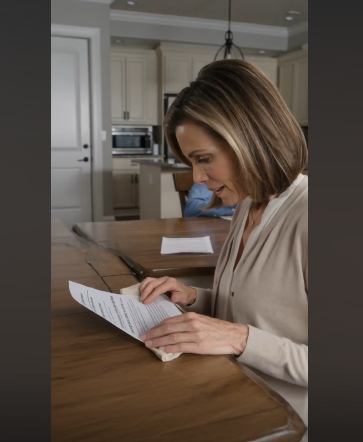
I secretly bought my dream cottage and told no one. Then my neighbor texted, “Someone is at your door.” I checked the security camera and froze—it was my daughter’s entire family, standing there with bags as if they already belonged inside. I didn’t argue or call them first. I simply contacted the proper authorities. They had no idea I had bought that cottage specifically to start a life they couldn’t control…
The Cottage They Thought Was Already Theirs
The notification came at nine o’clock on a Wednesday morning, a single vibration against the hotel nightstand that I nearly ignored.
I was in Cincinnati for a five-day literacy training program I had been looking forward to since January. The night before, I had silenced almost every alert on my phone because I wanted one week in which nothing at home could reach into my pocket and ask something of me. But the screen lit again before I could roll over. Motion detected. Front door. I expected a delivery driver, maybe a deer wandering too close to the porch. Instead, when I opened the live camera feed, my daughter’s silver minivan was sitting in my driveway.
Two other vehicles were parked beside it.
One belonged to my son-in-law.
On another camera, children I did not recognize were running barefoot along my dock. My son-in-law, Trevor, stood beside the grill on the screened porch with a spatula in one hand. A cooler sat open beside him. Music drifted faintly through the outdoor speakers I had installed the summer before. Through the kitchen window, I could see my daughter Megan opening cabinets and taking down my dishes with the casual familiarity of someone moving through her own home.
I sat on the edge of the hotel bed and watched.
Nobody had asked me.
Nobody had permission.
The most unsettling part was not seeing strangers on my property.
It was how comfortable everyone looked.
My name is Evelyn Parker. I was sixty-two that spring, and the gray cottage near Lake Erie was the first significant thing I had ever bought entirely for myself.
That distinction mattered.
My husband, Tom, passed away suddenly when I was forty-seven. Our daughter Megan was nineteen then, halfway through her sophomore year at Ohio State. One week we were worrying about tuition and whether our furnace would survive another winter; the next, I was sitting at a kitchen table covered in condolence cards, insurance forms, bank statements, and a yellow legal pad where I had written numbers I was too frightened to add together.
Tom and I had never been wealthy. We had been ordinary in the way millions of families are ordinary. Mortgage. Two used cars. A retirement account we were proud of but had not funded as consistently as every financial magazine said we should. A boat motor Tom loved more than the boat itself. Camera equipment he had collected over twenty years. A lawn tractor he treated like a family heirloom. We had plans, but most of them began with someday.
His absence turned someday into arithmetic.
The life insurance covered immediate expenses and gave me enough room to breathe, but not enough room to stop working. I had already been with the postal service eleven years, supervising distribution at a regional facility outside Columbus. I kept that job and added Saturday shifts whenever they were offered. For a while, I did data-entry work at night from a folding desk in my bedroom.
I cut cable.
Stopped buying clothes unless something actually wore out.
Sold Tom’s lawn tractor because I could push a smaller mower myself.
Sold the boat motor.
Sold the good camera equipment after leaving it untouched for almost a year because every time I opened the closet and saw those black cases, I felt as if I were stealing from a future we were no longer going to have.
I put sixty dollars a week into a separate savings account.
Sometimes seventy-five.
Sometimes twenty.
Once, during a winter when the furnace needed a repair and Megan’s textbooks cost more than expected, nothing.
But I never closed the account.
That account became a promise no one else knew existed.
Megan never went without what she needed.
I am not saying that as a martyr. I was her mother. That was my responsibility. But she also never knew the full arithmetic because I did not want her carrying the fear I was already carrying. When she called from college worried about rent, I said we were fine. When tuition increased, I said we would manage. When she needed another semester because she changed part of her major, I told her not to panic.
I worked extra hours that Christmas.
Then I worked extra hours the next Christmas too.
By the time Megan graduated, married Trevor, and began building a life of her own, I was fifty-four with a paid-off car, a stable job, a pension getting closer every year, and that little savings account finally becoming something real.
For the first time since Tom died, I allowed myself to imagine retirement as more than simply working less.
I wanted water.
That was the beginning of it.
When I was a girl, my parents rented the same modest cabin near Lake Erie for one week every summer. We were never directly on the lake, but we were close enough to smell it in the mornings. My father would drive us down to the public beach before breakfast, and my mother would complain about sand getting into the car while secretly packing enough towels for everyone in the county.
I remembered cedar.
Screen doors.
The slap of small waves against old wood.
Coffee outside while everyone else slept.
I wanted a small cottage with two bedrooms, a porch, trees, and enough water nearby that silence would have texture.
Not an investment property.
Not a family compound.
Not something impressive.
A place for one person to finally stop running.
I made the mistake of mentioning the idea during dinner at Megan and Trevor’s house.
They had recently had their second child and were living in a three-bedroom home in Westerville. It was perfectly pleasant, though they talked about it as if they were raising children inside a coat closet.
“If you’re buying property anyway,” Megan said, setting down her fork, “you should think about something we can all use.”
I smiled.
“What does that mean?”
“Just something bigger. Maybe enough yard for the kids.”
“I’m thinking about a cottage.”
“Right, but you won’t use it all the time.”
There it was.
Trevor reached for the bread basket.
“You could also keep the money invested and put more toward the kids’ college.”
His voice was casual.
Reasonable.
The kind of tone that makes entitlement sound like financial planning.
“You know,” he continued, “instead of putting a big chunk into a vacation place you might use, what, six weekends a year?”
I looked at Megan.
I expected her to say, It’s Mom’s money.
She did not.
She picked up her fork.
“I mean, he has a point.”
I remember the drive home better than I remember dessert.
The traffic lights along Route 315.
My hands steady on the steering wheel.
The old coffee mug in the cup holder.
Nothing dramatic happened inside me.
A door simply closed.
I decided I would never discuss my retirement savings with them again.
A week later, I called Josephine Reeves.
Josephine and I had known each other for thirty years. We started at the same downtown postal branch when both of us were young enough to complain about standing all day without appreciating that our knees still worked properly. She eventually left the service, got her real estate license, and built a small business around northern Ohio lake properties.
She asked exactly one question.
“What do you need?”
Not:
What does Megan think?
Not:
Is this practical?
Not:
Wouldn’t you rather leave the money to your grandchildren?
What do you need?
“A cottage.”
“How small?”
“Small enough that nobody mistakes it for a resort.”
She laughed.
“Two bedrooms?”
“Yes.”
“Water?”
“Absolutely.”
“Dock?”
“If possible.”
“Fireplace?”
“Yes.”
“Budget?”
I told her.
She whistled softly.
“You’ve been saving.”
“For a while.”
“I’ll find you something.”
The third property she sent stopped me.
Twenty minutes outside the nearest lake town, down a gravel road shaded by mature maples, stood a gray cottage with white trim. The screened porch ran almost the full length of the back. A narrow wooden dock stretched across reeds into open water. The kitchen had been updated sometime in the previous decade. The floors were pine. The smaller bedroom framed the tree line through one rectangular window.
The place smelled like cedar and old books.
Josephine walked room to room discussing roof age, water heater, shoreline maintenance, insulation, and property taxes.
I heard maybe half of it.
I kept standing at windows.
At the end of the showing, we went onto the screened porch.
A pair of ducks drifted past.
Josephine looked at me.
“Well?”
“I’m trying not to cry.”
“Why?”
“Because I think this is it.”
Six weeks later, I signed the papers in her office.
Afterward, Josephine pushed a box of tissues toward me.
“You okay?”
“I didn’t know I was crying.”
“That’s usually how crying works.”
That evening, I drove to the cottage alone.
My key.
My porch.
My chair.
I did not turn on music.
I sat in the dark and listened to water moving beneath the dock.
The quiet did not feel lonely.
That surprised me.
For fifteen years, quiet had usually meant Tom was missing.
That night, quiet meant I had arrived somewhere.
I told very few people.
Josephine knew.
My cousins Barbara and Jean knew because they had walked with me through the years after Tom died without ever treating my grief like something that needed to be fixed.
Megan did not know.
Trevor did not know.
I did not post photographs.
I did not put the address in the family group chat.
I knew property records were public. Anyone determined enough could find it. But I assumed my daughter would respect the fact that I had not volunteered the information.
That assumption lasted less than two months.
I invited Barbara and Jean for a cookout on a Saturday in June.
We grilled chicken.
Made potato salad.
Sat on the dock with our shoes off.
At some point Barbara looked toward the driveway.
“Expecting company?”
“No.”
A silver minivan appeared through the trees.
Megan.
Trevor’s truck followed.
My stomach tightened before either vehicle stopped.
Megan climbed out smiling.
“Surprise.”
The grandchildren ran toward me.
I loved them.
That made everything harder.
“Megan.”
She hugged me.
“This is gorgeous. Why didn’t you tell us?”
“How did you find it?”
She laughed.
“County property records.”
As if searching for an address I had deliberately not shared were an adorable family joke.
Trevor walked around the cottage with his hands in his pockets.
“Nice shoreline.”
“Thank you.”
“These dock posts will need attention.”
“I know.”
“You should probably seal the boards before winter.”
“I know.”
“Who handles the maintenance?”
“I do.”
He nodded in that way of his that made answers sound temporary until he replaced them with his own.
Inside, Megan opened the second bedroom closet.
“This mattress is going to need replacing if the kids stay here.”
I stood in the doorway.
“The kids don’t have a room here.”
She looked at me.
“I know. I’m just saying eventually.”
“Eventually what?”
She smiled.
“Mom, relax.”
That phrase followed me around the house.
Trevor asked where the storage-shed key was.
Megan wanted to know whether the fireplace worked.
Trevor asked Josephine if there was a lockbox code in case “family needed to get in.”
Josephine found me on the porch after they left.
“Trevor asked me for the access code.”
“I know.”
“I told him only you could give it.”
“Thank you.”
She studied my face.
“You look tired.”
“I’m not tired.”
“What are you?”
“Disappointed.”
That night, I changed the lockbox code.
Within two weeks, I had simple security cameras installed at the front door, back porch, and dock. Nothing elaborate. I wanted to know when packages arrived and whether anyone came onto the property while I was away.
Josephine helped me connect the dock camera.
When the final image appeared on my phone, she looked toward the cottage.
“I’m sorry you feel like you need this.”
I shook my head.
“Preparation is just honesty with yourself.”
A month later, Megan came with the children alone.
She called first that time.
We had a good day.
The kids collected smooth stones near the shoreline. Megan and I drank iced tea on the porch. She seemed more like herself.
Before leaving, she asked:
“Do you have an extra key?”
“For what?”
“Emergency.”
“What emergency?”
She laughed.
“Mom.”
I waited.
“If something happened while you were away. A storm. A pipe. Anything.”
That was reasonable.
She was my daughter.
I wanted reasonable to mean safe.
I gave her the spare key.
“Emergency only.”
“Obviously.”
Three weeks later, she returned it.
I had asked because I wanted to give the spare to Josephine instead. She lived closer to the property and checked on lake houses professionally.
Megan placed the key in my palm.
Something felt wrong.
The metal was brighter than I remembered.
The edges around the bow looked too sharp.
I spent most of my adult life around machines, packages, keys, labels, metal carts, scanners, stamps, and things handled by thousands of people. You develop a strange intimacy with wear.
My original key had lived in a kitchen drawer.
The one Megan returned looked newly cut.
I stood at the door after she left, turning it beneath the porch light.
A copy.
Or the original replaced with a copy while she kept another.
I almost called her.
Instead, I heard my own voice constructing excuses.
Maybe I remembered wrong.
Maybe the spare had always been shinier.
Maybe she had damaged it and replaced it.
Maybe.
Love can make intelligent people remarkably committed to weak explanations.
I photographed the key.
Then put it in a small envelope in the cottage file.
I changed the lockbox code again.
I also checked our family calendar app.
I had been using it since the grandchildren were born. Dentist appointments. Birthdays. Family dinners. My volunteer shifts. Megan’s school events for the children.
Every overnight trip I had scheduled was visible.
Cincinnati included.
I stared at the screen for a long time.
Then removed my travel details.
I nearly removed Megan from the calendar altogether.
Nearly.
That word cost me.
I still wanted to believe she would not deliberately wait until I was gone.
Wednesday morning in Cincinnati told me otherwise.
The camera feed ran while I sat on the hotel bed.
Trevor turned burgers on my grill.
Megan walked in and out of my kitchen.
Children ran along my dock.
A man I had never met sat in the porch chair Tom’s brother had helped me restore.
A woman carried towels out of my linen closet.
Another couple unloaded fishing equipment.
I counted eleven people.
Five children.
Six adults.
None invited.
My first instinct was to call Megan.
I opened her contact.
My thumb hovered over the screen.
Then I remembered the copied key.
The calendar.
The county-property search.
The dinner when Trevor suggested my savings would be more useful for someone else’s plans.
I closed her contact.
Instead, I called Josephine.
She answered immediately.
“Evelyn?”
“Are you near Marbury?”
“Twenty minutes.”
“Can you go to the cottage?”
“What happened?”
I sent her a screenshot.
Her silence lasted two seconds.
“Oh.”
“There are eleven people there.”
“Do you know them?”
“Only Megan, Trevor, and the grandchildren.”
“Did you invite them?”
“No.”
Josephine’s voice changed.
“Okay.”
“I don’t want a scene.”
“You won’t have one.”
“I need them told clearly that they do not have permission to be there.”
“I can do that.”
“Bring Greg from Northshore Property Care.”
Greg Martin managed several seasonal homes around the lake. I had hired his company for winter checks and emergencies.
Josephine understood.
“I’ll call him.”
I opened my property folder on the hotel laptop.
Deed.
Closing statement.
Insurance record.
Northshore service agreement.
I emailed Greg a copy of the ownership page and a short written statement:
No person currently at the property has permission to occupy or use it. Please ask all guests to gather their belongings and leave. Please document the condition of the home once they are gone.
No emotion.
No explanation.
The most powerful sentence was also the simplest.
They do not have permission.
Twenty-six minutes later, Josephine’s car appeared on the front camera.
Greg’s service vehicle pulled in behind her.
Trevor saw them first.
I watched him come around the porch.
No sound from that camera angle.
Only body language.
Trevor spread his arms.
Josephine remained still.
Greg held a folder.
Megan came outside.
More talking.
Trevor laughed once.
I recognized the movement because he always tilted his head when he believed someone else’s concern was absurd.
Then Greg handed Megan the document I had sent.
Her posture changed.
She read it.
Looked toward the camera.
For one strange second, it felt as though she were looking directly at me from two hundred miles away.
My phone rang.
Megan.
I let it ring.
Again.
I answered the second time.
“Mom.”
“Yes.”
“What is this?”
“My cottage.”
“You sent strangers to throw us out?”
“I sent my real estate agent and property manager to a property I own.”
“We’re not strangers.”
“I didn’t say you were.”
“This is humiliating.”
“Megan, did I give you permission to be there?”
Silence.
“We thought—”
“Yes or no?”
Her voice lowered.
“No.”
“Did you know I was in Cincinnati?”
Another silence.
“Mom.”
“Did you?”
“I saw it on the calendar.”
There it was.
I closed my eyes.
“Did you make a copy of my key?”
Trevor said something in the background.
Megan moved away from him.
“We were going to talk about that.”
“When?”
“It wasn’t like that.”
“What was it like?”
“I thought it made sense to have one.”
“After I told you emergency only.”
“You gave me the key.”
“To use in an emergency.”
“You’re making this sound worse than it was.”
I looked at the hotel room around me.
Gray carpet.
White duvet.
A stack of literacy-workshop materials on the desk.
For once, I was not inside the family room where Megan could change the emotional temperature until I gave in.
I was two hundred miles away.
Looking at facts.
“You used a copied key to enter my property while you knew I was away.”
“We brought the kids for a lake day.”
“With six adults I don’t know.”
“They’re friends.”
“They are strangers to me.”
“Mom.”
“Please gather your belongings and leave.”
Her voice cracked.
“You’re serious?”
“Yes.”
“You’re making your grandchildren leave?”
“I am asking their parents to take them home.”
“Trevor already bought all the food.”
“That is not relevant.”
“We drove almost three hours.”
“You chose to.”
“Mom, this place is sitting empty most of the time.”
The sentence cooled everything inside me.
It is sitting empty.
As though emptiness were an invitation.
“It is not sitting empty.”
“What does that mean?”
“It means this is where I come to live when I choose.”
“You know what I meant.”
“I do.”
I looked at the camera feed.
Greg stood near the porch steps, waiting.
Josephine had moved to the side of the driveway to give them privacy.
“Megan, you have twenty minutes to collect your things. Give Greg every key you have. You may not return without an invitation from me.”
She started crying.
Not dramatically.
A short, wounded sound.
“Family doesn’t treat family like this.”
I answered before guilt could speak for me.
“Family doesn’t make secret keys and schedule visits for the days the owner is away.”
Silence.
Then she hung up.
For the next seventeen minutes, I watched them pack.
No argument on camera.
No spectacle.
Coolers closed.
Fishing rods carried to vehicles.
Children called back from the dock.
Towels gathered.
One woman returned a stack of plates to my kitchen.
Trevor moved more slowly than everyone else.
Before leaving, Megan stepped onto the porch with Greg.
She reached into her purse.
Something small and silver landed in his open hand.
The key.
He photographed it.
Then placed it inside an envelope.
The vehicles left one by one.
The outdoor speaker went silent.
At 10:03, my driveway was empty.
My cottage looked exactly as it had before.
And completely different.
Josephine called.
“You okay?”
“I don’t know.”
“That’s fair.”
“Is anything damaged?”
“Nothing obvious.”
“Inside?”
“Messy. Not destroyed.”
I closed my eyes.
“Thank you.”
Greg walked through the property while I remained on the phone.
Kitchen dishes used.
Furniture shifted.
Extra bedding removed.
The second bedroom had children’s backpacks on the floor.
There was food in my refrigerator I had not bought.
Someone had put a folding crib beside the dresser.
That detail hurt more than I expected.
They had planned to stay.
Not an afternoon.
At least one night.
Maybe more.
Greg found a printed weekend checklist on the kitchen island.
No private information.
Just names, meals, sleeping arrangements, things to bring.
Saturday breakfast.
Fishing.
Sunday brunch.
My absence had been organized into somebody else’s vacation.
Josephine photographed the paper and left it with the key inside the envelope.
I sat in the hotel room until noon.
Then went downstairs to the literacy program.
I nearly skipped the session.
Instead, I spent three hours helping a sixty-year-old woman named Denise practice reading workplace forms she had avoided for most of her life.
At the end, she read an entire paragraph without stopping.
She looked at me.
“I did it.”
“You did.”
She smiled.
Something about that steadied me.
My family did not get to take this week too.
I completed the training.
Friday evening, I drove north.
The envelope was waiting on my kitchen counter at the cottage.
Inside sat the copied key.
Bright.
Sharp-edged.
Undeniable.
Beside it was the weekend checklist.
I read every line.
Megan and Trevor had assigned themselves my bedroom.
The second bedroom went to another couple.
Children on air mattresses.
A friend on the sofa.
My home had become a floor plan.
I sat at the kitchen table with the copied key in my palm.
For fifteen years, I had saved sixty dollars at a time.
I remembered nights after Tom died when I ate cereal for dinner because I was too tired to cook after a double shift.
I remembered selling his camera lenses to a young man who kept telling me how lucky he was to find them in such good condition.
I remembered Megan’s tuition.
Her wedding.
The check I wrote when she and Trevor bought their first house and needed help with closing costs.
I remembered never regretting any of it.
That was important.
I did not want anger to rewrite my generosity.
I had given because I loved her.
The mistake was thinking previous generosity gave her permanent access to whatever came afterward.
My phone vibrated.
Eleven messages from Megan.
I read none that night.
The next morning, Josephine arrived with blueberry muffins.
She found me on the porch wearing one of Tom’s old sweatshirts.
“You sleep?”
“Eventually.”
She placed the tin on the table.
“I brought butter.”
“That is why you’re my favorite person.”
“Your cousins will be devastated.”
We drank coffee.
The lake was flat.
After twenty minutes, she said:
“What are you going to do?”
“Change the locks.”
“Good.”
“Change every password.”
“Good.”
“Remove the shared calendar.”
“Also good.”
“I’m calling an attorney Monday.”
Josephine looked at me.
“For what?”
“Clarity.”
She nodded.
“That may be the most Evelyn answer possible.”
I smiled.
“I don’t want to punish anyone.”
“I know.”
“I want nobody to ever say again that they misunderstood.”
Monday, I met with a local estate and property attorney named Laura Finch.
I brought the deed, the copied key, screenshots from the cameras, and the weekend checklist.
Laura listened without interrupting.
When I finished, she said:
“You don’t need a dramatic response.”
“Good.”
“You need written boundaries.”
“Exactly.”
We drafted a simple notice.
The cottage was my private residence and personal property.
No one had standing permission to enter.
No key could be duplicated or retained.
Access required my direct invitation.
No guest could invite additional people without asking me.
The statement was not angry.
That made it stronger.
I sent copies to Megan and Trevor.
Then I replaced every exterior lock with a digital keypad.
Josephine received an emergency code.
Greg received a temporary service code that could be changed.
Megan received none.
I changed camera passwords.
Removed the cottage from every shared family app.
Removed travel from the old calendar.
Checked my banking information.
Updated my estate documents so every instruction was explicit.
Not because I wanted Megan to receive nothing someday.
Because someday and today were not the same thing.
Love did not require ambiguity.
Megan’s first messages were angry.
You embarrassed us in front of friends.
The second:
Trevor cannot believe you involved property management instead of just calling.
Then:
The kids keep asking why Grandma made everyone leave.
That one hurt.
I put the phone down.
Three days later:
I know we should have called first.
Then:
I’m sorry about the key, but I really thought it was practical.
Then:
Can we please talk?
I did not answer.
Not yet.
I needed to hear my own thoughts before hearing hers.
Trevor sent one email.
It was longer.
He explained that they had thought the cottage would eventually become “a family place.”
He said they had spent money on groceries and supplies for the weekend.
He said he believed I had overreacted.
Then, halfway down, he wrote something that told me everything:
We assumed since Megan is your only child, there would never really be a distinction between your property and what the family could use.
I read that sentence three times.
Never really be a distinction.
I forwarded it to Laura.
Not because I planned to do anything with it.
Because I wanted the assumption documented.
For the next two months, I did not speak to Megan.
People imagine silence as a dramatic thing.
It usually is not.
It is waking up and making coffee.
Walking down to the dock.
Going to the grocery store.
Watching the phone light up and choosing not to pick it up.
It is missing your daughter while also recognizing that missing someone is not the same as being ready to trust them.
It is loving your grandchildren and refusing to use them as a shortcut around an adult problem.
I did not cut the children off emotionally.
I mailed birthday cards.
Called on their birthdays.
Sent a book to my grandson when he started first grade.
Megan answered the video call once, handed the phone to the kids, then quietly left the room.
Neither of us tried to turn them into messengers.
That may have been the first responsible thing we did after the cottage incident.
July arrived hot.
Josephine and I sat on the porch one morning eating blueberry muffins.
Two loons moved across the water.
She told me they often returned to familiar places year after year.
“Imagine trusting a location that much,” I said.
Josephine smiled.
“You’re getting there.”
“I still look at the driveway every time I hear gravel.”
“That’ll fade.”
“I hope so.”
She sipped coffee.
“You doing okay?”
“I think so.”
“What does okay feel like?”
I looked at the lake.
“No one needing anything from me.”
Josephine laughed.
“That’s worth getting used to.”
I started walking with a Saturday hiking group near the north shore.
Eleven people, mostly retired.
Nobody cared what I had done for work after the first conversation.
Nobody needed a ride.
Nobody needed money.
Nobody asked what my daughter thought about my cottage.
We walked three miles, drank coffee from thermoses, complained about knees, discussed books, birds, weather, restaurants, and which grocery store had the best peaches.
It was the easiest company I had kept in years.
During one walk, a man named Harold asked:
“You live around here full-time?”
“Mostly.”
“Family nearby?”
“Columbus.”
He nodded.
“Visit often?”
“Not right now.”
He did not ask why.
That kindness nearly made me cry.
Four months after Cincinnati, I received a letter from Megan.
Actual paper.
Not a text.
The envelope sat in my mailbox for an entire afternoon before I opened it.
Mom,
I have started this letter six times.
Every version sounded like I was trying to explain myself, and I finally realized that explaining is what I have been doing instead of admitting something simple.
I knew you would probably say no.
That is why I picked the week you were in Cincinnati.
I stopped reading.
My hands went cold.
Not because I was surprised.
Because she had finally named it.
I continued.
I told myself the cottage was going unused. I told myself you would be annoyed but get over it. I told Trevor you always said family should help family, even though I knew that was not the same thing as permission.
The key was my idea.
I copied it the same afternoon you gave it to me.
I said it was for emergencies, but I knew even then I wanted access.
I am ashamed writing that.
I had spent months hoping for an apology.
Now I had one in my hands and discovered apologies can hurt almost as much as the thing they address.
Megan wrote about the dinner years earlier.
Trevor’s comment about college money.
Her silence.
I should have told him it was your money and your retirement. I did not because part of me agreed with him. You had always helped me, so I began treating your future help as something already promised.
Then she wrote the line that changed me.
I confused being your daughter with having a claim on you.
I put the letter down.
Walked to the dock.
Sat there until the sun shifted.
When I returned, I finished.
I am not asking for a key.
I am not asking to bring the kids.
I am not asking you to forgive Trevor.
I am asking whether, when you are ready, I can come alone and talk to you.
If the answer is no, I will respect it.
Love,
Megan
I did not call that day.
Or the next.
On Sunday, I texted one sentence.
You may come Saturday at 11. Come alone. Text when you reach the driveway and wait for me to answer.
Her reply came immediately.
Okay.
No argument.
Saturday morning, I was awake before six.
I cleaned things that were already clean.
Changed the sheets in a bedroom nobody was using.
Made coffee.
Then dumped it out and made another pot because the first had been sitting too long.
At 10:58, my phone buzzed.
I’m here.
I looked through the window.
Her minivan stood at the edge of the gravel turnaround.
Megan remained inside.
Waiting.
That alone almost broke me.
I typed:
Come up.
She got out slowly.
No purse except a small crossbody bag.
No children.
No Trevor.
She walked to the porch steps.
Stopped.
I opened the screen door.
“Hi.”
“Hi, Mom.”
She did not step inside.
I moved back.
“You can come in.”
“Thank you.”
That phrase had once been rare between us.
We sat on the screened porch.
She looked thinner.
Older.
Not dramatically.
Just like someone who had spent four months thinking.
Her eyes moved toward the lake.
“I understand why you bought it.”
I waited.
“It’s peaceful.”
“Yes.”
“I didn’t see that before.”
“You saw what it could do for you.”
She closed her eyes.
“Yes.”
No defense.
Good.
We sat quietly.
Finally she said:
“I was furious at you after Cincinnati.”
“I know.”
“Trevor was worse.”
“I know.”
“He kept saying you made us look ridiculous.”
“You entered my house with a copied key while I was away.”
“I know.”
“That part made you look ridiculous without my help.”
A tiny smile touched her face.
“I deserved that.”
“I’m not trying to be funny.”
“I know.”
Her smile disappeared.
“I need to tell you something about Trevor.”
I tensed.
“He didn’t make me do it.”
I looked at her.
“He liked the idea. He encouraged it. But I’ve spent months blaming his attitude because it was easier than admitting I made the decision.”
She folded her hands.
“I checked your calendar.”
“I know.”
“I picked Wednesday because your training started Monday and I knew you wouldn’t be back until Friday.”
I breathed slowly.
“We planned two nights.”
“The checklist said Sunday brunch.”
Her face reddened.
“You found it.”
“Yes.”
“I made that too.”
“You assigned yourself my bedroom.”
She looked down.
“Yes.”
“Why?”
“I don’t know.”
“Yes, you do.”
She swallowed.
“Because it was the best room.”
The honesty was almost absurd.
I laughed once despite myself.
Megan looked at me.
Then she laughed too.
Not because it was funny.
Because sometimes truth becomes so plain that pretending is impossible.
“You picked my bedroom because it was the best room.”
“Yes.”
“And still thought I was overreacting.”
“For a while.”
“What changed?”
She looked toward the water.
“The key.”
“What about it?”
“After Greg made us leave, he asked me to put every key I had into his hand.”
Her voice softened.
“I pulled that copy out of my purse, and for the first time it looked different.”
“How?”
“Cheap.”
I said nothing.
“It looked like exactly what it was.”
“A copy you didn’t have permission to make.”
“Yes.”
She began crying quietly.
“I kept thinking about Dad.”
My throat tightened.
“What about him?”
“If he had lived and bought himself something after working that hard, I never would have done this.”
That hurt in a new way.
“Why was it different with me?”
“I don’t know.”
“Yes, you do.”
She wiped her face.
“Because you always gave.”
There it was.
“You always made room.”
She continued.
“When I needed tuition, you found it. Wedding money, you found it. When we bought the house, you helped. When the kids came, you rearranged your schedule.”
Her voice cracked.
“I stopped seeing the giving as something you chose.”
I looked at my daughter.
“And started seeing it as what I was for.”
“Yes.”
The lake moved beyond the screen.
A boat crossed far out, quiet at that distance.
I said:
“When your father died, I sold almost everything of his that had resale value.”
Megan stared at me.
“What?”
“The lawn tractor. Boat motor. Camera equipment.”
“You told me you gave the camera stuff to Uncle Ray.”
“I didn’t.”
“Why would you tell me that?”
“Because you were nineteen.”
She covered her mouth.
“I worked Christmas Eve sixteen years because the differential was better.”
“Mom.”
“I put sixty dollars a week away.”
She cried harder.
“That cottage?”
“Started with sixty dollars.”
She looked around.
At the pine floor.
The porch.
The dock.
“This whole time?”
“Yes.”
“I thought your pension paid for everything.”
“My pension helped.”
I looked at her.
“But this place was years of saving in amounts small enough nobody noticed.”
Megan whispered:
“I’m sorry.”
“I know.”
“I don’t deserve for you to say you know.”
“This isn’t about deserving.”
She looked at me.
“I love you.”
“I love you too.”
Her face folded.
“But love is not a key.”
She nodded.
“It is not access.”
“I know.”
“It is not permission to decide that my money will eventually become your children’s college fund.”
She flinched.
“I know.”
“And it is not an ownership interest in a house because you expect to inherit something someday.”
“I know.”
I leaned back.
“Do you?”
She looked directly at me.
“Yes.”
That was the beginning.
Not full forgiveness.
Not restored trust.
A beginning.
Trevor did not come to the cottage for another six months.
That was my choice.
He sent a letter first.
Shorter than Megan’s.
He apologized for treating my retirement like family inventory and for assuming he could decide how a property should be used because he believed it would eventually benefit Megan.
The sentence I respected most was:
I kept calling it a misunderstanding because calling it a decision meant admitting I knew you had not said yes.
I saved the letter.
I did not answer immediately.
Eventually, I agreed to meet Megan and Trevor at a diner halfway between Columbus and the lake.
Neutral ground.
Trevor looked uncomfortable.
Good.
Discomfort is not injury.
Sometimes it is simply the feeling of accountability arriving.
He apologized in person.
No dramatic speech.
No excuses about the children.
No mention of what the groceries had cost.
He offered to reimburse me for Greg’s callout and the lock changes.
I accepted.
That surprised him.
“I thought you might say no.”
“Why?”
“I don’t know.”
“Consequences are clearer when everyone pays their own costs.”
He nodded.
“Fair.”
I did not give them a key.
That was also fair.
The grandchildren returned the following summer.
By invitation.
Megan called two weeks ahead.
“Would you like us to come Saturday?”
Not:
We’re coming.
Would you like us.
I said yes.
They arrived at noon.
Not ten.
Not unannounced.
No extra friends.
Trevor brought burgers and asked before using the grill.
My granddaughter ran toward the dock.
Megan stopped her.
“Wait for Grandma.”
That small sentence nearly undid me.
I walked down with them.
We spent the afternoon swimming, eating watermelon, and laughing at Trevor because he dropped a hot dog into the grill and then insisted it was “strategic.”
At five, Megan began packing.
“You don’t have to rush.”
She looked at me.
“You said dinner, not overnight.”
“I know.”
“I want to keep it that way unless you ask.”
I smiled.
“Thank you.”
No one asked where the spare key was.
No one asked whether they could come next weekend.
At seven, the minivan disappeared down the gravel road.
I stood on the porch listening to the cottage settle back into quiet.
For years, I thought peace meant no one was upset with me.
That definition cost me more than I understood.
Peace is not the absence of somebody else’s disappointment.
Sometimes peace is disappointing people and discovering the sky remains where it was.
Sometimes it is changing the locks.
Sometimes it is saying no without adding a paragraph afterward.
Sometimes it is letting your own daughter sit in her car until you invite her up the driveway.
There are people who believe boundaries with adult children mean something has failed.
I understand that fear.
For a long time, I shared it.
I used to think good motherhood meant being permanently reachable.
Available.
Flexible.
Generous before anyone even had to ask.
I know better now.
Unlimited access is not proof of love.
It is simply unlimited access.
Love requires enough respect that the word no does not destroy the relationship.
The year after Cincinnati, I returned to the literacy program.
Same hotel.
Same nightstand.
Wednesday morning at nine, my phone buzzed.
For one second, my entire body remembered.
I grabbed it.
A camera alert.
Motion at the front door.
My heart raced.
I opened the feed.
Josephine stood on my porch holding a tin of blueberry muffins.
She looked directly into the camera and waved.
I laughed so loudly the woman in the next hotel room probably heard me.
I called her.
“You scared me.”
“Good morning to you too.”
“What are you doing?”
“Leaving muffins.”
“Why?”
“Because I’m a good person.”
“You are a menace.”
“I’m a menace with blueberries.”
She set the tin beside the door.
Then held up both hands dramatically.
“Notice I am not entering the property.”
“Very funny.”
“Notice I do not possess an unauthorized key.”
“Josephine.”
She laughed.
Then softened.
“You okay?”
I looked at the conference materials spread across my bed.
“Yes.”
And I was.
Not because I had forgotten.
Because the alert no longer controlled me.
That autumn, the maples around the cottage turned orange and red.
The lake changed into that particular pewter gray I remembered from childhood.
I sat on the screened porch with my second cup of coffee.
It had gone cold.
Tom used to tease me about that.
He said I could make one cup last until lunch.
I looked toward the dock.
Two loons moved across the water.
Josephine once told me they returned to familiar places.
I liked the idea.
Not that home is a place you never leave.
That home is a place you are allowed to return to because it remains yours.
Megan and I speak every week now.
Not every day.
That is healthier.
She asks before visiting.
I ask before visiting her.
Trevor and I are polite.
Sometimes warm.
Trust rebuilt more slowly with him.
That is fine.
Nobody is owed speed.
The grandchildren know the cottage as Grandma’s lake house.
Not our lake house.
Not the family place.
Grandma’s.
The distinction has not made them love it less.
If anything, they understand invitations better than the adults once did.
Last month, my grandson asked:
“Grandma, can this be mine when you’re really old?”
Megan nearly dropped her iced tea.
“Ethan.”
I laughed.
“What counts as really old?”
He thought carefully.
“Eighty?”
“I’m offended.”
He grinned.
I looked at him.
“Maybe someday something will be yours.”
“The cottage?”
“Maybe.”
His eyes widened.
“But you know what?”
“What?”
“Someday is not today.”
He nodded solemnly.
“Okay.”
Megan looked at me from across the porch.
We both understood.
No tension.
No hidden argument.
Just a sentence.
Someday is not today.
That was the lesson it took our family years to learn.
Inheritance is not present ownership.
Love is not permanent permission.
Generosity is not an advance payment on somebody else’s future.
And a mother does not stop being a full human being simply because her child grows old enough to have children of her own.
I worked twenty-three years at the postal service.
I worked holidays when the extra pay mattered.
I sold pieces of the life Tom and I had built because losing him did not stop bills from arriving.
I protected Megan from knowing how narrow some of those years were because she was young and I wanted her future to feel wide.
Then I saved again.
Sixty dollars.
Seventy-five.
Twenty.
Whatever I could.
That money became pine floors.
A gray cottage.
A narrow dock.
A screened porch.
Blueberry muffins.
Saturday hikes.
Cold coffee.
Loons crossing a quiet lake.
Nobody gave those things to me.
I built them out of years nobody else was counting.
For too long, I believed there would eventually be enough left over for me after everyone else was secure.
That is a dangerous way to live.
There is always another need.
Another tuition payment.
Another birthday.
Another house repair.
Another child.
Another reason to wait.
Someday does not arrive by itself.
You have to claim space for it.
My daughter did not understand that when she made the key.
Maybe I did not fully understand it either.
The day I saw her minivan on my camera, something finally became impossible to ignore.
If I did not treat my own life as belonging to me, other people would continue treating it as available.
So I held the line.
Not perfectly.
Not without grief.
Not without missing her.
But I held it.
And the surprising thing was that our relationship did not end.
The version built on assumption ended.
Something better took its place.
Now Megan knocks.
I answer.
Sometimes I invite her in.
Sometimes I tell her another weekend is better.
Both answers survive.
That is what respect looks like in ordinary life.
The final lock I installed has a keypad.
No physical key to copy.
The code is mine.
Josephine has an emergency code stored separately.
Greg has temporary service access when necessary.
No one else.
People sometimes hear that and think I must still be angry.
I am not.
Locks are not anger.
They are clarity made physical.
Every evening, when I close the screen door and hear the latch settle into place, I feel something I spent most of my adult life chasing.
Not isolation.
Not victory.
Ownership.
Of the cottage.
Of my time.
Of my decisions.
Of the years I have left.
On an October Thursday, almost two years after the Cincinnati alert, I sat on the porch while the maples burned orange around the property.
My phone rested beside me.
No alerts.
No urgent messages.
No family request waiting to become my responsibility.
The lake was still enough to reflect the gray sky.
The loons were far out.
My coffee had gone cold again.
I thought of Tom.
Of Megan at nineteen.
Of myself at forty-seven counting bills at midnight.
Of the woman in Josephine’s office crying because she had finally signed her own name beneath the word buyer.
Of that copied silver key lying on my kitchen table.
Of my daughter waiting in her minivan until I told her she could come up the driveway.
There was no single moment when my life became mine.
It happened in pieces.
A savings deposit.
A deed.
A changed password.
A sentence spoken calmly.
No.
Please leave.
Come Saturday at eleven.
You may come in.
Love you.
See you next week.
Ordinary words.
Ordinary boundaries.
That afternoon, I wrapped both hands around the cold coffee mug and looked across the water.
For most of my life, I had thought peace was something other people allowed you to have once you had taken care of enough of their needs.
I know better now.
Peace is something you protect.
Sometimes gently.
Sometimes with paperwork.
Sometimes with a changed lock.
Sometimes simply by refusing to explain the same boundary twice.
I had wanted that cottage because I thought it would give me quiet.
It gave me something more valuable.
It taught me that I did not need anybody’s permission to inhabit my own life.
And sitting there with the lake beyond the screen and nobody turning into the driveway uninvited, I realized I was no longer waiting for permission at all.
