My daughter had not spoken to me in five years. Then she saw a pho
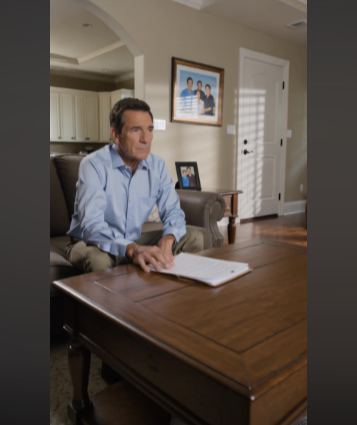
“Come To Dinner With Money,” Said My Daughter, After Years Of Ignoring Me. I Came With A Surprise…
MY DAUGHTER IGNORED ME FOR 5 YEARS. BUT WHEN SHE SAW MY NEW $150,000 MERCEDES ON FACEBOOK, SHE CALLED ME: “I’LL BE WAITING FOR YOU TOMORROW FOR DINNER. BRING $200,000 WITH YOU.” I CAME WITH A SURPRISE! SHE SCREAMED!
My daughter had not spoken to me in five years.
Then she saw my new Mercedes on Facebook.
The next morning, my phone rang.
An unknown number.
I almost ignored it.
Something made me answer.
“Hello?”
A woman said, “This is Cora.”
For a moment, I forgot how to breathe.
Five years.
Five birthdays.
Five Christmases.
Five years of cards returned unopened, messages unanswered, and photographs of my only child aging on social media while I remained outside her life.
And now her voice was in my ear as though we had spoken the week before.
“Cora?”
“I’m having dinner tomorrow at six. You should come.”
My chest tightened.
“It is good to hear your voice.”
“Bring two hundred thousand dollars.”
I thought I had misunderstood.
“Bring what?”
“Two hundred thousand.”
“Cora, what are you talking about?”
“It is not complicated.”
“After five years, you call me and ask for two hundred thousand dollars?”
A pause.
Then:
“Tomorrow. Six o’clock. My address hasn’t changed.”
The line went dead.
I remained at my desk with the phone pressed against my ear long after there was nobody on the other end.
My name is Harley Fields.
I was sixty seven years old when my daughter finally called me again.
And the first thing she wanted from me was money.
I had spent forty three years in construction.
Not glamorous construction.
Commercial renovations.
Small industrial buildings.
Warehouses.
Schools.
Retail centers.
I started with two employees, a borrowed truck, and more confidence than experience.
By the time I retired, Fields Construction had become a respectable regional company with people who had worked beside me for twenty and thirty years.
When I sold the business, newspapers described the sale as being worth a little over two million dollars.
That number caused more damage to my family than the money ever repaired.
People hear two million and imagine two million dollars dropped into your checking account.
They do not imagine taxes.
Company debt.
Employee obligations.
Legal fees.
Retirement commitments.
Sale expenses.
They certainly do not imagine the emotional accounting that comes after.
At the time, I gave Cora and her husband Stewart three hundred thousand dollars.
No loan agreement.
No repayment schedule.
A gift.
They wanted a house.
I wanted to help.
I thought they would be grateful.
Instead, Stewart stood in my living room two months later and said:
“You sold the company for more than two million and gave us three hundred thousand?”
I stared at him.
“That is correct.”
“You kept the rest.”
“Some of it.”
“Why?”
I almost laughed.
“Because it was my company.”
Cora sat beside him.
Silent.
Stewart leaned forward.
“We’re family.”
“I know.”
“Then why would employees and retirement accounts matter more than your own daughter?”
“They don’t.”
“It looks that way.”
I turned to Cora.
“Do you agree with this?”
She looked at me.
There was something cold in her eyes I had never seen before.
She said:
“I think you could have been fairer.”
“Fairer?”
“You always said everything you built was for family.”
“It was.”
“Then why do you need so much money now?”
That question stayed with me for years.
Not because I lacked an answer.
Because it revealed the one she had already chosen.
If I no longer needed every dollar, she believed she should receive it.
I asked them to leave.
They did.
Cora stopped answering my calls.
At first, I assumed she needed time.
Then one birthday passed.
Then Christmas.
Then another year.
I continued sending messages.
“Happy birthday, sweetheart. I hope you’re well.”
“Merry Christmas. Thinking of you.”
“I saw the photograph from your trip. You looked happy.”
“Would love to talk whenever you’re ready.”
Nothing.
Five years of messages going into a silence I kept calling hope.
Then I bought the Mercedes.
It was a ridiculous car.
Beautiful.
Comfortable.
Far more expensive than anything I needed.
I had spent my adult life driving trucks, work vans, and sensible sedans.
At sixty seven, I decided sensible had been sufficiently represented.
The Mercedes cost about one hundred fifty thousand dollars.
I paid for it with money from investments that had done well.
Then, against my better judgment, I posted a photograph.
Silver car in the driveway.
The caption said:
“Treating myself after a good year. Life is short.”
The next morning Cora called.
I opened Facebook after she hung up.
There it was.
Her name among the viewers.
She had looked at the post more than once.
I stared at the screen.
Five years of silence.
Less than twenty four hours after seeing evidence that her father still had money:
“Bring two hundred thousand dollars.”
I leaned back in my chair.
For five years, I had told myself our estrangement was about anger.
Pride.
Stewart.
The company sale.
Old wounds.
Now I had to consider something uglier.
Maybe she had contacted me because I had become financially interesting again.
My first emotion was rage.
My second was grief.
The third was more useful.
Curiosity.
Why two hundred thousand?
Why tomorrow?
What had happened?
Forty three years in construction had taught me not to tear into a wall before understanding what was holding it up.
So instead of calling Cora back, I called Margaret Chen.
Margaret had handled legal work for my company for years.
Contracts.
Property disputes.
The sale itself.
She was practical enough to make emotional people uncomfortable.
I trusted that.
Her assistant fit me in late that afternoon.
Margaret sat across from me with a yellow pad.
“What happened?”
“My daughter called.”
She knew about the estrangement.
“That sounds significant.”
“She wants two hundred thousand dollars.”
Margaret stopped writing.
“That sounds different.”
I told her everything.
The five years.
The Facebook post.
The phone call.
The old dispute over the company sale.
Then I said:
“I want to change my will.”
Margaret did not reach for a form.
Instead she asked:
“Why?”
“Because I don’t want Cora inheriting everything.”
“Why today?”
“Because today I finally understood what I mean to her.”
She watched me.
“That is an emotional conclusion.”
“Yes.”
“Estate planning made at peak anger can become expensive regret.”
“I am not asking you to sign anything tonight.”
That seemed to satisfy her.
“What do you want your estate to accomplish?”
I thought about it.
That question was better than:
“Who do you want to punish?”
“I want enough set aside for my care.”
“Good.”
“I want some charitable giving.”
“To whom?”
“Construction workers and veterans.”
“Why veterans?”
“My father served. Half the best foremen I ever hired were veterans.”
She nodded.
“And Cora?”
I stared at the table.
“I don’t know.”
“That is an acceptable answer.”
I looked up.
“It doesn’t feel acceptable.”
“Most honest answers don’t.”
She closed the pad.
“Do not turn your will into a message you are trying to deliver tomorrow night.”
That irritated me.
“I wanted to bring a copy.”
“I know.”
“How?”
“Because angry clients love props.”
I almost smiled.
Margaret continued.
“Your estate plan is about what happens after your death. Tomorrow’s dinner is about whether you and your daughter can have a relationship while you’re alive.”
That sentence changed the entire evening.
We agreed on something simpler.
I would review my estate plan over the next several weeks.
No theatrical disinheritance.
No document slid across a dinner table.
No legal paper used as punishment.
But Margaret encouraged me to review something else immediately.
My present financial support.
I still paid for a few things connected to Cora.
A small insurance policy I had kept in place years earlier.
A family phone account she had technically never left.
An investment account I had once intended to transfer gradually to her.
Nothing enormous.
But enough to show I had never really stopped waiting.
Margaret said:
“You can keep the door open without leaving your wallet in the doorway.”
I wrote that down.
The next morning, I called my financial adviser.
We separated what was mine from what I had already gifted.
Anything legally belonging to Cora stayed hers.
Obviously.
Anything jointly structured was reviewed carefully.
I did not seize money.
I did not cancel something she depended on overnight.
I simply stopped planning future transfers as though reconciliation were guaranteed.
Then I drove to dinner.
Cora’s house was larger than I expected.
Two story colonial.
Perfect lawn.
New SUV in the driveway.
For people who needed two hundred thousand dollars by tomorrow, they did not appear to be sleeping under a bridge.
The door opened before I knocked.
“Dad.”
Cora smiled.
Too brightly.
For one second I saw the girl she had been.
Gap between her front teeth.
Hair in two uneven braids.
Standing on a kitchen chair helping me make pancakes.
Then the image disappeared.
She hugged me.
Her body was stiff.
“I’m glad you came.”
“So am I.”
Stewart appeared behind her.
“Harley.”
He extended his hand.
I shook it.
“Stewart.”
“Good to see you.”
“Five years.”
He laughed nervously.
“Too long.”
We all pretended that sentence was normal.
The dining table was set beautifully.
Wine.
Candles.
Food from a restaurant transferred into serving dishes.
Nothing wrong with that.
I would rather eat good takeout than bad home cooking.
Still, the whole room felt staged.
Cora poured wine.
“How have you been?”
“Fine.”
“Health good?”
“Very.”
“Investments?”
There it was.
Less than three minutes.
I almost laughed.
“Also fine.”
She smiled.
“I saw the car.”
“I figured.”
“It’s beautiful.”
“Thank you.”
“One hundred fifty thousand?”
“About that.”
Stewart whistled.
“You’ve done well.”
“I’ve been careful.”
Dinner continued.
Weather.
Neighbors.
Stewart’s work.
Cora’s garden.
Nobody mentioned five years of silence.
Eventually Stewart set down his fork.
“Harley, maybe we should explain why we asked you here.”
“That would be useful.”
He looked at Cora.
She nodded.
Stewart said:
“We have an investment opportunity.”
“Of course you do.”
His expression tightened.
“It is legitimate.”
“I didn’t say otherwise.”
He opened a folder.
Residential development.
Land outside the city.
Projected returns.
A partnership.
Several pages of numbers.
Very attractive numbers.
Too attractive.
“What do you need?”
“Two hundred thousand.”
“Cora said that.”
“It gets us into the first capital round.”
“Who is the developer?”
He told me.
“How much debt is on the project?”
He hesitated.
“We’re still finalizing financing.”
“What permits are approved?”
“Most are in process.”
“Environmental review?”
“We’ve been told it will be straightforward.”
“Who told you?”
He stared at me.
I had been doing this longer than he had been alive.
Cora interrupted.
“Dad, you don’t have to interrogate him.”
“I’m not.”
“You are.”
“I’m asking what someone should ask before investing two hundred thousand dollars.”
“This isn’t some stranger pitching you.”
“Exactly.”
I looked at her.
“Which means you should be even more careful about mixing family and money.”
Stewart closed the folder.
“This is not only an investment.”
“What else is it?”
Cora said:
“Our mortgage is behind.”
There it was.
The first true sentence of the evening.
I turned to her.
“How far?”
“Three months.”
“Why?”
Stewart answered.
“A business deal went badly.”
“What deal?”
He looked uncomfortable.
“I invested in a restaurant group.”
“How much?”
“More than we should have.”
“How much?”
Cora whispered:
“One hundred twenty thousand.”
I stared at them.
“And the rest of the two hundred?”
“Credit cards.”
“How much?”
“About forty five.”
“And?”
“Taxes.”
I sat back.
The investment opportunity had disappeared.
This was a bailout.
“Why didn’t you say that on the phone?”
Cora’s eyes hardened.
“Would you have come?”
“Probably.”
“No, you wouldn’t.”
“You didn’t try.”
She looked down.
Then said:
“You always judge.”
That hurt because there was some truth in it.
I had always been the man with questions.
Budgets.
Plans.
Consequences.
But questions were not the same as rejection.
“Cora, you stopped speaking to me for five years.”
“You threw us out.”
“I asked you to leave my house after Stewart told me I owed you half the proceeds from my company.”
“You made us feel like beggars.”
“I gave you three hundred thousand dollars.”
She flinched.
“There it is.”
“What?”
“The number.”
She shook her head.
“You remember every dollar.”
“I remember the amount because it was significant.”
“Normal parents don’t keep score.”
That sounded familiar.
I had heard versions of it before.
I asked:
“Do normal children ignore their parents for five years and then demand two hundred thousand dollars?”
Silence.
Stewart leaned forward.
“Maybe we shouldn’t make this personal.”
I looked at him.
“It became personal around the fifth Christmas card.”
Cora’s eyes filled with tears.
“You think I only called because of the car.”
“Did you?”
“No.”
“Then why now?”
She looked at Stewart.
Then back at me.
“We’re in trouble.”
“That explains needing money.”
She said nothing.
“It doesn’t explain wanting me.”
That landed.
Her face changed.
For the first time, the performance fell away.
“Dad.”
“I need an honest answer.”
She began crying.
“I don’t know.”
That was more painful than a lie.
And more useful.
“I saw the car.”
She wiped her face.
“I thought if you could spend that much on yourself, maybe you could help us.”
“That is honest.”
“I’m sorry.”
“Keep going.”
“I’ve been angry at you for five years.”
“About the company money?”
“At first.”
“And later?”
She looked at her hands.
“It became easier not to call.”
That sentence I understood.
Pride feeds on time.
The longer you avoid someone, the more embarrassing returning becomes.
Until you need two hundred thousand dollars.
Then apparently embarrassment develops flexibility.
Stewart said:
“Harley, whatever happened before, we’re family.”
I turned toward him.
“Family is not a credit facility.”
His mouth tightened.
“We are asking for help.”
“No.”
Both looked at me.
Cora whispered:
“No?”
“No.”
“You haven’t even thought about it.”
“I thought about it before coming.”
Her expression collapsed.
“Dad, we’ll lose the house.”
“Maybe.”
“Maybe?”
“Cora, I am not saying that casually.”
I leaned forward.
“But if you cannot afford this house, losing it may be the consequence of owning a house you cannot currently afford.”
“You could fix it.”
“Yes.”
“Then why won’t you?”
Because I finally understood the question beneath the question.
Not:
“Can Dad help?”
But:
“Will Dad continue making our choices painless?”
I said:
“Because I have spent too much of my life protecting you from consequences you were capable of handling yourself.”
She stared at me.
“So this is revenge.”
“No.”
“It feels like revenge.”
“I understand.”
“You want to teach me a lesson.”
“No.”
I shook my head.
“I am done teaching you with money.”
That silenced all three of us.
Stewart eventually said:
“So what exactly did you bring?”
He glanced toward the leather folder beside my chair.
There it was.
He had been watching it all evening.
I opened the folder.
Not a will.
Not a check.
I removed three things.
A list of financial counseling firms.
Contact information for a bankruptcy and restructuring attorney Margaret had recommended.
And a sheet of paper.
Cora looked at it.
“What is this?”
“My boundaries.”
Her face hardened.
“You made a contract?”
“No.”
“It isn’t legally binding.”
I slid it toward her.
“It is for me, as much as you.”
She read.
I had written:
“I will not give or lend money to repair debts I did not participate in creating.”
“I will not discuss inheritance as though it is already owned by another person.”
“I will not pay for affection, contact, holidays, grandchildren, apologies, or access.”
“I am willing to have a relationship with my daughter that does not depend on money.”
“I am willing to attend counseling together.”
“I will help locate professional financial advice.”
“In a genuine emergency involving health or safety, call me.”
“But I will not provide two hundred thousand dollars.”
Cora finished reading.
Tears were falling again.
“So that’s it?”
“For tonight.”
“You came here to tell me no.”
“I came here because you called.”
“Because you wanted to humiliate us.”
“No.”
I looked around.
“No audience.”
“No social media.”
“No lawyer.”
“No revenge.”
“Just no.”
She stood.
Her chair scraped the floor.
“You have millions.”
“No.”
“Enough.”
“Yes.”
“And you’d let your own daughter lose her house?”
“I would let my adult daughter solve an adult financial crisis with her husband.”
She laughed bitterly.
“Very convenient.”
“It is painful, actually.”
“You don’t look hurt.”
“I learned a long time ago that pain doesn’t need to perform.”
Stewart stood too.
“Harley, if you leave without helping, don’t expect us to come crawling back.”
That sentence might have frightened me five years earlier.
That night it only made me tired.
“I don’t want anyone crawling.”
I stood.
“I want people walking toward me because they want a relationship.”
Cora said:
“And if I never do?”
My throat tightened.
“Then I will grieve you.”
She looked shocked.
I continued.
“But I won’t buy you.”
Then I left.
I drove home slowly.
No victory.
No satisfying phone call to Margaret.
No triumphant music in my head.
Just grief.
When I reached my house, I sat in the Mercedes in the dark.
The car suddenly felt ridiculous.
A machine worth almost as much as the debt my daughter wanted me to erase.
For a moment, I hated it.
Then I realized the car had done nothing.
Money was not the villain.
Neither was wealth.
It had simply revealed something.
Maybe about Cora.
Definitely about me.
I had spent years believing the only way to remain useful as a father was to keep providing.
Even during five years of silence, I had preserved assets mentally for her.
Kept imagined grandchildren in my estate plan.
Maintained a relationship financially that did not exist emotionally.
That needed to change.
Not as punishment.
As reality.
Over the next month, I met with Margaret three times.
We updated my will.
Carefully.
Privately.
I did not disinherit Cora completely.
Not then.
Margaret challenged me on that.
“You said you wanted to.”
“I did.”
“And now?”
“I don’t want my last act toward my daughter to be revenge.”
“Good.”
“But I also don’t want everything I built to pass automatically to someone who believes it is owed.”
We created a different plan.
A significant charitable component.
The Construction Industry Veterans Support Fund received a large percentage.
Another portion went to a scholarship for trades apprentices.
Cora remained a beneficiary of a smaller trust.
Managed independently.
Not payable because she demanded it.
Not controlled by Stewart.
Not accessible during my lifetime.
And not a substitute for a relationship.
Margaret asked:
“Why leave her anything?”
I answered:
“Because I still love her.”
Then:
“Love and trust are different accounts.”
Margaret smiled.
“I may steal that.”
I also made a charitable gift while alive.
Smaller than the original story people later told about me.
One hundred thousand dollars.
Money I could comfortably part with without compromising retirement.
I visited the veterans program before giving it.
Met apprentices.
Electricians.
Carpenters.
A former Army mechanic retraining as a commercial HVAC technician.
I wanted to understand where the money went.
That experience changed something in me.
For years, giving money to Cora had felt like love.
Giving money there felt like purpose.
Different things.
Both legitimate.
Only one had become unhealthy.
I did not post about the donation.
I had learned enough about Facebook.
Three months passed.
Cora did not call.
I sent no birthday style peace offering.
No message saying:
“Still here.”
I had already told her the door was open.
Repeating it endlessly would turn the open door into pressure.
Then one afternoon, an envelope arrived.
Handwritten.
Cora.
Inside was a single page.
“Dad,
We sold the house.
I wanted you to know before you heard from someone else.
We’re renting now.
Stewart hated the idea, but we couldn’t keep up.
We met with the financial counselor from your list.
We have more debt than I realized.
I am angry at you for not helping.
I am also beginning to understand why you didn’t.
I don’t know what happens next.
Cora.”
I read it three times.
Then replied.
Not with money.
A letter.
“Cora,
Thank you for telling me.
Selling a house is not failure.
Facing numbers honestly is difficult.
I am sorry this hurts.
I meant what I said. If you want a relationship with me that is not about money, I am available.
Dad.”
I mailed it.
Two weeks later, she called.
No demand.
No dollar amount.
“Hi.”
“Hi.”
Silence.
Then:
“The counselor says Stewart and I shouldn’t make any new investments for at least a year.”
“Sounds sensible.”
“He hates her.”
“Also sounds sensible.”
Cora laughed.
A tiny laugh.
The first one I had heard from her in five years.
We talked for eleven minutes.
Mostly about nothing.
Weather.
Her job.
My garden.
She did not mention the Mercedes.
I did not mention the two hundred thousand.
That became our first brick.
The second came a month later.
Coffee.
Public place.
One hour.
She arrived early.
That alone almost made me emotional.
We sat.
Cora stirred her coffee for too long.
Then said:
“Why did you keep sending cards?”
“Because I was your father.”
“Even when I ignored you.”
“Especially then.”
She looked at me.
“I thought they were manipulative.”
That surprised me.
“How?”
“Like you were trying to make me feel guilty.”
“I was trying to tell you I loved you.”
“I know that now.”
“What did Stewart think?”
She smiled without humor.
“He threw most of them away.”
I felt anger rise.
Then stopped.
“Did you let him?”
She nodded.
That mattered.
“I did.”
“Why?”
“Because every card made me want to call you.”
“And you didn’t want to?”
“I didn’t want to admit I might have been wrong.”
There it was.
Not greed alone.
Pride.
Marriage.
Money.
Loyalty.
Five years of compounded decisions.
Human things.
Ugly, but human.
Cora said:
“Stewart and I are having problems.”
I stayed quiet.
“He still thinks you should have helped us.”
“Do you?”
She took a long time.
“I think I wanted you to.”
“That isn’t the same question.”
“I know.”
She looked at me.
“No.”
Then:
“I hated you for saying no.”
“I figured.”
“But if you’d given us the money, we’d still be in that house pretending everything was fine.”
That was not why I refused.
I had no right to claim foresight I did not possess.
“I didn’t know that would happen.”
“I know.”
She smiled faintly.
“You’re ruining my attempt to give you credit.”
“I’ve been accused of doing worse.”
We both laughed.
A little more mortar.
Six months after the dinner, Cora separated from Stewart.
Not because I demanded it.
I never once told her to leave him.
Their marriage had its own problems.
Financial secrecy.
Resentment.
Blame.
According to Cora, Stewart believed her father should function as permanent family capital.
Cora had helped create that expectation.
Now she no longer wanted it.
They tried counseling.
Then separated.
I did not celebrate.
Divorce is not a victory because you disliked the son in law.
It is still two people losing a future they once imagined.
Cora moved into a small apartment.
She paid for it herself.
One Saturday she invited me over.
I brought flowers.
Nothing else.
No envelope.
No check.
No hidden assistance arranged behind her back.
She gave me a tour.
One bedroom.
Small kitchen.
Used sofa.
Dining table from a resale shop.
She looked embarrassed.
“I know it’s not much.”
I looked around.
“It’s yours.”
She stared at me.
Then smiled.
“Yeah.”
That evening she cooked pasta.
Burned the garlic.
Overcooked the noodles.
I ate every bite.
At one point she said:
“Do you remember when I was nine and you built me that terrible treehouse?”
“Terrible?”
“It leaned.”
“It settled.”
“It leaned.”
“Engineering feature.”
She laughed.
A real one this time.
And suddenly I was looking at my daughter again.
Not the stranger from the phone.
Not the woman who demanded two hundred thousand dollars.
My daughter.
Damaged relationship.
Complicated woman.
Still my daughter.
A year after the Mercedes phone call, Cora asked about my estate plan.
We were walking in the park.
The question made both of us stop.
She immediately raised her hands.
“Not like that.”
I waited.
“I don’t want to know numbers.”
“Okay.”
“I’ve been thinking about what you said. About inheritance being treated like something already owned.”
I nodded.
“I did that.”
“Yes.”
“I think it came from watching Stewart count everything.”
She corrected herself.
“No. That’s too easy.”
I looked at her.
“I counted too.”
That mattered.
Then she asked:
“Am I still in your will?”
Honest question.
I gave her an honest answer.
“Yes.”
She blinked.
“But differently.”
“Meaning?”
“Meaning my estate reflects more than one value now.”
“Charity.”
“Yes.”
“The veterans fund?”
“Yes.”
“And me?”
“Some.”
She looked away.
I added:
“You don’t need to earn an inheritance by performing daughterhood.”
Her eyes filled.
“And you don’t get to demand one by being my daughter.”
She nodded.
“Fair.”
“Good.”
Then she surprised me.
“Leave more to the veterans.”
I studied her.
“You don’t have to say that.”
“I know.”
“Is this guilt?”
“Maybe a little.”
She smiled.
“But mostly I think I finally understand that your money is your life converted into numbers.”
That sentence stayed with me.
Forty three years.
Early mornings.
Bad knees.
Payroll stress.
Layoffs I hated making.
Employees’ weddings.
Job site injuries.
Recessions.
My money was not only money.
It was time.
Risk.
Work.
So was everyone else’s.
That was what entitlement erased.
Three years later, the Mercedes still sat in my garage.
It had a scratch on the passenger door.
Cora made it.
She borrowed the car to take me to a medical appointment after I had cataract surgery.
When she backed into my trash can, she came inside pale.
“Dad.”
“What?”
“I damaged the Mercedes.”
I looked at the scrape.
Then at her.
Five years earlier, she had seen that car and calculated what I could give her.
Now she looked ready to cry because she had damaged something of mine.
“Insurance.”
“You aren’t mad?”
“I survived construction crews.”
I shrugged.
“A trash can is not going to finish me.”
She laughed.
Then hugged me.
No money mentioned.
That became one of my favorite memories.
Not because the relationship became perfect.
It did not.
Sometimes Cora still became defensive when we discussed the past.
Sometimes I became too quick to suspect financial motives.
Trust repairs slowly.
A person can change and still trigger memories of who they were.
A parent can forgive and still need boundaries.
Both are normal.
Stewart eventually remarried.
Cora eventually dated again.
I asked fewer questions than I wanted to.
Progress.
She once said:
“You know, Dad, I used to think your questions were judgment.”
“Sometimes they were.”
She laughed.
“Thank you for admitting that.”
“Age brings honesty because there is less time to maintain branding.”
She rolled her eyes.
Definitely my daughter.
I also stopped measuring fatherhood in payments.
For most of my adult life, money had been the easiest form of care.
Tuition could be wired.
Cars could be purchased.
Rent could be automated.
Love that requires listening is harder.
Love that allows someone to struggle is harder still.
When Cora called years earlier and demanded two hundred thousand dollars, my first instinct was to punish her.
Rewrite the will.
Put documents on the table.
Show her exactly what she had lost.
I am grateful Margaret stopped me.
Because if I had turned my estate plan into a weapon that night, I might have won the argument and permanently lost my daughter.
Instead, I brought a different surprise.
“No.”
A small word.
Two letters.
It changed both our lives more than two hundred thousand dollars ever could.
“No” forced Cora to examine her finances.
“No” forced me to examine the way I used money to keep people close.
“No” did not repair us.
It simply stopped making the old relationship easier to continue.
The repair came afterward.
One phone call.
One coffee.
One honest sentence.
One burned dinner.
One scratch on a car.
One boundary kept long enough that both people learned it was real.
Today, my will is still private.
Cora does not know the numbers.
She no longer asks.
She knows enough.
Some will go to her.
Some will go to people I will never meet.
Some will help veterans learn trades.
Some will support apprentices entering construction without family money behind them.
And while I am alive, I intend to spend some of it on myself.
Cora encouraged that.
Last year she said:
“Take a trip.”
“I’ve traveled.”
“Not for work.”
“I don’t like airports.”
“Drive.”
“Where?”
She shrugged.
“You’re the retired millionaire with the ridiculous Mercedes. Figure it out.”
So I did.
I drove south.
No schedule.
No construction plans.
No spreadsheets.
Cora called on the third day.
“Where are you?”
“Virginia.”
“Doing what?”
“Nothing.”
She laughed.
“Good.”
Then:
“Call me when you get wherever you’re going.”
I smiled.
“I will.”
That conversation lasted less than two minutes.
No request.
No guilt.
No money.
Just a daughter wanting to know where her father was.
Five years earlier, I would have paid almost anything for that call.
Now it was free.
Which made it worth more than all the others.
