My daughter placed a folder on my kitchen table and said, “We need
My Daughter Demanded That I Pay Her Husband’s Debt. So I Disappeared Without Warning…
“I NEED THE MONEY TOMORROW!” MY DAUGHTER ORDERED ME, HANDING ME HER HUSBAND’S DEBT OF $500,000. “AND NO DELAYS!” HER HUSBAND ADDED. I SMILED AND SAID, “OKAY.” FOUR HOURS LATER, I WAS AT THE AIRPORT. WHEN THEY CAME TO MY HOUSE FOR THE MONEY, THEY FOUND ONLY A CLOSED DOOR AND A BOX, WHICH THEY OPENED AND STARTED SCREAMING!
“I need the money by noon tomorrow.”
My daughter said it as if she were reminding me about a dentist appointment.
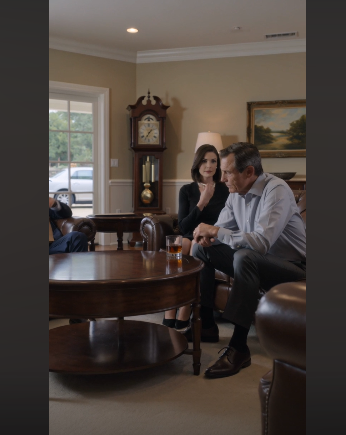
Then her husband leaned back in my leather chair, poured himself another glass of my Scotch without asking, and added:
“And don’t be late.”
I looked at both of them.
Then I smiled.
“Okay.”
Four hours later, I was changing my flight to Costa Rica.
By the time they came back expecting half a million dollars, my house was locked, my accounts were secured, and the only thing waiting for them was a letter explaining that the Bank of Dad had permanently closed.
My name is Robert Mitchell.
I was sixty-two when I finally learned that saying no to your child is sometimes more loving than rescuing her again.
Emily was thirty-five then.
My only daughter.
The little girl who used to fall asleep against my chest during thunderstorms had become a woman who rang my doorbell differently depending on what she wanted.
One ring meant she was visiting.
Two meant she was in a hurry.
Three hard presses meant money.
That night, the bell rang three times.
I was in my study reviewing quarterly reports from the dealership group I still partly owned.
Outside the window, I saw Emily and Brandon’s white Tesla in the driveway.
I already knew.
I just did not know how much.
When I opened the door, Emily threw her arms around me.
“Daddy.”
The hug lasted a little too long.
Not affection.
Preparation.
Brandon walked past me without waiting to be invited.
He headed directly for my favorite chair.
“Evening, Rob.”
Not Robert.
Not Mr. Mitchell.
Rob.
He pulled a folder from his bag and spread papers across my coffee table.
Emily sat opposite him.
Her fingers found the pearl necklace I had given her for her thirtieth birthday.
She always touched those pearls when she was nervous.
Or lying.
I poured myself bourbon.
“What’s happened?”
Emily glanced at Brandon.
He answered.
“We have a situation.”
“What kind?”
“A financial one.”
I sat.
“What happened to the investment property?”
Brandon’s expression hardened.
“That isn’t relevant.”
“It was relevant when I put money into it.”
“Markets move.”
“How much did you lose?”
Emily interrupted.
“Dad, please. We didn’t come here to fight.”
“Then why did you come?”
Her fingers turned the pearls again.
“Brandon has another opportunity.”
I looked at him.
He looked at me.
“How much?”
Neither answered immediately.
That told me enough.
“How much?”
Brandon finally said:
“Five hundred thousand.”
I thought I had misheard.
“Five hundred thousand dollars?”
“We need it available tomorrow.”
“What for?”
“Investment capital.”
“What investment?”
“Tech.”
Emily quickly added:
“Real estate.”
They looked at each other.
I almost laughed.
“Which one?”
Brandon frowned.
“It has multiple components.”
“Meaning?”
He stood.
“Meaning it’s complicated, Rob.”
“Try me.”
He did not.
Instead, he walked to my bar and poured himself three fingers of Scotch that cost more per bottle than my first monthly mortgage payment.
“These aren’t normal lenders we’re dealing with.”
I looked at him.
“What does that mean?”
“It means the deadline is real.”
“Who do you owe?”
Emily said:
“Daddy, don’t make this harder.”
“Who do you owe?”
Brandon turned.
“Serious people.”
That phrase settled over the room.
Not bankers.
Not investors.
Serious people.
I put down my bourbon.
“Are you threatening me in my own house?”
“No one’s threatening anyone.”
His voice said otherwise.
Emily leaned toward me.
“Please. You have the money.”
That sentence hurt more than Brandon’s tone.
Not:
Can you help?
Not:
We made a terrible mistake.
Just:
You have it.
As though that ended the discussion.
I asked:
“What happened to the money I gave you last year?”
Silence.
“The two hundred thousand?”
Brandon looked away.
“That went into another venture.”
“The cryptocurrency one?”
“It wasn’t just crypto.”
“How much is left?”
Emily whispered:
“None.”
I closed my eyes.
The history came back in numbers.
Their wedding.
The down payment on their house.
Private school tuition for Sophie and Max.
Brandon’s first startup.
Second startup.
Third startup.
A loan after the crypto losses.
A new car when Emily said the old one was embarrassing at school pickup.
Every transfer had arrived wrapped in a different explanation.
“Just this once.”
“Temporary.”
“We’ll pay you back.”
“For the children.”
“This could change everything.”
It always changed something.
Mostly the amount they believed I would give next time.
Emily said:
“If Mom were still here, she’d be ashamed of you.”
My eyes opened.
Margaret was not dead.
We had been divorced ten years.
She lived in Houston with her second husband and was perfectly capable of answering a telephone.
Emily knew exactly why she invoked her mother.
Because guilt had always worked better on me than anger.
I said:
“Your mother would tell you to get jobs.”
Brandon laughed.
“I’m an entrepreneur.”
“You’ve had three failed companies in five years.”
“Failure is part of innovation.”
“So is learning.”
His face tightened.
Emily stood.
“You’ve missed Sophie’s recital. Max’s soccer tournament. You’re always working.”
I stared at her.
My money was apparently allowed to attend events I missed.
I said:
“What exactly happens at noon tomorrow?”
Brandon answered:
“We need to make a payment.”
“To whom?”
He did not answer.
“What happens if you don’t?”
Emily’s face changed.
That was the first real fear I saw all evening.
She said:
“We could lose everything.”
“What is everything?”
“The house.”
“Anything else?”
Silence.
“Emily.”
She looked at the floor.
“Maybe more.”
I leaned back.
My anger began cooling into something more useful.
Clarity.
“How much debt do you actually have?”
Brandon snapped:
“That isn’t your business.”
“You are asking me for half a million dollars.”
I looked directly at him.
“You just made it my business.”
He took a step toward me.
“Five hundred thousand is nothing to you.”
There it was.
The sentence I had been avoiding for years.
Not nothing objectively.
Nothing to me.
My work had made money feel weightless to people who had never earned it.
Emily reached for my hand.
“Daddy.”
I pulled mine away.
She looked wounded.
“We need it tomorrow.”
The grandfather clock chimed nine.
I looked at the two people standing in my living room.
One was my daughter.
The other was the man she had chosen.
Both expected me to solve something they still refused to explain honestly.
I said:
“Fine.”
Emily exhaled.
Brandon smiled.
“Tomorrow?”
“Tomorrow.”
Emily rushed toward me for another hug.
I stepped aside.
“Now leave.”
She stopped.
“Dad?”
“I’m tired.”
Brandon extended his hand.
“I knew you’d understand.”
I did not shake it.
They left five minutes later.
Emily called from the doorway:
“Family first, Daddy.”
I watched the Tesla disappear down the street.
Then I locked the door.
I waited until I could no longer see their taillights.
Then I called James Walker.
James had been my attorney for twenty-five years.
He answered on the second ring.
“Robert?”
“I need you tonight.”
A pause.
“What happened?”
“Emily and Brandon just demanded five hundred thousand dollars by noon tomorrow.”
James sighed.
“So we finally got there.”
“You don’t sound surprised.”
“You’ve given them close to a million dollars over the years.”
“I know.”
“Every time you say it’s the last time.”
“I know.”
“And every time they discover the last time was negotiable.”
I walked into my study.
“I told them okay.”
“You did what?”
“I said okay.”
James was silent.
Then:
“Please tell me you are not wiring half a million dollars tomorrow.”
“No.”
“Good.”
“I want to secure everything that is legally mine.”
His tone changed immediately.
“That we can do.”
We spent the next hour separating facts from anger.
The house Emily lived in was hers.
I had helped with the down payment, but the title was in Emily and Brandon’s names.
I could not simply take it back.
Good.
I did not want a lawyer inventing magical ownership because I was furious.
The cars were theirs.
Their personal accounts were theirs.
Anything I had already gifted was gone.
Also good.
A gift stops being yours when you give it.
What remained under my control was future support.
The private school tuition I paid directly.
A family credit card on which Emily was an authorized user.
An investment account I had earmarked for her but never transferred.
Several informal promises.
And my estate plan.
James said:
“First rule, don’t punish the grandchildren.”
“I wasn’t planning to.”
“Tuition?”
“Keep paying through the end of the school year.”
“Good.”
“Health insurance?”
“They have their own.”
“Good.”
“The credit card?”
I thought about it.
“Cancel her authorized-user status.”
“She may have recurring charges.”
“Give her thirty days’ notice.”
“Better.”
“And the five hundred thousand?”
“No.”
James laughed quietly.
“Finally.”
I did not.
It did not feel like winning.
It felt like admitting how long I had helped create the problem.
Then James asked:
“What about the estate?”
“Not tonight.”
He went silent again.
“That’s the smartest thing you’ve said.”
“I want to review it.”
“Fine.”
“But not while I’m angry.”
“Very fine.”
I told him about the Costa Rica trip.
I had booked it months earlier.
A month in Guanacaste.
Part vacation, part trial retirement.
My original flight was later in the week.
“Move it up,” James said.
“You think I’m running?”
“No.”
“I think if Brandon is talking about ‘serious people,’ you should not be sitting alone in a house full of assumptions about your money.”
That was fair.
I changed the flight to 6:45 the next morning.
Then I called Margaret.
My ex-wife answered immediately.
“James called me.”
“Of course he did.”
“Emily came for money?”
“Five hundred thousand.”
Margaret was quiet.
Then:
“Brandon.”
“Mostly.”
“No.”
Her voice hardened.
“Emily too.”
That hurt because she was right.
I wanted Brandon to be the villain.
It would have been easier.
Our daughter had agency.
She had used it badly.
Margaret asked:
“What are you going to do?”
“Go to Costa Rica.”
“Good.”
“That’s it?”
“What do you want me to say, Robert? Burn their house down?”
“No.”
“Take back gifts you’ve already given?”
“No.”
“Destroy them publicly?”
“No.”
“Then go.”
She paused.
“Stop rescuing her.”
I sat at my desk.
“What if she loses everything?”
“Then she loses everything she cannot afford.”
“She’s our daughter.”
“Yes.”
“Which is why we should have let her fail at smaller things twenty years ago.”
That sentence stayed with me.
I packed two suitcases.
Nothing dramatic.
Shirts.
Shorts.
Medication.
Laptop.
Passport.
A photograph of Sophie and Max fishing with me.
I left everything else.
No ominous box on the porch.
No secret documents designed to humiliate my daughter.
No cameras positioned to capture her reaction.
I had spent enough years turning money into theater.
This time, I wanted something quieter.
I wrote one letter.
“Emily,
You asked me for $500,000 by noon.
My answer is no.
I said okay last night because I needed the conversation to end before anger made the decision for me.
I love you.
I love Sophie and Max.
Their school tuition remains paid through this academic year.
Everything I have already legally given you remains yours.
I will not take back gifts.
I will not interfere with your property.
But I will no longer pay your debts, finance Brandon’s ventures, or rescue either of you from financial decisions you made without me.
If anyone is threatening you physically, call the police.
If these are legitimate debts, get a lawyer and financial adviser.
James Walker can refer you to both, but he will not represent you using my money.
I am leaving town for the trip I already planned.
Do not interpret my absence as an invitation to search for me.
When you are ready to speak to me without asking for money, I will listen.
Dad.”
I left the letter inside the house.
James arranged for a courier to deliver it at noon.
Then I went to the airport.
My phone started ringing before I reached security.
Emily.
Then Brandon.
Then Emily again.
I did not answer.
I sent one text.
“Read the letter at noon.”
Then I turned the phone to silent.
At 7:02, the plane lifted above Austin.
I looked down at the city where I had spent most of my adult life.
The dealerships.
My house.
Emily’s neighborhood.
Everything became geometry.
Roads.
Roofs.
Parking lots.
For decades, I had treated every problem below as something I was responsible for fixing.
For the first time, I was leaving one unfixed.
It terrified me.
It also felt necessary.
At noon, somewhere over Central America, Emily read the letter.
I know because the messages began landing the moment we touched down.
“Dad, call me.”
“This isn’t funny.”
“You don’t understand what’s happening.”
“Brandon says these people will come after us.”
“How can you do this to your grandchildren?”
Then:
“I hate you.”
I read that one twice.
I did not respond.
An hour later:
“I’m sorry.”
Then:
“Please.”
That was harder.
I called James instead.
“Has anyone contacted you?”
“Brandon.”
“What did he say?”
“Mostly things he should not say to a lawyer.”
“Threats?”
“Not against you. Panic.”
“What did you learn?”
James paused.
“Enough to recommend Emily obtain independent counsel immediately.”
“Why?”
“It isn’t an investment debt.”
I sat down on the balcony of the condo I had rented.
The Pacific spread beyond the trees.
“What is it?”
“Gambling appears to be involved.”
I closed my eyes.
Of course.
“How much?”
“We don’t know yet.”
“And the five hundred thousand?”
“Likely enough to stop immediate collection pressure.”
“Legal lenders?”
“Some legitimate.”
“Some?”
“Some unclear.”
That was all I needed.
“Tell Emily to hire her own attorney.”
“I already did.”
“Don’t give her money.”
“Robert.”
“I know.”
He sounded tired.
“I’m your lawyer, not your dealer.”
I almost smiled.
The next few days were ugly.
Emily called constantly.
Sometimes angry.
Sometimes crying.
Sometimes bargaining.
“If you give us half, we’ll handle the rest.”
“Just cover the school tuition and mortgage for six months.”
“We’ll sign a repayment agreement.”
“Brandon has a new investor coming in.”
Every sentence contained a solution that involved my money.
I answered only once.
“Dad, please.”
“Have you hired a lawyer?”
“Yes.”
“And a financial adviser?”
“Her name is Karen.”
“Good.”
“She says we may need to sell the house.”
“Then listen to her.”
“You could stop that.”
“Yes.”
Silence.
Then:
“And you won’t.”
“No.”
She began crying.
“Why?”
I stood at the edge of the balcony.
Because I had asked myself that question too.
“Because if I save the house, I save the decisions that made it unaffordable.”
“That’s easy for you to say.”
“No.”
My voice broke.
“It is incredibly hard for me to say.”
She hung up.
Margaret arrived in Costa Rica three days later.
Not as some secret partner in revenge.
She had booked her own trip after hearing what happened.
We had been divorced a decade.
There was no romance left.
There was history.
Sometimes that is enough.
She sat across from me at breakfast and said:
“Emily called me.”
“What did you tell her?”
“The same thing you did.”
“She asked you for money?”
“Of course.”
“How much?”
“Two hundred thousand.”
I laughed despite myself.
“Discount.”
Margaret smiled.
Then her face became serious.
“She didn’t know about the gambling.”
“Neither did I.”
“Brandon hid it.”
“That doesn’t make her innocent of everything.”
“I know.”
“But it makes the situation different.”
“Yes.”
That was important.
Cora from the previous chapter of my life existed only in my imagination.
Emily was not simply a greedy daughter standing beside a parasite.
She was also a woman who had allowed herself to become financially dependent, then discovered her husband had built a second life inside their shared accounts.
Two truths.
She had manipulated me.
She had also been deceived.
Understanding one did not erase the other.
Within two weeks, Emily filed for separation.
Not because I demanded it.
Her lawyer uncovered debts she had never seen.
Cash advances.
Credit cards.
Private loans.
Gambling losses.
A failed crypto account Brandon had described as “consulting expenses.”
The total was ugly.
Less than the half million they had demanded, but close enough that the number finally made sense.
The house was heavily mortgaged.
Their lifestyle had been funded partly by income, partly by debt, and partly by me.
Without my money filling gaps, reality arrived very quickly.
Emily called one evening.
Her voice was different.
Flat.
Exhausted.
“Brandon left.”
I sat up.
“Where?”
“I don’t know.”
“Are you safe?”
“Yes.”
“The children?”
“With me.”
“Good.”
“His lawyer emailed mine.”
She paused.
“He says the debts are marital.”
“Some may be.”
“Even the gambling?”
“Ask your lawyer.”
“I did.”
Her breathing shook.
“Dad, I don’t know how I let this happen.”
I wanted to say:
I do.
Instead:
“What are you doing tomorrow?”
“What?”
“Tomorrow.”
“I have an appointment with Karen.”
“Good.”
“Then I’m meeting a real estate agent.”
That was the first time I heard acceptance.
Not panic.
Not bargaining.
Acceptance.
The house went on the market.
They sold it.
There was little equity left after mortgages and transaction costs.
Emily moved with Sophie and Max into a smaller rental.
Not a studio above a taco shop.
Not instant poverty designed as punishment.
A normal two bedroom apartment she could afford on a realistic budget.
She returned to work.
That mattered.
Before the children, Emily had worked in marketing.
Then Brandon’s income increased.
Then she quit.
At the time, she called it freedom.
Years later, she discovered that financial dependence had a price.
Her first job back was not glamorous.
Account coordinator for a local firm.
She earned less than she had expected.
The first month she called me and said:
“I had no idea health insurance cost this much.”
I laughed.
She did too.
Then she said:
“Don’t offer.”
“Offer what?”
“Money.”
“I wasn’t going to.”
“You were thinking it.”
“Maybe.”
“Don’t.”
Progress.
I remained in Costa Rica for six weeks.
I slept better.
My blood pressure improved.
I read books that had nothing to do with dealerships.
Walked every morning.
Helped a local nonprofit replace shelving in a small school library because apparently forty years around construction makes retirement impossible unless someone hands you a drill.
Margaret painted.
Badly.
We laughed about it.
For the first time since our divorce, we became friends.
Not remarried.
Not secretly destined for one another.
Friends.
People who had shared a daughter and enough mistakes to recognize their own fingerprints on the problem.
One afternoon Margaret said:
“We spoiled her.”
“Yes.”
“You more.”
“Thank you.”
“I’m serious.”
“I know.”
“You fixed everything.”
“I wanted her life to be easier.”
“So did I.”
She looked toward the ocean.
“We forgot that competence requires inconvenience.”
I wrote that sentence down later.
Emily’s calls became less frequent.
But better.
No requests.
Updates.
“Sophie made the soccer team.”
“Max needs braces.”
“I had a good review at work.”
“I cooked dinner five nights this week.”
Once:
“I saved eight hundred dollars.”
I almost said I was proud.
Then stopped.
Not because I was not.
Because I wanted to understand what she wanted from me.
So I asked:
“How does that feel?”
She laughed.
“Like I discovered fire.”
“Good.”
Then:
“I’m proud of myself.”
Better.
In May, I returned to Austin.
I did not surprise her at work.
I did not secretly observe her to see whether she had changed.
That would have turned her life into another test she had not agreed to take.
I called.
“I’m back.”
Silence.
Then:
“Do you want to have dinner?”
“Yes.”
“At my place.”
“Okay.”
“It’s small.”
“So?”
“I don’t know.”
She laughed nervously.
“I guess I’m still embarrassed.”
“Emily.”
“What?”
“I drove a used pickup for twenty years.”
“You also owned five dealerships.”
“Details.”
Her apartment was clean.
Modest.
Children’s shoes by the door.
School papers on the refrigerator.
A sofa that looked comfortable rather than impressive.
Emily wore jeans and an old UT shirt.
No pearls.
No designer bag.
She hugged me at the door.
A real hug.
I knew because she let go first.
We ate pasta.
Halfway through dinner, she said:
“I hated you.”
“I know.”
“I told the kids you abandoned us.”
That hurt.
“What do they believe now?”
“I told them the truth.”
“What truth?”
“That Grandpa stopped paying our bills because Mom and Dad made financial mistakes.”
I nodded.
“And that Dad left because he had problems he wasn’t dealing with.”
“Good.”
“And that none of it was their fault.”
“Very good.”
She looked at me.
“Are you angry?”
“At which part?”
“All of it.”
“Yes.”
She nodded.
“Fair.”
That was new.
Old Emily would have argued.
She said:
“I was awful that night.”
“Yes.”
“I came to your house with Brandon and demanded half a million dollars.”
“Yes.”
“I used Mom against you.”
“Yes.”
“I knew he was threatening you.”
I looked up.
That one mattered.
“You knew?”
“I knew what he was implying.”
“And you let him?”
She started crying.
“Yes.”
I said nothing.
“I’m sorry.”
I did not say it was okay.
Some apologies deserve a response other than immediate absolution.
Eventually I said:
“Thank you for saying it.”
She wiped her face.
“Do you forgive me?”
“Parts.”
That surprised her.
“Parts?”
“I forgive the panic.”
“The fear.”
“The stupidity.”
I looked at her.
“I’m still working on the disrespect.”
She nodded.
“I can live with that.”
“Good.”
Then she said something I did not expect.
“I don’t want your money.”
I smiled slightly.
“You may want to phrase that more carefully around birthdays.”
She laughed through tears.
“I mean I don’t want money to be how we do this anymore.”
“Neither do I.”
“What happens with school?”
I knew she meant Sophie and Max.
“I committed through this academic year.”
“I know.”
“After that, you decide whether private school fits your budget.”
She swallowed.
“That’s going to be hard.”
“Yes.”
“They may have to change schools.”
“Maybe.”
“You won’t step in?”
“Not automatically.”
She breathed deeply.
“Okay.”
Another brick.
A month later, Emily invited me to Sophie’s recital.
She sent a text.
“Sophie plays at seven Friday. She wants Grandpa there. No money required.”
I stared at the last sentence.
Then laughed so loudly the woman beside me at the grocery store looked concerned.
I went.
Sophie played badly.
She was nine.
It was perfect.
Afterward, Emily did not ask me to buy dinner.
She said:
“We’re going to tacos if you want to come.”
“I do.”
She paid for hers.
I paid for mine.
The world continued rotating.
Brandon eventually surfaced through his lawyer.
He had not been kidnapped.
He had not disappeared under a fake identity.
He had gone to stay with his brother in Dallas while his attorneys negotiated with creditors.
Much less cinematic.
Much more believable.
The divorce became ugly.
Financial disclosure exposed debts.
Some were marital.
Some were his separate obligations.
Some required negotiation.
Emily did not emerge untouched.
She had signed documents without reading them.
Enjoyed a lifestyle partially funded by borrowed money.
Ignored warning signs because the lifestyle benefited her.
She had to accept that.
Brandon also had to accept that marriage did not make Emily automatically responsible for every undisclosed gambling debt he created.
Lawyers handled it.
Months passed.
Eventually a settlement was reached.
Neither side felt victorious.
That is usually a sign a settlement is real.
I revised my estate plan almost a year after the night they demanded five hundred thousand dollars.
Not the next morning.
Not in rage.
Margaret knew.
Emily did not.
James asked:
“What do you want now?”
“I want the grandchildren protected.”
“Trusts?”
“Independent trustee.”
“Good.”
“Education, health, reasonable support.”
“Good.”
“And Emily?”
I thought about the year.
Her job.
The apartment.
The apologies.
The way she had stopped asking what things cost before asking how I was doing.
“She remains in it.”
James raised an eyebrow.
“Changed your mind?”
“No.”
I smiled.
“I changed the reason.”
“What does that mean?”
“Before, she inherited because she was my daughter.”
“And now?”
“She inherits something because I love her.”
I paused.
“But not everything, and not without structure.”
A significant portion of my estate would support vocational education.
Construction apprenticeships.
Veterans entering trades.
Scholarships for people willing to build something themselves.
Emily’s share would be meaningful.
Not enormous.
Not punishment.
Not a prize.
The grandchildren had separate trusts.
The rest remained mine to use while I was alive.
That last part took me longest to learn.
I had spent decades building wealth for a future generation.
Then one day I realized I was still alive.
So I started using some of it.
Travel.
A small fishing boat.
Donations.
A woodworking shop behind my house.
Nothing dramatic.
I kept the dealerships because I liked the business and Jake was a better operator than I had ever admitted.
I stopped working every day.
Started mentoring two younger managers.
Life became quieter.
One Saturday, Emily brought Sophie and Max to my house.
Max found the photograph I had carried to Costa Rica.
The crayon drawing of us fishing.
He said:
“Grandpa, we haven’t fished in forever.”
He was right.
So we went the next weekend.
Emily came too.
She packed sandwiches.
Not catered food.
Not something ordered through an app.
Peanut butter.
Chips.
Apples.
We sat near the lake.
Sophie complained about bugs.
Max caught nothing.
Emily watched them.
Then said:
“Dad?”
“Yes?”
“Were you really going to give us the five hundred thousand?”
“No.”
“Not even before I came over?”
“No.”
She laughed.
“So when you said okay…”
“I meant okay, conversation over.”
“That’s evil.”
“Efficient.”
She smiled.
Then looked at the water.
“If you had given it to us, Brandon would have lost it.”
“Probably.”
“I would have stayed longer.”
“Probably.”
“We might still have the house.”
“Maybe.”
She nodded.
“But we would still be the same people.”
That was the important one.
I looked at her.
“Probably.”
She said:
“I used to think you left me with nothing.”
I waited.
“You didn’t.”
“What did I leave you?”
She smiled.
“My own problem.”
I laughed.
“Terrible gift.”
“Best one you ever gave me.”
I shook my head.
“No.”
“What was?”
“The bike.”
“What bike?”
“The purple one when you were eight.”
She laughed.
“I loved that bike.”
“I know.”
“You ran behind me for weeks.”
“You kept falling.”
“You wouldn’t let go.”
“No.”
She looked at me.
“Then one day you did.”
We both became quiet.
I remembered it.
Emily pedaling down the sidewalk.
Me running behind her with one hand on the seat.
Then letting go without telling her.
She rode half the block before realizing she was alone.
She turned around and screamed:
“Daddy, look!”
I had forgotten that memory.
Or maybe I had spent too many years misunderstanding it.
Parenting was never supposed to mean holding the bicycle forever.
Years after that terrible night in my living room, Emily once asked me:
“When did you decide I had actually changed?”
I said:
“I didn’t.”
She looked offended.
“What?”
“You still change.”
“So do I.”
“The problem was believing there would be some finish line where you became good again.”
“That’s not how people work.”
“What convinced you to trust me again?”
“Repetition.”
“What kind?”
“You called when you didn’t need money.”
“You paid your own bills.”
“You apologized without demanding forgiveness.”
“You disagreed with me without disappearing.”
“You stopped making your mistakes someone else’s invoice.”
She nodded.
“That’s annoyingly reasonable.”
“I’ve been practicing.”
She smiled.
Then:
“When did you change?”
I laughed.
“I’m still working on it.”
That was true.
I had needed to change as much as she did.
Not in the same ways.
I had not demanded half a million dollars.
I had not enabled gambling.
But I had used money to avoid harder parts of parenting.
“No” felt cruel, so I wrote checks.
Watching Emily struggle made me uncomfortable, so I removed struggle.
If she wanted something unreasonable and I could afford it, I often asked only:
“Why not?”
Eventually she stopped asking herself whether she should.
She asked only whether Dad could pay.
That was my contribution to the disaster.
Not responsibility for her choices.
Contribution to the pattern.
There is a difference.
One Thanksgiving, several years later, Emily hosted.
Not in a luxury house.
A normal place she had bought after years of rebuilding her credit and saving a real down payment.
She had remarried by then.
A man named David who worked in public education.
The first time I met him, he asked Emily if she had discussed a purchase with me before accepting my offer to help.
I almost proposed to him myself.
At dinner, Sophie was a teenager.
Max was taller than Emily.
Margaret came with her husband.
I brought wine.
David cooked turkey badly.
Nobody cared.
Before dinner, Emily raised her glass.
“I want to say something.”
Everyone looked at her.
She glanced at me.
“Years ago, I went to Dad’s house and demanded five hundred thousand dollars.”
Sophie nearly dropped her fork.
“You did what?”
Emily laughed.
“I was not my best self.”
“That’s insane.”
“Thank you, daughter.”
She continued.
“Grandpa said okay.”
Max looked at me.
“You gave it to her?”
“No.”
Emily smiled.
“He got on a plane.”
Sophie burst out laughing.
“Grandpa!”
“Strategic retreat.”
Emily shook her head.
“He left me with my own mess.”
Then her expression softened.
“I hated him for it.”
She looked around the table.
“And then I learned something.”
No grand speech.
No viral lesson.
Just:
“Someone can love you and still refuse to rescue you.”
She looked at her children.
“I hope I’m brave enough to remember that with you two.”
Sophie said:
“Please remember it after college.”
Everyone laughed.
I raised my glass.
“To learning cheaper lessons whenever possible.”
We drank.
That night, driving home, I thought about the original demand.
Five hundred thousand dollars.
Tomorrow.
Don’t be late.
At the time, I thought the most important decision I made was leaving before they returned.
It wasn’t.
The flight was easy.
Anyone with a passport and a credit card can leave.
The difficult part came afterward.
Not wiring the money when Emily cried.
Not solving the mortgage.
Not paying off the hidden debts.
Not using lawyers to destroy Brandon.
Not taking pleasure in watching my daughter’s life become smaller.
Not confusing consequences with revenge.
Then, later, allowing her back into my life without pretending the past had never happened.
Those were the difficult decisions.
People talk about boundaries as though they are walls.
Sometimes they are.
But the best boundary I ever built had a gate.
The gate did not open for money.
It did not open for guilt.
It did not open because someone said “family first.”
It opened when my daughter learned how to knock.
And when she did, years after that night, I was still there.
Not as an ATM.
Not as a rescuer.
Just her father.
That turned out to be enough.
