My daughter sent me a message saying, “We’ve decided to distance ourselves from
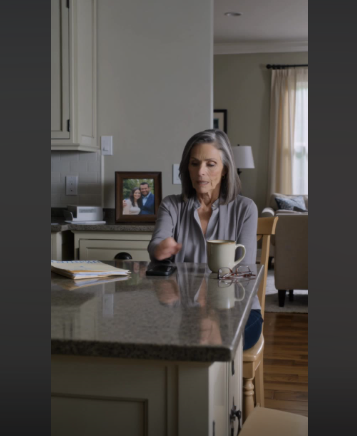
My Daughter’s Shocking Text: “We’re Done With You. Don’t Ever Find Us Again. “My Life Changed Forever
MY DAUGHTER SENT A MESSAGE SAYING: “WE’VE DECIDED WE’RE GOING TO DISTANCE OURSELVES FROM YOU. PLEASE DON’T LOOK FOR US ANYMORE.” MY SON-IN-LAW WAS THE ONE WHO WROTE IT, AND SHE JUST AGREED. I SIMPLY REPLIED: “NO PROBLEM, I’M GOING TO CANCEL THE AUTOMATIC PAYMENTS FOR YOUR HOUSE AND CAR, AND I’LL LET YOU KNOW WHEN IT’S…”
My name is Margaret Rose Harrison.
I was seventy-two years old when my daughter-in-law stood in my kitchen on Thanksgiving morning and told me to leave the house I had lived in for forty-three years.
I had just pulled my pecan pie from the oven.
Same recipe.
Same pie plate.
Same kitchen.
I had made that pie every Thanksgiving since 1981, the year Thomas and I moved into 847 Maple Street and the year our son, Daniel, was born.
Rebecca stood in the doorway with her arms folded.
Perfect blonde hair.
Designer coat.
Diamond earrings.
Everything about her looked carefully arranged.
“Margaret,” she said, “I need you to start packing.”
I set the pie onto the cooling rack.
“Packing?”
“Daniel and I have spoken to a realtor.”
She said it as though discussing weather.
“This house is worth approximately eight hundred forty-seven thousand dollars.”
“And?”
“And we think it makes sense for us to take over the property.”
I looked at her.
She continued.
“You’re living alone now.”
“The house is too much.”
“The yard.”
“The maintenance.”
“The stairs.”
Then:
“We’ve also looked at some very nice assisted-living communities.”
For a second, I thought I had misunderstood.
I was seventy-two.
Not ninety-two.
I walked three miles most mornings.
Volunteered at the library twice a week.
Maintained a vegetable garden large enough to annoy my neighbors with free zucchini every August.
Belonged to a book club.
Had recently learned what a podcast was and listened to three of them while pruning roses.
But Rebecca had already built a different version of me.
Old.
Widowed.
Dependent.
Waiting for somebody more capable to take control.
“When do you expect me to leave?”
I asked.
She blinked.
Maybe she expected crying.
Begging.
Outrage.
Instead:
A practical question.
“Sunday would be ideal.”
She said.
“Though Daniel thinks that’s too quick.”
Her mouth tightened slightly.
“I suppose we could give you until Christmas.”
“Christmas.”
“Yes.”
“That should be more than enough time.”
I wiped my hands on the blue sunflower apron Thomas gave me in 1987.
“Okay.”
Rebecca stared.
“Okay?”
“I’ll start sorting tomorrow.”
Then I nodded toward the pie.
“It needs about twenty minutes to cool if you’d like some before everyone gets here.”
Her expression became almost disappointed.
“Daniel and I don’t eat refined sugar anymore.”
Then:
“And honestly, Margaret, at your age you should be more careful too.”
“Assisted-living communities have excellent dietary programs.”
“I’ll keep that in mind.”
I said.
That was all.
At two o’clock, the family arrived.
Seventeen people.
My sister Patricia and her husband, George.
Thomas’s brother Richard and his wife, Susan.
Several cousins.
The Caldwells from across the street.
Daniel.
Rebecca.
And my six-year-old granddaughter, Emma.
Emma used to run toward me the moment she saw me.
That Thanksgiving, Rebecca held her hand firmly as they entered.
“Say hello to Grandma Margaret.”
Rebecca prompted.
“Hello, Grandma Margaret.”
Emma said.
Formal.
Careful.
Then looked toward her mother for approval.
Something tightened inside my chest.
Daniel kissed my cheek.
“Happy Thanksgiving, Mom.”
“Happy Thanksgiving.”
I looked at my son.
Forty-three years old.
My only child.
He knew what Rebecca had told me.
And he said nothing.
I spent two days preparing the meal.
Turkey with herb butter.
Cornbread stuffing with sage from my garden.
Mashed potatoes with real cream.
Green bean casserole.
Cranberry sauce made from scratch.
Sweet potato pie.
Pecan pie.
I moved between kitchen and dining room as I had for decades.
Serving.
Refilling.
Listening.
Smiling.
Meanwhile, Rebecca sat at the head of the table.
My chair.
The same chair I had occupied every Thanksgiving since 1981.
She wore cream cashmere and looked completely at home.
Almost as though she were rehearsing ownership.
Halfway through the meal, she lifted her glass.
“Margaret…”
“I think Daniel and I should make our announcement.”
The table quieted.
Daniel looked down.
That told me everything I needed to know about his courage.
Rebecca smiled.
“As everyone knows, Thomas passed last year.”
Fourteen months earlier.
Cancer.
He died in our bedroom with my hand in his.
Rebecca continued.
“It has been very difficult for everyone.”
“Especially Margaret.”
My name sounded like a diagnosis when she said it.
“She has been incredibly strong.”
“But Daniel and I have become concerned about her living alone in such a large house.”
I watched Patricia’s eyes narrow.
Rebecca went on.
“The maintenance alone is too much at her age.”
“And we want to help her transition somewhere safer.”
Patricia put down her fork.
“What exactly does that mean?”
Rebecca smiled at her.
“We’ve been researching assisted-living communities.”
“And Daniel and I plan to move into this house.”
Silence.
Then:
“We’ve spoken with a realtor.”
“The property is worth approximately eight hundred forty-seven thousand dollars.”
“We think keeping it in the family makes sense.”
“Emma needs more space.”
“And we’re hoping to give her a sibling soon.”
Susan spoke.
“Are you buying it from Margaret?”
Rebecca laughed lightly.
“It’s a family property.”
“That wasn’t my question.”
Susan said.
“Does Margaret want to move?”
Rebecca’s smile slipped.
“This isn’t really about wants.”
“It is about what is practical.”
Then I spoke.
Quietly.
“I’m sitting right here.”
Everyone turned.
“I can speak for myself.”
Rebecca flushed.
“Of course.”
“I only mean you can’t realistically afford this place on your own.”
There it was.
The assumption.
Thomas had died.
Therefore:
Margaret had no money.
Margaret had never held a career outside the home.
Therefore:
Margaret contributed nothing financially.
Margaret was elderly.
Therefore:
Margaret needed management.
“You’re probably right.”
I said.
Rebecca brightened immediately.
“This house is a lot of work.”
“Exactly.”
She reached for Daniel’s hand.
“See?”
“Margaret understands.”
I stood.
“I’ll need some time to handle paperwork.”
“Of course.”
Rebecca said graciously.
“We’re not monsters.”
“Take until Christmas.”
Christmas.
Less than a month to dismantle forty-three years.
I returned to the kitchen.
My hands were perfectly steady.
Behind me:
Conversation slowly restarted.
Football.
Weather.
School.
Anything easier than what had just happened.
The Caldwells left early.
Their faces made it clear they were disgusted.
I served dessert.
Rebecca ate two pieces of the pecan pie she supposedly didn’t eat.
By six:
Everyone was gone except Patricia.
George had already left.
My sister stood beside me while I washed dishes.
“Maggie…”
Only Patricia still called me that.
“What in God’s name was that?”
“That was Rebecca showing her hand.”
“And you told her okay.”
“Yes.”
Patricia threw the dish towel onto the counter.
“She cannot just take your house.”
“Can’t she?”
I turned.
“I’m a widow.”
“Daniel is my only child.”
“The house is worth almost a million dollars.”
“Why wouldn’t Rebecca assume it becomes his?”
“Because you’re alive.”
Patricia snapped.
“Because it is yours.”
“Because you raised that son of yours.”
“Because—”
She stopped.
Breathing hard.
Then:
“What are you going to do?”
“Pack.”
Her eyes widened.
“You’re surrendering?”
“I didn’t say that.”
Patricia stared.
Slowly:
A smile.
“Oh.”
“What?”
“You have that look.”
“What look?”
“The same one you had when the city tried to rezone this neighborhood in 1993.”
“And when Daniel’s custody problem happened years ago.”
She pointed at me.
“You have a plan.”
“I didn’t say that either.”
“Maggie.”
I took her hands.
“I need you to trust me.”
She studied me.
Then nodded.
“What do you need?”
“Two weeks.”
“No questions.”
“Maybe three.”
“And then?”
“Another family dinner.”
After Patricia left, I walked through the dark house without turning on lights.
Living room.
Hallway.
Bedroom.
Forty-three years.
Daniel took his first steps here.
We marked his height on the pantry doorway until he turned eighteen.
Thomas kissed me goodbye at the front door almost every morning of our marriage.
The rose bushes in the yard came from our twentieth anniversary.
Rebecca saw:
$847,000.
I saw:
My life.
Eventually, I entered Thomas’s study.
I still called it that.
His books remained where he left them.
Reading glasses beside the fountain pen.
Chair slightly angled away from the desk.
He had been gone fourteen months.
I still had not changed the room.
Bottom drawer.
Metal box.
Locked.
I had always known it existed.
Thomas showed it to me on our wedding night in 1979.
“If anything happens to me…”
He said.
“Everything you need is in here.”
I never asked.
Thomas was an accountant.
I trusted him with finances.
Savings.
Investments.
Taxes.
Retirement.
Maybe too completely.
Around my neck:
Small key.
I had worn it every day since his death.
I opened the box.
Documents.
Dozens.
Bank statements.
Deeds.
Insurance.
Stocks.
Account records.
Everything organized in Thomas’s precise handwriting.
On top:
Envelope.
FOR MARGARET ROSE, MY BRILLIANT WIFE.
I sat down.
Opened it.
My dearest Maggie,
If you’re reading this, I am gone.
And I am sorry I cannot be there to help you with what comes next.
You know I was always the practical one and you were always the kind one.
You let people underestimate you because you never needed them to know how smart you are.
But now I need you to be practical too.
Everything is in your name.
The house.
The accounts.
The investments.
All of it.
Daniel is provided for in my will, but only after you.
Rebecca does not know this.
I did not trust her when I was healthy.
I trust her even less while writing this from a hospital bed.
The house at 847 Maple Street is in Section A.
It has been paid off since 1998.
Section B contains documents for the other properties.
Yes, properties.
Plural.
Section C contains the investment and savings accounts.
The total is substantial.
You will never need to worry about money.
My attorney is James Mitchell.
You met him at our fortieth anniversary.
He knows everything.
Rebecca will eventually try to take what she believes belongs to Daniel.
I know because I have watched the way she studies this house.
The way she talks about family assets as though inheritance begins before someone dies.
Do not let her.
You are stronger than she will ever understand.
I love you.
I have loved you since 1979 when you came into my office with a tax question and I pretended it required three appointments just so I could see you again.
Take care of Daniel.
He becomes weak around her, but he is still our son.
Most of all:
Take care of yourself.
Forever yours,
Thomas.
Tears covered the page.
Even dead:
Thomas was protecting me.
I wiped my eyes.
Section A.
Deed.
847 Maple Street.
Thomas Harrison and Margaret Rose Harrison.
Mortgage:
Paid December 1998.
Section B.
Another deed.
1243 Oak Avenue.
Owner:
Margaret Rose Harrison.
Rental property.
Purchased 2003.
Then:
567 Pine Street.
My name.
Rental.
2006.
Another.
Another.
Another.
Seventeen properties.
Seventeen.
Every one generating rental income.
Income routed automatically into accounts I had barely known existed.
Section C.
Riverside First National.
Account holder:
Margaret Rose Harrison.
Balance:
$847,392.18.
Hartford Securities.
Investment portfolio:
$2,347,891.45.
Stock holdings:
Approximately $1.1 million.
Savings.
Money market.
Retirement.
Property values.
I started calculating.
By the final page:
Approximately $12.7 million.
Not including the home Rebecca had just announced she was taking.
I stared.
Then laughed.
I could not help it.
There I sat in Thomas’s dark study, laughing until my sides hurt.
Rebecca had told seventeen people that I was too poor to maintain an $847,000 house.
I owned seventeen other properties.
She was preparing to put me in assisted living because she assumed I lived on Social Security.
I was worth nearly thirteen million dollars.
Most importantly:
Thomas knew.
He had seen Rebecca coming from years away.
I called James Mitchell.
Third ring.
“Mitchell and Associates.”
“James Mitchell.”
“My name is Margaret Rose Harrison.”
Pause.
Then his voice softened.
“Mrs. Harrison.”
“I have been expecting this call.”
Monday.
Nine a.m.
Bring everything.
Before hanging up, I told him what Rebecca had done.
He was quiet.
Then:
“Does she know about Thomas’s estate plan?”
“No.”
“The properties?”
“No.”
“The accounts?”
“No.”
Another pause.
“Then I think your daughter-in-law has made a fairly serious mistake.”
“I don’t want revenge.”
I said.
“I want to protect what is mine.”
“Good.”
James replied.
“That makes this much easier.”
Monday morning:
Navy dress.
Pearls.
Sensible shoes.
Thomas’s documents in folders.
Mitchell and Associates occupied the twelfth floor of a downtown tower.
Glass.
Marble.
Mahogany.
James was approximately sixty.
Silver hair.
Calm eyes.
The kind of attorney who did not need to raise his voice because people already knew to listen.
He poured coffee.
Black.
Then sat opposite me.
“Thomas came to see me three months before he died.”
He said.
“He was very specific.”
“He wanted you protected.”
“He didn’t want me to know about the investments?”
“He wanted you to live peacefully while he was alive.”
“Then understand everything when necessary.”
James opened his own file.
“Let’s begin with Maple Street.”
The will gave me lifetime control of the house.
I could:
Live there.
Sell it.
Keep it.
Nobody else had a current claim.
Daniel did not inherit while I was alive.
Then James added:
“There is a condition after your death.”
“What condition?”
“If Daniel is married to Rebecca when you die…”
“He does not receive the house directly.”
“It moves into trust for his children.”
“Patricia is named trustee.”
“Rebecca cannot control it.”
I stared.
“Thomas did that?”
“Yes.”
“Why?”
James almost smiled.
“He once told me Rebecca looked at your home the way a shark looks at blood in water.”
That sounded exactly like Thomas.
James showed me the deed.
Joint ownership during Thomas’s life.
His interest transferred fully to me at death under the relevant estate structure.
Current owner:
Margaret Rose Harrison.
No mortgage.
No Daniel.
No Rebecca.
Then I told James everything.
Thanksgiving.
Assisted living.
House value.
Christmas deadline.
Daniel’s silence.
He wrote steadily.
When I finished:
“What you’re describing may support an elder financial exploitation claim depending on how far they proceed.”
He said.
“Especially if they begin attempting to remove property or exert control through misrepresentation.”
“I don’t want my son arrested.”
“We are nowhere near deciding anything like that.”
James replied.
“Our first goal is prevention.”
“Your second goal is documentation.”
Then:
“Let’s discuss what else you own.”
We reviewed the full estate.
Rental properties generated roughly forty-seven thousand dollars gross each month.
Net income after expenses remained enormous compared with my personal spending.
Liquid accounts:
Millions.
Total net worth:
Approximately $12.8 million.
James looked at me.
“Rebecca thinks she has the strategic advantage because she thinks you’re dependent.”
“Yes.”
“We can use that.”
“How?”
“Let her keep talking.”
I frowned.
“You want me to let her believe she’s winning?”
“For a short time.”
“Document every demand.”
“Every attempt to arrange moving.”
“Any effort to control your property.”
“If she escalates, we preserve it.”
“When do we tell her?”
James leaned back.
“Christmas.”
“She gave you until Christmas.”
“Let’s use her deadline.”
I left with a small recorder after James confirmed how to preserve conversations lawfully under the applicable rules.
That afternoon:
Rebecca called.
“Have you started packing?”
“Yes.”
“Good.”
“Movers are booked December fifteenth.”
I switched on the recorder.
“Already?”
“You need structure.”
She replied.
“They’ll take everything directly to whichever facility you choose.”
“Efficient.”
“Someone has to be.”
Then:
“Daniel wanted to let you stay until spring.”
“I told him absolutely not.”
“We need to think about Emma.”
“This house should have become ours years ago.”
My fingers tightened.
“Is that what you think?”
“It’s reality.”
Then came the sentence James wanted preserved.
“You never worked.”
“You never contributed financially.”
“You were just a housewife.”
“Now Thomas is gone.”
“You need to accept what your situation actually is.”
I breathed slowly.
Then Rebecca added:
“Don’t take the furniture.”
“What?”
“We’ll keep the house staged.”
“Most of that old furniture won’t fit in assisted living anyway.”
“We can donate it.”
“Take the tax deduction.”
She hung up.
I sat at my kitchen table with the recorder still running.
Forty-three years:
Reduced to old furniture.
I sent the file to James.
His response:
Useful.
Very useful.
Next:
Bank.
Mr. Peterson had known us thirty years.
I asked for every account under my name.
He looked surprised.
“There are quite a few.”
“I would like all of them.”
Forty-five minutes.
Three-inch stack.
In the parking lot, I read.
Checking:
$87,392.18.
Savings:
$760,000.
Money market:
$1.2 million.
Investment holdings:
$2,347,891.45.
Retirement:
$1,847,293.
Then:
Automatic monthly deposits.
Harrison Property Management LLC.
Approximately forty-seven thousand dollars.
I drove to the address.
Small office in a strip mall.
Dry cleaner on one side.
Tax-preparation business on the other.
Inside:
Linda Chen.
Property manager.
The moment I introduced myself:
“Oh my goodness.”
“Mrs. Harrison.”
“I am so sorry about Thomas.”
“He was wonderful to work for.”
I sat.
“I need you to explain something to me.”
“What exactly do I own?”
Linda smiled.
Then pulled out a binder.
Seventeen tabs.
Every property.
Addresses.
Tenants.
Leases.
Maintenance.
Income.
1243 Oak Avenue.
Young family.
$2,800 monthly.
567 Pine Street.
Retired couple.
$2,200.
Another.
Another.
Seventeen.
All occupied.
All maintained.
“Gross rental income is about forty-seven thousand three hundred monthly.”
Linda said.
“After ongoing expenses…”
“Net is approximately forty-three thousand.”
More than half a million dollars a year.
Passive rental income.
Rebecca thought I could not pay the heating bill.
I requested copies of everything.
And asked Linda:
“Don’t mention this visit.”
“Of course.”
She said.
“Your business is your business.”
Patricia finally cornered me at the grocery store.
“Maggie.”
“You’re avoiding me.”
“I’ve been busy.”
“Packing for Rebecca?”
She grabbed the shopping cart.
“Tell me.”
I stared at her.
Then:
“Get in the car.”
We drove to the park.
The same park where Thomas and I once brought Daniel.
At a picnic table:
I told Patricia everything.
Lockbox.
Letter.
Seventeen properties.
Accounts.
James.
Christmas plan.
By the end, Patricia’s mouth was open.
“Twelve million dollars?”
“Closer to twelve point eight.”
She stared.
Then began laughing.
Hard.
Head on the table.
“Oh my God.”
“That woman has no idea.”
“I need you to keep it secret.”
“Until Christmas?”
“Yes.”
“Can I come?”
“Front row.”
That weekend:
Rebecca let herself into my house using Daniel’s key.
I came in from the garden.
She stood in my living room holding a tape measure and notebook.
“What are you doing?”
“Furniture planning.”
I activated the recorder.
“Already?”
“We take possession January first.”
She measured.
“We’ll put a modern sectional here.”
“Knock out this wall.”
“Open the kitchen.”
Then fireplace.
“Needs to go.”
Floors.
“Heated tile.”
Kitchen cabinets.
Replace them.
Bathrooms.
Renovate.
Total:
Approximately two hundred thousand dollars.
“But the house should be worth over one point two million after.”
Rebecca smiled.
“See?”
“This is why you could never manage something like this.”
“You don’t understand investments.”
“You never needed to while Thomas was alive.”
Twenty more minutes.
She redesigned my entire life.
Then left.
I sat on the old couch she planned to throw away.
Listened to the recording.
Sent it to James.
“She is treating property she does not own as though transfer is already complete.”
He said.
“Keep documenting.”
“Stay calm.”
On the third week:
Thomas’s accountant.
Harold Jang.
Forty-five.
Glasses.
Bow tie.
He pulled up my complete financial position.
“Current total assets…”
“$12,891,847.”
Up from the previous week.
Markets.
Rental income.
Reinvestment.
Monthly personal expenses:
Approximately $3,200.
Net rental income:
About $43,000.
I was generating roughly forty thousand dollars more per month than I spent.
“You could live entirely off the rental income.”
Harold said.
“And never touch principal.”
Then:
“Your assets would likely continue growing.”
I sat there.
“One of your wealthiest clients?”
“Yes.”
He said.
“By a considerable margin.”
I requested one document.
Clear.
Bound.
Understandable.
Every asset.
Every property.
Every account.
“Court?”
Harold asked.
“Maybe.”
I said.
“Family dinner first.”
Then Rebecca called again.
“Movers are coming December fifteenth.”
“Nine days.”
“You need to be ready.”
“I am working on it.”
“Not fast enough.”
“Contractors start demolition on the seventeenth.”
Then:
“Sunset Gardens has a studio open.”
“Three thousand two hundred per month.”
“Can you afford that?”
“I think so.”
She laughed softly.
“Margaret…”
“Your pension is what?”
“Maybe eighteen hundred?”
“Where are you getting the rest?”
“I have savings.”
“Don’t lie to save face.”
She said.
“It’s okay to accept help.”
“That’s what family is for.”
Then:
“When your money runs out…”
“Don’t come crying to Daniel.”
“We’re not a bank.”
I sent that recording too.
James called immediately.
“At this point…”
“The pattern is extremely clear.”
December tenth:
Daniel finally called.
“Mom.”
“Rebecca says you’re not packed.”
“I know.”
“The movers come in five days.”
“I know.”
“We need the house empty.”
“We?”
I asked.
“Or Rebecca?”
“We’re married.”
Daniel replied.
“What belongs to me belongs to her.”
“And what belongs to me?”
Silence.
“Does that belong to her too?”
“The house should have passed to me when Dad died.”
My heart hurt.
“Why?”
“Mom…”
“You can’t afford it.”
“You never worked.”
“There is no retirement except Social Security.”
Rebecca’s story.
Repeated through my son.
“You believe because I stayed home that I contributed nothing?”
“That’s not what I mean.”
“It sounds exactly like what you mean.”
He started telling me about Sunset Gardens.
Friends.
Activities.
Safety.
A nice place for someone my age.
I closed my eyes.
“Do you remember your father’s last words to you?”
Silence.
“Take care of your mother.”
I said.
“She is stronger than anyone knows.”
“But she shouldn’t have to be strong alone.”
Daniel’s voice dropped.
“Yes.”
“Is this taking care of me?”
No answer.
“We’ll talk Christmas.”
I said.
Then ended the call.
December fifteenth:
Movers.
Two men.
Truck.
Rebecca on my porch with clipboard.
“Start with the living room.”
She instructed.
I opened the door.
The movers looked toward me.
“I’m sorry.”
I said pleasantly.
“I haven’t hired a moving company.”
Rebecca’s face reddened.
“I hired them.”
“To remove my belongings?”
“We discussed this.”
“No.”
“You informed me what you wanted to happen.”
“That isn’t permission.”
“Margaret…”
“You’re being difficult.”
“Actually…”
“This is my house.”
“It is Daniel’s.”
“Is it?”
The movers exchanged a look.
I addressed them.
“Gentlemen…”
“You were called here under false assumptions.”
“I am not moving.”
“Please bill her for your trip.”
They left.
Rebecca stood on the porch shaking.
“You’re going to regret this.”
“I’m calling our lawyer.”
“We’ll have you evicted.”
“You are welcome to try.”
I smiled.
“Merry Christmas.”
Then closed the door.
Doorbell camera preserved everything.
James loved that.
“One more piece.”
He said.
“Are you ready for Christmas?”
“Yes.”
“Then let’s finish it.”
December eighteenth:
Printed invitations.
Cream cardstock.
Formal.
You are invited to Christmas dinner at the home of Margaret Rose Harrison.
847 Maple Street.
December 25.
6:00 p.m.
Formal attire.
RSVP required.
Daniel and Rebecca.
Patricia and George.
Richard and Susan.
Caldwells.
Several relatives.
James Mitchell.
On his:
Please bring all documents.
Rebecca called almost immediately.
“You’re hosting Christmas?”
“Yes.”
“In the house you’re supposed to have left?”
“I never left.”
“We’re hosting at our apartment.”
“Then cancel.”
“We aren’t coming.”
“That is your choice.”
Then I added:
“But we will be discussing the house.”
Long silence.
“What are you doing?”
“Hosting Christmas dinner.”
I said.
“RSVP Friday.”
Patricia helped set the table.
Thomas’s mother’s china.
Silver.
Crystal.
Candles.
“You are enjoying this.”
She said.
“I am enjoying being prepared.”
“James comes at dessert?”
“Six-thirty.”
“After everyone settles.”
Patricia grinned.
“Devious.”
“Thomas used to say…”
“Stay calm.”
“Gather facts.”
“Move only when your position is unbeatable.”
“Is yours unbeatable?”
I looked at her.
“Almost thirteen million dollars…”
“A clear deed…”
“A will…”
“Recordings…”
“Doorbell footage…”
“And an attorney.”
“Yes.”
“I feel fairly comfortable.”
Christmas morning:
5:30.
Same kitchen.
Same traditions.
Turkey.
Stuffing.
Potatoes.
Casserole.
Cranberry sauce.
Sweet potato pie.
And pecan pie.
At four:
I dressed.
Emerald green.
Eight hundred dollars.
More than I usually spent on clothing in several months.
Pearls.
Thomas gave them to me on our twenty-fifth anniversary.
Real.
Worth approximately twelve thousand dollars.
Rebecca once told me they looked fake.
I styled my gray hair.
Makeup.
Mirror.
For the first time, I saw myself the way James and Thomas apparently had.
Not:
Poor widow.
Not:
Old housewife.
Margaret Rose Harrison.
Owner.
Investor.
Woman who had been underestimated long enough.
Guests began arriving.
Patricia.
George.
Richard.
Susan.
Caldwells.
Everyone knew something significant was coming.
At 5:55:
Daniel’s car.
Rebecca wore white.
Designer.
Diamonds.
Daniel looked nervous.
I opened the door.
“Merry Christmas.”
He kissed my cheek.
Then looked at me.
Dress.
Pearls.
Hair.
Something changed in his face.
Rebecca walked inside.
I heard her whisper:
“Those are Mikimoto pearls.”
Then:
“Do you think they’re real?”
She stopped when she saw the mantel.
Large framed photograph.
Thomas and me.
Fortieth anniversary.
Dancing.
I wore the same pearls.
Below it:
Brass plaque.
MARGARET ROSE HARRISON
OWNER — 847 MAPLE STREET
1981–PRESENT
Rebecca stared.
“What is that?”
“Something James had made.”
I said.
“James?”
“Mitchell.”
“My attorney.”
Daniel looked at me.
“Dad’s lawyer?”
“Yes.”
“He’ll join us for dessert.”
Rebecca went pale.
Dinner.
Eleven settings.
My seat:
Head of table.
As always.
Thomas’s chair remained empty.
Reserved for James.
Butternut squash soup.
Tension.
Then turkey.
Rebecca tried.
“Why exactly is an attorney coming to Christmas dinner?”
“Family business.”
I said.
“If this is about the house—”
Patricia smiled.
“Oh…”
“It is definitely about the house.”
Rebecca glared.
“This does not concern you.”
“When someone tries taking my sister’s home…”
“It concerns me.”
I intervened.
“Dessert.”
“Let’s enjoy dinner first.”
At 7:15:
Doorbell.
James Mitchell.
Dark suit.
Leather briefcase.
“Ready?”
He asked.
“I’ve been ready since Thanksgiving.”
He entered.
Introductions.
Then sat in Thomas’s chair.
I served pie.
“Rebecca…”
“I know you avoid refined sugar.”
“But the pecan pie is tradition.”
She did not touch it.
“Why is he here?”
She demanded.
I placed my fork down.
“Let’s begin.”
I looked at Daniel.
“Your understanding is that I cannot afford this house.”
“Yes.”
“Because?”
“You never worked.”
“Dad’s pension stopped.”
“And Rebecca told you my only income is Social Security.”
He nodded.
“Approximately eighteen hundred dollars monthly.”
“And on that basis…”
“You both decided I should move to Sunset Gardens…”
“At approximately thirty-two hundred dollars per month…”
“And you would take possession of this house.”
Rebecca leaned forward.
“We were trying to make a practical family decision.”
“Good.”
I said.
“Then let’s discuss facts.”
James opened the briefcase.
First document:
Deed.
847 Maple Street.
Purchased:
1981.
Original price:
$127,000.
Mortgage satisfied:
1998.
Ownership:
Thomas William Harrison and Margaret Rose Harrison.
Upon Thomas’s death:
Sole ownership vested with me according to the governing documents.
I looked toward Rebecca.
“This house belongs to me.”
“Not Daniel.”
“Not you.”
“Me.”
“But Daniel is the heir.”
Rebecca said.
“No.”
James replied.
“Not currently.”
He produced Thomas’s will.
“Mrs. Harrison has full control during her lifetime.”
“She may live here indefinitely.”
“She may sell.”
“She may retain.”
“Mr. Harrison has no present possessory right.”
Then Daniel asked:
“What happens when Mom dies?”
James looked at him.
“Your father included conditions.”
“If you are not married to Rebecca…”
“The estate plan permits the house to pass to you under specified terms.”
“If you remain married to Rebecca…”
“The property is placed into trust for your children.”
“Patricia serves as trustee.”
“Rebecca cannot own or control it.”
Silence.
Rebecca’s face changed.
“That isn’t legal.”
“It is.”
James replied calmly.
“Thomas had broad authority over his estate planning.”
“And he was explicit.”
“Why would he do that?”
I asked.
Even though I knew.
James glanced at me.
“Because Thomas believed Margaret might eventually be targeted by someone who mistook kindness for weakness.”
Rebecca stood.
“She is vulnerable.”
“She has no money.”
“Thank you.”
I said.
“That brings us to your second mistake.”
James placed a thick bound report in front of me.
I opened it.
“Prepared by Harold Jang.”
“CPA.”
“Current as of December twenty-third.”
Then:
“Income.”
I looked at Rebecca.
“You assumed I have eighteen hundred dollars per month.”
She did not answer.
“My actual monthly income is approximately forty-seven thousand two hundred eighty-four dollars.”
Daniel stared.
“What?”
“Rental income.”
“Social Security.”
“Investment distributions.”
I turned the page.
“Rental properties.”
Then read them.
1243 Oak Avenue.
$2,800 monthly.
567 Pine Street.
$2,200.
891 Elmwood Drive.
$3,100.
One after another.
Seventeen properties.
Every one owned under my estate structure.
Every one producing income.
After operating expenses:
Approximately $43,284 monthly net rental income.
Plus other income:
Total roughly $47,284.
Rebecca gripped the table.
“Seventeen?”
“Yes.”
Then:
Assets.
Checking.
$87,392.
Savings.
$760,000.
Money market.
$1.2 million.
Investment account.
$2,347,891.
Retirement assets.
$1,847,293.
Stock holdings.
Approximately $1.1 million.
Real-estate portfolio.
Approximately $6.5 million.
“Total net worth…”
I said slowly.
“As of December twenty-third…”
“$12,891,847.”
The grandfather clock ticked in the hallway.
Daniel whispered:
“Twelve million?”
“Twelve million…”
“Eight hundred ninety-one thousand…”
“Eight hundred forty-seven dollars.”
I answered.
“Give or take market movement.”
Rebecca stared at me.
“You lied.”
“No.”
I said.
“I never discussed my finances with you.”
“You assumed.”
“You let me think—”
“I let you behave.”
I corrected.
“There is a difference.”
I stood.
“You thought I had no money.”
“So you decided I had no power.”
“You thought I had never held a paycheck…”
“So you decided I had contributed nothing.”
“You thought being seventy-two meant I could not understand property.”
“Then you scheduled movers…”
“Contractors…”
“Assisted living…”
“And began redesigning a house you do not own.”
“We were helping.”
Rebecca said.
“Were you?”
I took out my phone.
Pressed play.
Her voice filled the dining room.
You never worked.
You never contributed financially.
You were just a housewife.
Another recording.
Don’t take the furniture.
We’ll donate it and take the deduction.
Another.
When your money runs out, don’t come crying to Daniel.
We’re not a bank.
Another.
The contractor comes December seventeenth.
We need the house empty.
I stopped playback.
James spoke.
“Mrs. Harrison has documented repeated attempts to exert control over her home and possessions based on your belief that she was financially vulnerable.”
“Depending on the full facts and any further actions…”
“Those records could support serious civil claims and potentially allegations of financial exploitation.”
Rebecca began crying.
Mascara.
Perfect face finally imperfect.
“I was trying to protect the family.”
“Which family?”
I asked.
“The one where I am alive…”
“Or the one where you inherit after I disappear?”
No answer.
“I could pursue this aggressively.”
I said.
“I could sue.”
“I could ask authorities to examine everything that happened.”
Rebecca looked frightened now.
“But I am not doing that tonight.”
She blinked.
“Why?”
“Because you’re Emma’s mother.”
“And because I would rather give you one opportunity to understand what you nearly did.”
I sat again.
“Here are the terms.”
“You and Daniel leave tonight.”
“You never again attempt to control this property.”
“You never schedule movers.”
“Contractors.”
“Appraisers.”
“Facilities.”
“Anything.”
“You do not describe me as incompetent…”
“Senile…”
“Helpless…”
“Or financially dependent.”
“And you apologize to the people at this table who had to watch you announce my eviction on Thanksgiving.”
Rebecca’s expression hardened slightly.
“And if we don’t?”
James answered before I could.
“Then on Monday…”
“My office proceeds according to Mrs. Harrison’s instructions.”
I looked at her.
“With documentation.”
“With witnesses.”
“With recordings.”
“And with a legal budget you badly underestimated.”
Then I turned to Daniel.
My son had barely moved.
“Daniel.”
He looked at me.
“Mom…”
“I am disappointed in you.”
Tears filled his eyes.
“I didn’t know.”
“You didn’t know because you never asked.”
I said.
“You let Rebecca tell you who your mother was.”
“You accepted it because questioning her would have required discomfort.”
“I asked you after Thanksgiving…”
“Not once…”
“Did you call to ask if I was okay.”
He looked down.
“I thought…”
“I know.”
“You thought I was helpless.”
Then:
“People marry the wrong person sometimes.”
“That isn’t the part I am most disappointed by.”
“The part that hurts is that when your wife reduced me to a burden…”
“You let her.”
Daniel whispered:
“I’m sorry.”
I believed he meant it.
That did not mean we were repaired.
“Not tonight.”
I said.
“We’ll talk later.”
Then:
“Please leave.”
Daniel stood.
Rebecca followed.
At the front door, he turned.
“Mom…”
“I should have protected you.”
“No.”
I said.
“You should have respected me.”
He closed his eyes briefly.
Then nodded.
I shut the door.
Not hard.
No need.
When I returned to the dining room:
Patricia had already poured coffee.
Susan handed me a fresh plate of pecan pie.
George looked as though he had witnessed the Super Bowl of family dinners.
Nobody said anything for several seconds.
Then Patricia lifted her cup.
“To Maggie.”
I laughed.
“Please…”
“No speeches.”
We ate dessert.
Six months later:
June.
Sunlight through my bedroom window.
Quiet house.
My house.
847 Maple Street.
Still mine.
Paid for.
Maintained.
Affordable.
Not because I suddenly became wealthy.
I had apparently been wealthy for years.
I simply finally knew it.
Coffee.
Garden.
Roses in bloom.
Vegetables thriving.
At nine:
Patricia’s car.
“Book club?”
She called.
“Ready.”
At book club:
I was just Margaret.
Widow.
Mystery novels.
Good cookies.
Nobody cared about twelve million dollars.
That was exactly how I wanted it.
Daniel called three times after Christmas.
Eventually:
Coffee.
Awkward.
Painful.
He apologized again.
This time:
Without excuses.
I accepted the apology.
Not the old dynamic.
Those are different things.
We began rebuilding slowly.
Emma visited twice.
Without Rebecca.
First visit:
She ran toward me again.
That almost broke me more than anything else.
Daniel and Rebecca entered marriage counseling.
Whether they stayed together was their decision.
I did not manage their marriage.
I had spent enough time being managed myself.
I never needed to see Rebecca humiliated again.
Christmas had been enough.
What mattered afterward was:
My home.
My granddaughter.
My relationship with Daniel, if he was willing to rebuild it respectfully.
My own life.
Some evenings:
I sat on the porch with wine.
Thomas’s chair beside me.
Empty.
I still missed him.
Fourteen months of widowhood became eighteen.
Then twenty.
Grief changed shape.
It never disappeared.
But his presence seemed embedded everywhere.
Books.
Rose bushes.
The grandfather clock.
The finances he quietly built.
The letter.
The protections.
For years, I thought Thomas handled money because he was simply better at it.
That was partly true.
But now I understood something deeper.
He had not built wealth so we could appear wealthy.
We never did.
He built it so one day I would never need permission.
From Daniel.
From Rebecca.
From a facility administrator.
From anyone.
That was the real inheritance.
Not the twelve million.
Choice.
I joined the local library board.
Next month:
Emma and I planned a beach trip.
Just grandmother and granddaughter.
Patricia still called almost daily.
Linda sent property reports directly to me.
I read them now.
Every page.
Harold Jang taught me how to review investment statements.
I had spent decades telling myself:
Thomas understands that better.
Now:
I wanted to understand too.
Not because I distrusted him.
Because independence requires knowledge.
That was one lesson Rebecca accidentally gave me.
Never again would I allow my own financial life to remain invisible simply because somebody kind had always managed it for me.
I did not become suspicious.
I became informed.
There is a difference.
One evening:
Sunset over the garden.
Glass of wine.
I raised it toward Thomas’s empty chair.
“Thank you.”
I whispered.
“For planning.”
“For seeing what I didn’t.”
“For believing I could handle it.”
The roses moved in a light breeze.
Maybe that was all.
Wind.
Memory.
Love.
Enough.
I was seventy-two.
A widow.
A grandmother.
A housewife for most of my adult life.
Rebecca looked at those facts and calculated weakness.
She made the mistake many people make.
She confused quiet with powerless.
Age with incompetence.
Domestic work with no contribution.
Kindness with surrender.
She was wrong about every one.
I could have destroyed her after Christmas.
Maybe that would have been satisfying for one evening.
But Thomas spent his life building something more valuable than revenge.
Security.
A home.
A future.
I protected those.
That was enough.
The greatest victory was not Rebecca discovering my net worth.
It was waking up six months later and realizing I still liked my ordinary morning.
Coffee.
Garden.
Library.
Emma.
My own front door.
Nothing about the house had changed.
Only the person standing inside it.
Rebecca thought she was giving me until Christmas to leave.
Instead, Christmas became the night I finally understood exactly what Thomas had left me.
Not seventeen rental properties.
Not investment accounts.
Not almost thirteen million dollars.
Those were tools.
What he really left me was the ability to say:
No.
This is my home.
This is my life.
And I decide what happens next.
