My family forgot my birthday again, even though they somehow never forgot to
Every Year, Family “Forgot” My Birthday While Throwing Lavish Parties For My Brother. This Time…
FAMILY FORGOT MY BIRTHDAY AGAIN-BUT THIS TIME I USED MY BONUS TO BUY A LAKE HOUSE. I POSTED PHOTOS WITH ONE LINE: ‘BIRTHDAY GIFT. TO MYSELF.’ THEIR OUTRAGE?
IMMEDIATE. REVEALING.
THE BIRTHDAY SHE FINALLY GAVE HERSELF
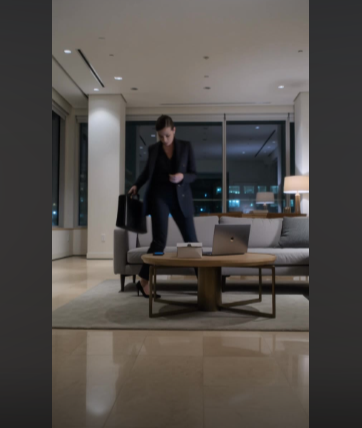
My heels clicked across the marble lobby of my apartment building a little after ten on a Tuesday night.
Fourteen hours at the office sat in my shoulders like weight.
Horizon PR had spent the day presenting the final campaign results for Westfield Retail, our largest consumer account that year. The client had practically hugged me when the numbers came up on the screen.
Quarterly revenue up forty-one percent.
Brand recognition up double digits.
A campaign my team had built from scratch had worked better than anyone expected.
At work, the day had felt like a victory.
At home, it was my thirty-second birthday.
The elevator doors opened.
I stepped inside and looked at my reflection in the mirrored wall.
Quinn Edwards.
Senior public-relations executive.
Green eyes tired from too much screen time.
Hair still pinned from the morning.
Expensive blazer wrinkled at the elbows.
A woman trusted with multimillion-dollar accounts who had spent the entire day pretending she was not checking her phone.
No missed calls.
No messages from my parents.
Nothing from my older brother Miles.
I told myself birthdays were for children.
Then I unlocked my apartment and saw the little cake I had bought that morning.
White frosting.
One candle.
Still in its bakery box on the coffee table.
I had planned to light it after dinner.
Then the client emergency stretched into evening and dinner became a protein bar in a conference room.
I set my briefcase down.
Kicked off my heels.
Sat on the sofa.
The apartment felt too neat.
Too controlled.
I had decorated it carefully because I liked coming home to quiet.
Tonight the quiet felt like evidence.
At eleven-thirty, I gave up pretending I would receive a call.
I opened my laptop because work was always available when family was not.
Instead of the proposal I meant to review, Facebook opened.
The first photograph stopped me.
Miles stood in the center of a private dining room holding champagne.
Behind him, gold letters spelled:
CONGRATULATIONS ON YOUR PROMOTION.
Dad had one arm around his shoulders.
Mom stood on the other side, smiling up at him with the expression she reserved for achievements that impressed her friends.
Jessica, Miles’s wife, held a glass near the edge of the frame.
Then came the rest.
Aunts.
Uncles.
Cousins.
People I had not seen in years.
The timestamp said the pictures had been posted four hours earlier.
On my birthday.
Dad had commented:
So proud of our superstar.
Mom wrote:
The Edwards family legacy continues.
I stared until the words blurred.
They had not simply forgotten to celebrate me.
They had organized an entire family event for Miles on the same night and never once noticed the date.
Again.
At eleven, I had spent my birthday at a restaurant waiting for my parents to return from Miles’s debate tournament.
They promised they would be back before dessert.
They were not.
At seventeen, I spent my birthday weekend with Grandma because Mom and Dad were touring Yale with Miles.
“It’s his future, Quinn.”
At my college graduation dinner, Miles announced his engagement to Jessica before the appetizers arrived.
I graduated summa cum laude.
By dessert, nobody was talking about it.
Last month, Dad had listened to me explain the Westfield campaign for less than thirty seconds before checking his watch.
“It’s advertising.”
Then:
“Miles moves actual money. That has real impact.”
I was still staring at the pictures when an email appeared.
HORIZON PR PERFORMANCE BONUS.
I opened it.
$82,000.
For Westfield.
For the work Dad called advertising.
My phone rang.
Mom.
For one humiliating second, hope jumped inside me.
“Hello?”
“Quinn, darling.”
Her voice was cheerful.
“I’m glad I caught you.”
I closed my eyes.
“Listen, we’re planning something for Miles and Jessica’s anniversary next month.”
Of course.
“Nothing enormous.”
“We thought you could handle catering and decorations.”
“You’re good at that sort of thing.”
The clock on the wall clicked to midnight.
My birthday ended while my mother assigned me work for my brother’s celebration.
“Mom.”
“Yes?”
“Today was my birthday.”
Silence.
Then:
“Oh.”
Not cruelty.
Surprise.
That somehow hurt worse.
“Oh, honey.”
“With Miles’s promotion, it completely slipped our minds.”
I looked at the bonus email.
Something inside me became very calm.
“Don’t worry about it.”
“Are you sure?”
“Yes.”
I looked again at the photographs.
“I understand what’s important to this family.”
She started to respond.
I ended the call.
Then I lit the candle myself.
No wish.
Just flame.
I watched it burn for a few seconds, blew it out, and ate one slice of cake in complete silence.
For the first time, the silence did not feel like something done to me.
It felt like space.
Four days later, I discovered the family group chat.
Not because anyone meant to include me.
Mom accidentally forwarded me an invitation link while trying to send something else.
I should have ignored it.
Instead, I opened it.
The thread went back months.
Pictures.
Dinner plans.
Vacation ideas.
Updates about Miles and Jessica.
My name appeared often enough to make the exclusion obvious.
Dad:
Quin should contribute significantly to the anniversary gift.
At least twenty thousand.
Mom:
She just got that bonus.
Time she supports the family for once.
Quin.
One n.
My mother had spelled my name wrong.
I leaned back in my office chair and laughed once.
Not because it was funny.
Because hurt eventually becomes absurd if repeated with enough precision.
Jennifer Morales, my closest friend at Horizon, stepped into my office carrying two coffees.
She saw my face.
“What happened?”
I turned the laptop toward her.
She read.
Then read again.
“Twenty thousand?”
“Yes.”
“For an anniversary party?”
“Yes.”
“They forgot your birthday.”
“Yes.”
“And now you are supposed to fund Miles’s celebration.”
“Apparently family supports family.”
Jennifer sat across from me.
“What does Miles support?”
I almost answered emotionally.
Then another email appeared.
Miles had copied me on a message to one of Horizon’s clients, RegenTech.
He wanted their chief marketing officer at an investment dinner.
He had introduced himself as my brother and implied I had encouraged the connection.
I had not.
Jennifer read the message over my shoulder.
“This is the third time.”
“I know.”
“He uses your relationships and then your parents call you selfish.”
My office phone rang.
Miles.
I let it flash.
Jennifer asked:
“What exactly have these people done for you lately?”
Before I could answer, Lawrence Chen appeared in the doorway.
Founder and CEO of Horizon PR.
Charcoal suit.
Calm expression.
The kind of executive who rarely raised his voice because numbers usually did the work.
“Quinn.”
He handed me a folder.
“Final Westfield numbers.”
I opened it.
Forty-one percent quarterly revenue growth held after reconciliation.
Lawrence smiled.
“The board signed off on the full bonus.”
“You earned it.”
“Thank you.”
“I mean that.”
He tapped the folder.
“You took over a difficult account, rebuilt the strategy, kept the client through two crises, and produced this.”
“Take the win.”
After he left, Jennifer raised one eyebrow.
“At least somebody can spell Quinn.”
That made me laugh for real.
I answered Miles’s next call.
He did not ask about my birthday.
He did not ask about the campaign.
He wanted RegenTech’s CMO at his dinner.
“Family helping family.”
I looked at his email.
“I’ll see what I can do.”
Noncommittal.
That evening, I went downstairs to Mrs. Bennett’s apartment.
Eighty-four.
Silver hair.
Sharp mind.
Three years earlier, we had met when I carried her grocery bags after the elevator broke.
Tuesday dinners became a ritual.
I brought takeout.
She baked dessert.
That week she had oatmeal cookies cooling on a rack.
“You look like somebody canceled Christmas.”
I told her everything.
Birthday.
Promotion party.
Twenty-thousand-dollar expectation.
Miles using my client relationships.
The group chat.
“And they spelled my name wrong.”
I hated how childish the last sentence sounded.
Mrs. Bennett covered my hand.
“Sometimes parents spend so long looking at the child who reflects what they value that they stop seeing the other one clearly.”
I swallowed.
“What do I do?”
“Stop auditioning.”
That simple.
Saturday dinner at my parents’ mansion was arranged as though nothing had happened.
Lake Shore Drive.
Three stories of stone.
A dining room designed for people to notice the silver before the food.
Mom fussed with flowers.
Dad poured scotch.
Miles and Jessica sat on the sofa looking like an advertisement for inherited confidence.
Dinner proceeded exactly as expected.
Dad talked about Miles’s promotion.
Jessica mentioned their anniversary venue options.
Mom described the promotion party I had learned about through Facebook as if it had occurred on any random Tuesday.
I pushed salmon around my plate.
Then dessert arrived.
Dad put down his coffee.
“Quinn.”
There it was.
“We need to discuss your contribution to Miles and Jessica’s anniversary.”
Miles leaned back.
Jessica looked at her plate.
Dad continued.
“Twenty thousand should cover the venue and catering.”
Mom nodded.
“You’ve had that wonderful bonus.”
“Family supports family.”
I heard Mrs. Bennett.
Stop auditioning.
“I can’t.”
Dad frowned.
“What?”
“I’m not contributing twenty thousand dollars.”
He looked genuinely confused.
Not angry yet.
Confused by the existence of refusal.
“That’s a quarter of your bonus.”
“Yes.”
“Then you can clearly afford it.”
“Affording something does not obligate me to buy it.”
Mom’s eyes filled immediately.
“After everything we’ve done for you.”
The guilt script arrived so smoothly I almost admired its efficiency.
“What exactly have you done for me?”
Silence.
I had never asked that aloud.
Dad stood.
“I will not tolerate ingratitude in this house.”
“Miles is the real achiever in this family.”
“The least you can do is support his success.”
There it was.
The bruise pressed again.
Only this time I did not fold around it.
I stood.
“I need to go.”
Mom grabbed my arm lightly.
“Don’t make a scene.”
I looked at her hand.
Then at her.
“I’m not.”
I picked up my purse.
“I’m leaving dinner.”
Outside, my hands shook so hard I sat in the car for five minutes before driving.
Refusing them did not feel powerful.
It felt terrifying.
That was how I knew it was new.
The following week, Mom called every morning at seven-fifteen.
I began leaving my phone in the bathroom while I made coffee.
“Quinn, sweetheart, this rebellious phase has to end.”
“I’m thirty-two.”
“Then why are you breaking our hearts?”
One morning I finally asked again:
“What have you sacrificed for me?”
She gasped as though I had cursed.
“We gave you everything.”
“I have a meeting.”
I hung up.
That afternoon, Dad arrived at Horizon.
He walked through reception in a tailored suit, carrying himself with the authority that had intimidated me since childhood.
Jennifer spotted him first.
“Code red.”
I intercepted him near the conference rooms.
“Dad, this is my workplace.”
“Then conduct yourself professionally.”
His voice carried.
“Professionals honor family obligations.”
I guided him into an empty room and closed the door.
“What do you want?”
“Your mother is crying every night.”
“Is that what you wanted?”
“To punish us because we missed one birthday?”
One.
The word hit harder than I expected.
“Try twenty years.”
He checked his watch.
“You exaggerate.”
“Birthdays.”
“Graduations.”
“Trips.”
“Work achievements.”
“You remember Miles’s details and mine become background.”
“The point is Miles deserves support.”
My phone buzzed.
Emergency message from Westridge.
A brand crisis had broken online.
I looked at Dad.
“I have to handle a client emergency.”
“This conversation is not finished.”
“Yes.”
I opened the door.
“It is.”
Three hours later, I stood in front of Horizon’s executive team presenting a response plan that preserved a three-million-dollar account.
Lawrence stopped me afterward.
“That was exceptional.”
The client had called him personally.
My inbox filled with congratulations.
My phone showed six missed calls from Miles.
Then a text:
Mom is crying because of you.
Fix this.
I silenced the phone.
At work, I was trusted to fix actual crises.
At home, I was expected to fix feelings caused by other people’s choices.
The difference had finally become impossible to ignore.
Three weeks after my birthday, I sat alone in a corner café watching another woman celebrate hers.
She wore a paper crown.
Her friends crowded around a cake.
Someone shouted:
“Make a wish, Amanda.”
They laughed when she closed her eyes.
One friend adjusted the candle because it had gone crooked.
Another held up a phone for pictures.
No performance.
No comparison.
Just people happy she existed.
I looked down at my laptop.
For years, I had believed that if I accomplished enough, my family would eventually see me.
The equation had always been:
One more success.
One more promotion.
One more client.
One more year of being useful.
Then recognition.
The café birthday made something simple obvious.
Recognition is not a prize you earn from people committed to misunderstanding you.
Without really deciding to, I opened a real-estate site.
Lakefront property in Michigan.
The search was impulsive.
The next decision was not.
I found a four-bedroom house outside a small lakeside town, far enough from Chicago to feel separate but close enough for weekends.
Wide windows.
Cedar deck.
Mature pines.
Stone fireplace.
The listing price was $365,000.
My bonus could cover a substantial down payment without touching retirement or emergency savings.
I ran numbers.
Mortgage.
Taxes.
Insurance.
Maintenance.
I did what I always did professionally when emotion wanted something.
I made the numbers argue back.
They did not.
The next morning, I called a realtor.
Two days later, I stood on the deck looking over the water.
The house was larger than I needed.
That bothered me.
Then I realized need was not the only legitimate reason to own something.
I wanted a place where family history did not already occupy every room.
The sellers had moved to Arizona and wanted a clean transaction.
I made an offer below asking after reviewing the inspection notes and comparable sales.
They countered.
We agreed.
No reckless same-day purchase.
No cash stunt.
Mortgage underwriting took time.
Title review.
Inspection.
Insurance.
The ordinary bureaucracy of becoming responsible for property.
Mrs. Bennett came with me to closing.
“You don’t need me.”
She said.
“I know.”
“Then why am I here?”
“Because I want you here.”
She squeezed my hand.
“Better answer.”
When the closing agent slid the keys across, I stared at them longer than necessary.
Not because the house proved I was successful.
Because nobody in my family had voted on it.
The first weekend, I slept on a mattress while painters worked downstairs.
I chose sage green for one room.
Warm white for another.
The master bedroom became my favorite.
Reading chair by the lake window.
Soft bedding.
Books stacked badly because nobody but me cared.
On a small wooden plaque near the door, I painted:
THE BIRTHDAY SUITE.
It made me laugh every time I saw it.
The house did not erase hurt.
It gave hurt less square footage in my life.
For the housewarming, I invited Jennifer.
Lawrence.
A few colleagues.
Mrs. Bennett.
Two college friends I had neglected during the worst years of family guilt.
My finger hovered over Mom’s contact.
Then Dad’s.
Miles.
Jessica.
I stopped.
An invitation should not be a test.
I sent none.
The party was small.
Lawrence brought Cabernet and a note:
TO CELEBRATING YOURSELF.
Mrs. Bennett arrived carrying a quilt made from blue and green fabric scraps.
“For the bedroom.”
She said.
“Every house needs something handmade with love.”
I nearly cried.
Jennifer grilled corn badly.
Mark from marketing burned one steak and insisted it was medium-well.
Someone connected a speaker.
Music drifted across the deck.
People laughed without requiring me to perform.
I took photographs because I wanted evidence of this too.
Not evidence for court.
Evidence for memory.
Later, I posted one picture.
Me barefoot on the cedar deck with Lake Michigan behind me.
Caption:
Weekend at my new lake house.
Birthday gift to myself.
Twenty minutes later, seventeen missed calls.
Thirty-two messages.
Mom eight times.
Dad:
Where did you get money for a house?
Another:
Call immediately.
Mom:
People are asking questions.
Then:
How do you think this makes us look?
That sentence told me everything.
Not:
Are you happy?
Not:
Can we see it?
Not:
Congratulations.
How do you think this makes us look?
I silenced the phone.
The next morning, I made blueberry pancakes in my own kitchen.
Jennifer called around noon.
“Your brother showed up at Horizon.”
I closed my eyes.
“What did he want?”
“You.”
“I told him you were on leave.”
“He asked where.”
“I told him your whereabouts were not mine to share.”
“Thank you.”
“He cornered Devin in accounting.”
My stomach tightened.
“Devin mentioned Michigan.”
“Sorry.”
“Not your fault.”
Jennifer hesitated.
“You okay?”
I looked at the lake.
“Actually, yes.”
By Thursday, Mom’s voicemails had shifted from confusion to social panic.
The Petersons had asked questions.
The Carsons had seen the post.
Even Reverend Wallace wondered why my parents had not attended the housewarming.
I answered on the fourth call.
“Quinn Elizabeth Edwards.”
Mom used my full name when she wanted authority.
“This has gone far enough.”
“What has?”
“This attention-seeking behavior.”
“Buying a house without talking to us.”
“Posting photographs.”
“People think we don’t support you.”
I rocked gently in the porch chair.
“Do you?”
Silence.
“We need to correct the misunderstanding.”
She recovered quickly.
“Family dinner Sunday.”
“We’ll explain that we’ve always supported you.”
The old me would have gone.
Would have let Mom script the apology.
Would have accepted a hug in exchange for silence.
“I can do Tuesday.”
She stopped.
“What?”
“Seven o’clock.”
“I’ll bring something.”
“What?”
“Photo albums.”
A longer silence.
“What photo albums?”
“The ones I’ve been keeping since I was eleven.”
For once, my mother had nothing to say.
Before Tuesday arrived, the family gossip network did what family gossip networks do best.
It expanded.
My cousin Elaine called Monday afternoon.
Her voice carried the careful concern of someone who had already heard a version of the story and wanted to compare it with mine without admitting that was what she was doing.
“Everyone is talking about your lake house.”
“I assumed the photographs made that possible.”
“Aunt Claudia is beside herself.”
“I know.”
“Uncle Richard wanted a family meeting Sunday.”
“I was hanging shelves.”
Elaine paused.
Then lowered her voice.
“People are saying you have been hiding money.”
I almost laughed.
“Hiding from whom?”
“The family.”
“My salary has never been family property.”
“I know.”
She rushed the answer.
“People are also saying maybe the purchase was emotional.”
“Some kind of breakdown because of Miles’s promotion.”
This time I did laugh.
A real laugh.
“So I buy nothing and I’m failing.”
“I buy a house and I’m unstable.”
Elaine sighed.
“When you say it that way…”
“How else is there to say it?”
She did not have an answer.
After the call, I opened the mortgage folder again.
Inspection.
Title policy.
Closing disclosure.
Budget.
Insurance.
Nothing impulsive.
The family story did not become more true because more people repeated it.
That was another lesson I was learning.
At work the next morning, Jennifer brought me a printed copy of a social-media comment thread.
“Before you panic, nobody is saying anything catastrophic.”
“I was not going to panic.”
“You were going to pretend not to care and then read it at two in the morning.”
Fair.
Several relatives had commented beneath the lake-house post.
Congratulations.
Beautiful view.
A few simply liked it.
Mom had not commented.
Dad had not.
Miles had not.
For years I would have studied those absences like clues.
That day I closed the page.
“I have a nine-thirty.”
Jennifer smiled.
“Look at you.”
“What?”
“Choosing your actual life over imaginary conversations.”
My nine-thirty was with a client whose CEO wanted to respond publicly to a criticism that had gone viral overnight.
He wanted a long defensive statement.
I advised him to say less.
“Not every accusation needs your full biography.”
The sentence left my mouth and I stopped.
My own advice had finally caught up with me.
That evening, I packed the three photo albums into a canvas tote.
I did not include every piece of evidence I had ever collected.
No bank statements.
No old emails.
No attempt to prove every slight.
I chose enough to show the pattern.
That was all.
I was not going to court.
I was going to dinner.
And if they still refused to see it, the next step would not be a better argument.
It would be distance.
Tuesday evening, I rang the doorbell at my parents’ house instead of using the key I had carried since high school.
That decision felt small.
It was not.
Dad opened the door.
His eyes moved from me to the three albums in my arms.
“You’re late.”
I checked my watch.
“Two minutes.”
He had already turned away.
Mom waited in the foyer with tissues in one hand.
Her makeup was carefully intact.
“Quinn.”
Her voice broke on cue.
“We’ve been so worried.”
I said nothing.
The script only works when everyone accepts their role.
Miles came out of the living room carrying a drink.
He looked less confident than usual.
Jessica followed but stayed near the doorway.
No one hugged me.
Good.
Dinner was formal enough to qualify as strategy.
Good china.
Candles.
Beef Wellington.
Dad announced:
“Your mother made your favorite.”
“It hasn’t been my favorite since high school.”
Miles looked up.
“It’s mine.”
Exactly.
I left my plate mostly untouched.
Mom tried small talk.
Dad tried silence.
Miles waited.
Finally, I said:
“Let’s stop pretending this is dinner.”
Mom put down her fork.
“We are concerned about the lake house.”
Dad took over.
“It was impulsive.”
“Financially irresponsible.”
“A substantial purchase without family consultation.”
I stared.
“I’m thirty-two.”
“That does not make you immune to bad decisions.”
“The mortgage payment is less than twenty percent of my monthly take-home after bonuses are excluded.”
That stopped him.
I continued.
“I put thirty percent down.”
“I retained six months of expenses in cash reserves.”
“I increased retirement contributions before closing.”
“I did not touch emergency savings.”
“The appraisal supported the purchase price.”
Dad blinked.
“You researched it.”
“Of course I researched it.”
He had expected a tantrum purchase.
The facts disappointed him.
Miles leaned forward.
“No one is saying you can’t have nice things.”
“But selling might restore some peace.”
I almost smiled.
“Whose peace?”
Mom dabbed at her eyes.
“You’re breaking my heart.”
There it was again.
I stood.
Walked to the sideboard.
Carried the albums back to the table.
“I brought these because I don’t think we remember the same family.”
Dad frowned.
“We don’t have time for scrapbooks.”
“Make time.”
The first album belonged mostly to Miles.
Not intentionally.
It was the family birthday album Mom had maintained for years.
Miles at six.
Seven.
Eight.
Nine.
Cake themes.
Balloons.
Classmates.
Professional photographs.
At sixteen, a new bicycle.
At eighteen, a car with a red bow.
Dad handing him the keys.
Mom crying.
Miles smiling at the camera like the future had signed a contract with him.
I pushed the album toward him.
“Page sixteen.”
He opened it.
His eighteenth birthday.
I placed my album beside it.
Mine was thinner.
Not completely empty.
That would have been too clean a metaphor.
Grandma had taken pictures.
Mrs. Bennett had later taken some.
A few school friends appeared.
But the difference was obvious.
My eleventh birthday:
One photo of me alone with a cake after my parents returned late from Miles’s debate event.
My seventeenth:
A picture at Grandma’s house while Mom and Dad were visiting Yale with him.
My twenty-first:
One photograph from dinner before Miles announced his engagement and the camera turned toward him and Jessica.
My thirtieth:
Mrs. Bennett hugging me at a neighborhood restaurant.
Mom stared.
“We celebrated you.”
“Sometimes.”
“You’re making this look worse than it was.”
“I’m not editing the albums.”
That silenced her.
The third album held vacations.
Disney.
Grand Canyon.
Italy.
France.
A ski trip.
Miles in almost every set.
I appeared in very few.
Dad said:
“You were busy.”
“At eleven?”
He looked away.
“At fourteen?”
No answer.
“Sometimes there wasn’t enough money for everyone.”
Mom whispered.
I looked around the dining room.
The chandelier alone could have funded several childhood vacations.
Then I took out a spreadsheet.
Not a dramatic forensic report.
Just a reconstruction from family records, gift receipts Mom had saved, old photos, tuition documents, and amounts I could verify.
Miles’s college expenses beyond tuition.
Car contributions.
Travel.
Birthday gifts.
Wedding support.
Mine.
The comparison was not perfect.
I said that explicitly.
“This is not an audit.”
“It is a pattern.”
Dad’s face reddened.
“What do you want?”
That question mattered.
Not:
Is this true?
What do you want?
As if recognition had to be purchased through concession.
“Nothing.”
Mom stared.
“You came here with all of this for nothing?”
“I came because you want to tell people you always supported me.”
“I’m asking you not to rewrite it.”
Dad stood.
“Fine.”
His chair scraped the floor.
“We favored Miles.”
The room went still.
“He was always the priority.”
“He was carrying the family name.”
“Dad.”
Miles spoke for the first time with real discomfort.
Dad ignored him.
“He was going into finance.”
“He was ambitious.”
“He made himself visible.”
“And I didn’t?”
“You were always…”
He searched for a word that would make the bias sound reasonable.
“Independent.”
I laughed softly.
Independent.
The family word for child who learned not to ask.
Mom began crying for real.
“We didn’t mean to erase you.”
“But you did.”
“I know.”
The words surprised all of us.
Miles stared at one photograph near the edge of the table.
He was eight.
Gifts around him.
I stood in the background at six years old, holding a paper plate and smiling toward a celebration that was not mine.
He touched the edge of the photo.
“I never saw this.”
“That’s the point.”
He looked at me.
Not defensive.
Not yet apologetic.
Simply unsettled.
I stood.
Gathered the spreadsheet and diary page I had brought.
Left the albums.
“You can keep those.”
Mom reached for my wrist.
Not hard.
I stepped back anyway.
“I waited a long time for you to see me.”
My voice stayed level.
“I’m not waiting anymore.”
“That doesn’t mean I hate you.”
“It means my life cannot keep being organized around whether you approve of it.”
Dad said nothing.
Miles whispered:
“Quinn.”
I paused at the doorway.
Then left.
The door closed behind me with an ordinary click.
No thunder.
No victory music.
Outside, I sat in my car and cried so hard I could not drive for twenty minutes.
Boundaries are not emotionally clean just because they are necessary.
That was one of the first things Dr. Levine taught me when I began therapy the following month.
I had resisted therapy because Mom had once used the word as an insult when I refused the anniversary money.
Then Mrs. Bennett said:
“Do not let other people weaponize a useful thing out of your life.”
So I went.
Dr. Levine helped me understand favoritism without turning my entire childhood into one diagnosis.
Families can create patterns without consciously planning them.
The favored child may benefit and still be harmed by the role.
The overlooked child may become competent partly because asking stops feeling useful.
None of that makes the pattern harmless.
It makes it harder to change.
I stopped attending major family events for several months.
Spent Thanksgiving at a Vermont resort with Jennifer and two friends.
Muted the family group chat when guilt returned.
Took calls only when I wanted to.
The lake house became less symbol and more home.
Bills.
Repairs.
A leaking outdoor faucet.
Snow removal.
Property taxes.
The romance of ownership eventually met maintenance, which was healthy.
I loved it anyway.
Work changed too.
Not because my boundaries magically improved my career.
Because the same skills overlapped.
Clear communication.
Saying no to unreasonable client demands.
Not absorbing every emergency personally.
Lawrence gave me a larger portfolio.
Then, near my thirty-third birthday, Horizon promoted me to senior director.
The raise mattered.
The title mattered less than the conversation.
Lawrence said:
“You’ve always been good at crisis.”
“This year you became better at deciding which crisis is actually yours.”
I almost laughed.
Therapy in a performance review.
Jennifer insisted on a birthday party at the lake house.
“Thirty-three candles.”
“That is a fire hazard.”
“One for each year.”
“Use numbers.”
“No.”
For once, I let someone make a fuss over me without apologizing for the inconvenience.
On my thirty-third birthday, sunlight spread across the lake before seven.
I woke without checking my phone.
That was progress by itself.
For most of my adult life, birthdays had started with waiting.
Who remembered?
Who called?
Who forgot?
That morning, the first thing I noticed was the smell of coffee coming from downstairs.
Jennifer had arrived the night before and apparently decided hospitality rules allowed her to operate my kitchen without permission.
When I came down, she was wearing one of my sweatshirts and arranging fruit around a cake crowded with thirty-three candles.
“You ignored the fire-hazard warning.”
“I bought a lighter with an extended handle.”
“Responsible.”
“Exactly.”
On the deck, a champagne bucket sweated in the morning sun.
The party was not large.
Jennifer.
Lawrence and his husband.
Mark from marketing.
Three colleagues from my account team.
Two college friends.
Mrs. Bennett, driven up by her niece because she refused to miss it.
People arrived carrying things chosen with care rather than price.
A set of gardening tools because I had complained about the pines dropping needles everywhere.
A framed map of the shoreline.
Books.
Wine.
Mrs. Bennett brought another handmade pillow to match the quilt.
“This one is badly sewn.”
She warned.
“It will fit right in.”
She smacked my arm.
We ate pastries.
Opened wine too early.
Took photographs.
At noon, Jennifer raised a mimosa.
“To Quinn.”
I braced instinctively.
Then she said:
“Who taught some of us that choosing yourself does not require becoming selfish.”
Glasses lifted.
I did not deflect.
Did not make a joke about work.
I said:
“Thank you.”
That was harder than it sounds.
A car door closed at the front of the house.
I knew the engine.
Miles’s BMW.
Conversation softened when he appeared at the edge of the deck carrying a wrapped package.
No Jessica.
No parents.
He looked uncomfortable in a way I had rarely seen growing up.
“Sorry to show up without an invitation.”
Jennifer looked at me.
My decision.
Good.
Miles continued.
“I won’t stay if you don’t want me here.”
That sentence earned him more than any apology could have.
“You can stay for cake.”
His shoulders dropped.
“Okay.”
No dramatic hug.
He joined the edge of the group.
Spoke to Lawrence.
Helped Mark carry a tray inside.
Did not make himself the center.
Later, when most people had moved indoors, Miles and I sat at the end of the dock.
His gift rested between us.
The water moved against the pilings.
He stared toward the opposite shore.
“I started therapy.”
I looked at him.
“That must be Mom’s worst nightmare.”
He laughed.
“Dad’s more.”
“Mom went twice.”
“Dad says strangers should not get paid to tell families how to behave.”
“Of course he does.”
Miles rubbed both hands together.
“I didn’t see it.”
“What?”
“How different things were for us.”
“I knew I got more.”
“I thought it was because I was older.”
“Or because I asked.”
“Or because you didn’t care about the same things.”
He looked at me.
“The albums made it impossible to keep saying that.”
I waited.
“I benefited.”
He said.
“I liked being the one Dad bragged about.”
“I liked knowing Mom would take my side.”
“I didn’t create all of it, but I used it.”
That honesty felt familiar.
The kind Dr. Levine had told me not to demand but to notice when it arrived.
Miles pushed the package toward me.
“Open it.”
Inside was a restored photograph.
Me at seven years old sitting on a tire swing in our old backyard.
Laughing.
No Miles in the frame.
No parents.
Just me.
I had never seen it.
“Dad had a box of old negatives and prints in storage.”
Miles said.
“I found this.”
“Had it restored.”
He swallowed.
“Proof you existed even when nobody was paying attention.”
My throat closed.
“That is a terrible sentence.”
“I know.”
“It’s also kind of perfect.”
“I know.”
We sat quietly.
Not healed.
Not reset.
Beginning.
Then Miles said:
“Mom is outside.”
I turned.
“What?”
“She insisted on coming.”
“I didn’t give her the address until this morning.”
My body tightened.
He noticed.
“If you say no, I tell her to leave.”
Again.
Choice.
I breathed.
“What did she bring?”
Miles almost smiled.
“Carrot cake.”
Of course.
Mom stood on the porch holding a bakery box with both hands.
No Dad.
Her hair was less perfect than usual.
She looked smaller outside the mansion.
“Happy birthday, Quinn.”
Her voice trembled.
“I brought carrot cake.”
“You used to like it.”
“I still do.”
Relief moved across her face too quickly.
I held up one hand before she could step forward.
“You can stay for cake.”
She nodded.
“Thank you.”
No immediate apology.
No demand for forgiveness.
That was better.
Inside, Jennifer found plates.
Mrs. Bennett watched my mother with the calm suspicion of an elderly security guard.
Mom noticed the photographs on my walls.
Awards.
College graduation.
Work teams.
Trips.
The restored tire-swing picture Miles had just given me.
She stopped in front of it.
“I remember this day.”
“Do you?”
“Yes.”
“Your father took the picture.”
I looked at her.
That detail surprised me.
Mom touched the frame lightly.
“He loved that camera for about six months.”
“Then Miles started soccer and he mostly photographed games.”
Neither of us said anything.
History did not need to be simplified.
Dad had seen me sometimes.
Not enough.
Mom remembered things sometimes.
Not consistently.
Neglect is often less tidy than total absence.
Before leaving, Mom asked:
“Can I call next week?”
I thought.
“Yes.”
“Once.”
She smiled weakly.
“Once.”
That became our pattern.
One call a week at first.
No guilt if I missed it.
No financial requests.
No Miles comparisons.
When Mom slipped, I ended the call.
Not angrily.
“Let’s try again next week.”
Eventually, she learned.
Miles learned faster.
Dad did not.
For almost a year, he refused therapy and described the photo-album dinner as my “public prosecution of the family.”
I had stopped arguing with his version.
He was allowed to have one.
He was not allowed to make it mine.
Mrs. Bennett asked me once whether I regretted buying the lake house.
We were sitting on the deck under blankets in early spring.
“Financially?”
“No.”
“Emotionally?”
I looked at the water.
“At first I thought the house was proof.”
“Proof of what?”
“That I could choose myself.”
“And now?”
“Now it’s just a house.”
She smiled.
“That means it worked.”
She was right.
The lake house became ordinary.
Repairs.
Mowing.
Winter pipes.
Friends visiting.
Quiet weekends.
Sometimes family, carefully.
It no longer needed to symbolize independence because independence had become routine.
My thirty-third birthday ended after sunset.
The guests left one by one.
Miles hugged me before going.
Mom did not try.
She asked.
“Can I?”
I nodded.
Her hug was brief.
No speech.
After the final car disappeared, I carried a glass of wine to the dock.
My phone chimed.
Mrs. Bennett, already downstairs in the guest room because it was too late for her niece to drive back.
Did you enjoy your day, dear?
I typed:
For the first time, I really celebrated it.
Then I looked at the house glowing behind me.
One year earlier, I had sat alone with a bakery cake and waited for people who had already shown me what they valued.
Now I understood something different.
Validation does not begin when everyone finally admits they were wrong.
It begins when their misunderstanding stops controlling your choices.
My parents did not become different people overnight.
Miles did not undo thirty years by restoring one photograph.
I did not stop wanting family simply because I learned boundaries.
I still wanted them.
I just no longer wanted them at any price.
That distinction changed everything.
The next morning, I woke early.
Walked to the kitchen.
Cut myself a slice of carrot cake.
No candle.
No waiting.
Outside, the lake was flat and silver.
My phone remained quiet on the counter.
I poured coffee.
Opened the door to the deck.
And stepped into a life that no longer needed an audience to be real.
Later that morning, Mrs. Bennett came upstairs wearing one of my spare cardigans and carrying the quilt she had made.
She found me on the deck with coffee.
“Well?”
“Well what?”
“Was thirty-three better than thirty-two?”
I looked toward the water.
“Different.”
“That is not an answer.”
“It is the accurate one.”
She sat beside me.
After a moment, I said:
“Last year I thought being forgotten meant I was unimportant.”
“And now?”
“Now I think it meant they had a pattern.”
“That pattern hurt me.”
“But it did not define my value.”
Mrs. Bennett nodded as though I had finally solved a problem she had been waiting for me to understand.
“Good.”
We sat quietly.
A fishing boat moved across the far end of the lake.
My phone buzzed once inside.
I did not rush to check it.
Whoever it was could wait until after coffee.
That small delay felt ordinary now.
Which was exactly what I wanted.
