My sister started a relationship with my fiancé because she believed he was
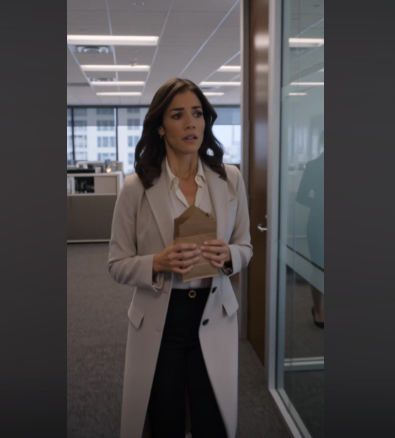
My sister stole my fiancé and married him because he had potential. Years later, she lost everything
My sister stole my fiancé and married him because he ‘had potential’. Years later, she lost everything and I have the life she wanted.
My sister stole my fiancé and married him because she thought he was going somewhere.
Years later, she lost almost everything.
And somehow, without planning it, I ended up with the life she had wanted all along.
But that isn’t where the story begins.
It begins with me believing that getting engaged meant my life had finally fallen into place.
I was thirty-one.
I worked as a marketing manager for a mid-sized company in a coastal city on the East Coast. I had my own apartment, which I could barely afford but loved anyway, and a fiancé who looked good in photographs and knew exactly what to say in front of my parents.
On paper, I had checked all the boxes.
Career.
Apartment.
Engagement ring.
A respectable man.
My mother treated the whole thing like proof that she had successfully launched me into adulthood.
I met him at a charity gala.
One of those slightly self-important events where everyone drinks sparkling water from thin glasses and poses beside banners about changing the world.
A college friend invited me because she promised good networking and decent food.
Mostly, I went because I was tired of eating frozen dinners alone in sweatpants.
He was a consultant.
The kind of man who could use the word strategy three times in a conversation and somehow make it sound important.
But he listened when I spoke.
Really listened—or at least I thought he did.
He asked about my work.
Remembered details.
Looked at me as though what I said mattered.
Looking back, it embarrasses me a little that ordinary emotional competence felt extraordinary.
But it did.
We started dating after that night.
Slowly at first.
Then steadily.
Weekend trips to rented cabins.
Quiet restaurants with folded cloth napkins.
Walks along the water when the weather cooperated.
Every time my mother heard his name, she sounded more relieved.
Four months in, I brought him home.
My mother practically staged a parade.
She made appetizers no one had asked for.
Opened wine.
Kept smoothing her hair as though someone might interview her about my boyfriend.
My father shook his hand and gave him the approving nod fathers reserve for men who appear unlikely to embarrass them at dinner.
Then my sister arrived late.
Of course she did.
She was two years younger than I was and had spent most of our lives turning everything into a competition I never remembered agreeing to enter.
If I earned good grades, she needed better ones.
If I joined a club, hers had to be more impressive.
If I dated someone, she became unusually charming around him.
Never enough to create an open fight.
Just enough to make me feel crazy if I mentioned it.
That night, she walked into my parents’ living room, saw my boyfriend beside me, and switched on the smile.
The bright one.
The polished one.
The smile she used when she wanted to be remembered.
She hugged me.
Then him.
Complimented his shirt.
Sat across from us with her legs crossed like she had been positioned by a photographer.
Every time he made a joke, she laughed slightly too hard.
Once, she touched his forearm.
I noticed.
Then I told myself not to.
I was thirty-one years old.
She was twenty-nine.
Surely we were past teenage rivalry.
Surely I could trust my own sister.
Surely I could trust the man I loved.
So I did.
Sixteen months after we met, he proposed.
Private dining room.
Water view.
Big ring.
Speech about the future.
Even the restaurant staff applauded.
My mother cried when I called.
My father told me he was proud of me as though I had completed graduate school.
Within twenty-four hours, my mother had notebooks on the kitchen table.
Flowers.
Colors.
Venues.
Guest lists.
I still suspect she had been preparing those notebooks for years.
Then came the maid of honor.
I asked my sister.
It feels absurd now, but at the time I thought it might heal something between us.
We had never been the kind of sisters who borrowed each other’s clothes or stayed up crying over boys.
We were more like two people who shared a hallway for eighteen years and learned how not to set each other on fire.
Still, adulthood was supposed to improve people.
We had careers.
Bills.
Responsibilities.
Maybe life had finally knocked the competition out of us.
I brought a small box to my parents’ kitchen.
Inside was a bracelet and one of those embarrassingly sentimental cards about standing beside me on the most important day of my life.
She opened it.
For half a second, something crossed her face.
Not happiness.
Irritation.
Then it vanished.
She smiled.
“Of course.”
My mother clapped.
My father said something about how good it was to see his daughters united.
I believed the performance because I wanted to.
Three months before the wedding, things started changing.
My fiancé became busy.
Not ordinary busy.
Conveniently busy.
Client emergencies appeared every time we had plans.
Late meetings.
Weekend reports.
Last-minute calls.
Whenever I tried to discuss the honeymoon, he seemed distracted.
Then he started criticizing me.
Small things.
That was what made it effective.
Nothing large enough to defend myself against without looking overly sensitive.
“That isn’t exactly what happened.”
“You’re remembering it wrong.”
“You get worked up too easily.”
“You should watch your body language when you’re uncomfortable.”
Always with the same amused expression.
Always wrapped in concern.
Just trying to help.
Meanwhile, my sister became indispensable to the wedding.
She called constantly.
Flowers.
Dresses.
Music.
Seating.
Vendors.
She came to appointments and sometimes spoke over me as though she were the bride.
Then she began volunteering to help him.
“He looks overwhelmed,” she would say.
“Poor guy.”
One evening, I was at his apartment sorting paperwork.
I leaned across the table to hand him a folder.
That was when I smelled perfume.
Floral.
Sharp.
Strong.
Not mine.
I had worn the same light fragrance for years.
I knew what belonged on his clothes.
This didn’t.
“What’s that smell?”
He sniffed his shirt.
Frowned.
Then snapped his fingers.
“Oh. An investor hugged me today. She wears way too much perfume.”
He smiled.
“That must be it.”
I stared at him.
It was plausible.
That was the problem.
Most lies are plausible when you desperately want them to be true.
A thought appeared.
Does my sister wear floral perfume?
I pushed it away.
A week later, I found her earring in his car.
Silver.
Simple.
Familiar.
I had watched her wear the pair at family dinners for years.
I held it between two fingers.
“Whose is this?”
He barely looked.
“Your sister’s.”
Too fast.
“Why is my sister’s earring in your car?”
“Her car was in the shop last week, remember? I gave her a ride.”
I did not remember.
The next day, I asked her casually.
We were sitting at my parents’ dining table pretending we had become close.
“I found one of your earrings in his car.”
She didn’t blink.
“Oh, yeah.”
Same tone.
“My car was acting up. He gave me a ride.”
She shrugged.
“Must’ve fallen out.”
Same explanation.
Almost the same words.
It felt rehearsed.
That was when my body understood before my mind did.
I stopped sleeping properly.
Stopped eating.
Lost seven pounds in three weeks.
Coffee kept me upright but couldn’t quiet my brain.
At night, I replayed every interaction between them.
Every laugh.
Every touch.
Every time my sister had defended him.
Every time he had told me I was overreacting.
I went back to therapy.
My therapist used words like hypervigilance and trauma response.
I nodded while thinking:
Or maybe everyone is lying to me.
My boss told me I looked tired.
I blamed wedding stress.
People accepted that answer because wedding stress is socially convenient.
Then one night, everything cracked.
There had been a family gathering at my parents’ house.
It got late, so my father insisted we stay.
My fiancé agreed because he had an early meeting nearby the next morning.
We slept in my childhood bedroom.
The same room where I had once taped magazine pages to the wall and cried over high-school boys.
At around three in the morning, I woke up.
I reached across the bed.
Empty.
The bathroom was dark.
I listened.
Nothing.
Then faint voices down the hallway.
I got up.
Barefoot.
The house was familiar enough that I could have walked it blind.
I followed the voices to the guest room.
The door was slightly open.
His voice came first.
Low.
Soothing.
Then my sister.
Soft.
Intimate.
He said something about getting up early.
Something about sleeping separately so he wouldn’t wake me.
She laughed.
I pushed open the door.
There they were.
He sat on the edge of the bed.
My sister stood close.
Too close.
Her hand rested on his shoulder.
Their faces were inches apart.
They jumped.
Actually jumped.
Like teenagers caught sneaking around.
“We were just talking,” my sister said.
Then she rolled her eyes.
As though I was embarrassing everyone.
I looked at him.
He stood.
“We couldn’t sleep.”
His hands went up.
“We were talking about the wedding.”
“I didn’t want to wake you.”
Something inside me simply shut off.
I turned around.
Went back to my room.
Locked the door.
Stared at the wall until morning.
And somehow, by sunrise, I had convinced myself it might really have been innocent.
I know.
Believe me.
No one judges that woman more harshly than I do.
But denial is powerful when accepting the truth means detonating your entire future.
A few days later, I decided to surprise him at work with lunch.
Apparently, I was still committed to being the thoughtful fiancée who brought sandwiches to a stressed man in a button-down shirt.
I picked up his favorite order.
Went to his office during my lunch break.
The moment his assistant saw me, she looked nervous.
Too bright a smile.
Too quick.
“He’s in a very important meeting.”
“I’ll wait.”
“It could be a while.”
“That’s okay.”
“Maybe you should reschedule.”
That should have been enough.
But stubbornness sometimes looks like hope.
She left the reception desk briefly.
I stood alone in the hallway holding a paper bag.
Then I heard laughter.
My sister’s laugh.
The office door was slightly open.
Of course it was.
I pushed it.
My fiancé stood behind his desk.
My sister sat on the edge of it.
His hand was on her waist.
Her hand was gripping his tie.
And they were kissing.
Not almost kissing.
Not talking too closely.
Not stumbling into a misunderstanding.
Kissing.
Comfortably.
Familiarly.
Like people who had done it before.
I stood there holding sandwiches.
No one moved.
Finally, my sister pulled away.
Wiped her mouth.
And had the nerve to look annoyed.
“Okay,” I said.
I have no idea why.
But that was the first word.
Okay.
My sister straightened her shirt.
“You were going to find out eventually.”
She stepped toward me.
“Honestly, this is probably better.”
My fiancé started the sentence every cheating man apparently receives at orientation.
“Kendra, it’s not what you think.”
I laughed.
I actually laughed.
“Not what I think?”
My voice sounded strange.
“You’re kissing my sister in your office while I’m bringing you lunch.”
I lifted the bag slightly.
“What interpretation would you prefer?”
My sister folded her arms.
“We’ve been seeing each other.”
The room tilted.
“For how long?”
Neither answered immediately.
“Since before the engagement party,” she said.
Then he corrected her.
“Five months.”
Five months.
While I tried on dresses.
While my mother chose centerpieces.
While my sister helped plan my wedding.
While I smelled perfume.
Found the earring.
Lost sleep.
Lost weight.
Wondered whether I was becoming paranoid.
Five months.
“I’m leaving.”
My voice sounded far away.
“Don’t follow me.”
He moved around the desk.
“Kendra—”
I stepped back.
“Don’t touch me.”
My sister opened her mouth.
I shook my head.
There was nothing she could say that I needed to hear.
I walked out.
Past his assistant, who couldn’t meet my eyes.
Through the lobby.
Into the parking lot.
I made it to my car before my body gave up.
I dropped the lunch bag.
Hot sauce spilled across the pavement.
I remember staring at it while I cried because it looked absurdly like blood in a cheap movie.
Then I slid down beside the car.
Full-body sobs.
Couldn’t breathe.
Couldn’t see properly.
A stranger asked whether I was okay.
I said yes.
Because apparently women will insist they’re fine even while disintegrating in parking lots.
Eventually, I got into the car.
Locked the doors.
My phone buzzed continuously.
I wrote my sister a message.
Long.
Brutal.
Every betrayal listed.
Every ugly thought.
I deleted it.
Wrote another.
Deleted that too.
I probably composed twelve versions.
Never sent one.
Part of me regrets that.
Anger wanted the satisfaction.
The rest of me knows I would have hated myself afterward.
When I reached my apartment, I walked straight into the bathroom.
Turned on the shower.
Sat down under the water fully dressed.
It was melodramatic.
I didn’t care.
I stayed until the water went cold.
Then collapsed onto the bath mat.
That was where my parents found me.
My mother had been calling.
When I didn’t answer, she and my father used their spare key.
My mother screamed when she saw me.
For one second, she thought I had done something terrible to myself.
Something terrible had happened.
Just not what she imagined.
They wrapped me in towels.
Sat me on the couch.
Eventually, I told them.
The office.
The kiss.
Five months.
My father’s face turned dark red.
He started talking about going over there.
My mother grabbed his arm.
“Getting arrested won’t help her.”
Then she switched into crisis mode.
Phones.
Lists.
Vendors.
Cancellations.
She became frighteningly efficient while I sat shaking beneath a blanket.
The ring went back the next day.
Not personally.
I put it in the box.
Wrote:
We’re done.
Then left it with his doorman.
He called seven times.
I deleted the voicemails without listening.
The social fallout was almost as ugly as the betrayal.
Some people supported me.
Several said they had always suspected something.
I hated those people almost as much as I appreciated them.
Others announced they were staying neutral.
Neutrality is often cowardice with better branding.
One woman I considered a close friend wrote:
I really don’t want to get involved.
As though my fiancé sleeping with my sister was a disagreement over a parking space.
The worst part was learning how many people had noticed.
“They always flirted.”
“They were really comfortable together.”
“We assumed it was harmless.”
So apparently everyone had watched the slow-motion collision except me.
Then one of the wedding vendors called my mother.
My sister had contacted them.
She wanted to know whether the arrangements could still be used.
Same general theme.
Same vendors.
Different bride.
My mother told me like she was delivering a weather update.
I had to leave the room.
The idea of my sister stepping into the wedding I had planned as though she were simply replacing a name on a form made me physically ill.
My mother eventually insisted on a family dinner.
She said we needed to talk.
My father sat at the head of the table gripping his fork like a weapon.
I stared at my plate.
My sister came in wearing an expression that was half guilt and half defiance.
At some point, everything exploded.
She slammed down her fork.
“For once, I got something before you.”
The room went silent.
“What?”
“You’ve always had everything.”
Her voice rose.
“I was supposed to stand on the sidelines and applaud while you got the good grades, the career, the engagement, everything.”
I stared at her.
“You slept with my fiancé because you wanted to beat me?”
“That’s not what I said.”
“That is exactly what you said.”
She stood.
“For once I chose what I wanted.”
“You chose my fiancé.”
My mother started crying.
My father began yelling.
And I sat there thinking:
This is what my family thinks love looks like.
The months afterward were miserable in the least cinematic way possible.
Therapy.
Work.
Crying in the shower.
Checking social media even though I knew I shouldn’t.
Watching them become official.
Reading congratulations beneath their photographs.
People behaving as though they were some unexpected love story instead of two people who had used me as the bridge between them.
I found out they married from a social-media photo.
A neighbor tagged them.
Civil ceremony.
My sister in white.
My ex beside her.
My mother called afterward.
She hadn’t known it would happen that quickly.
She had asked them to wait.
That didn’t help.
My work suffered.
Badly.
Ten minutes before a major client presentation, I broke down in the bathroom.
Then gave the pitch anyway.
Red eyes.
Shaking hands.
We lost the account.
My boss called me into a conference room.
“Kendra, do you need leave?”
I told her no.
Then one night, after drinking an entire bottle of wine alone, I understood something.
If I stayed in that city, I was going to disappear.
Not physically.
Piece by piece.
The restaurant where he proposed.
The streets where my sister and I once took smiling photographs.
His office building.
My parents’ neighborhood.
Everything belonged to the story.
Around then, a position opened at another branch of my company.
Middle of the country.
More responsibility.
Better salary.
The previous manager had resigned suddenly.
My boss mentioned it carefully.
“You’d be good at it.”
My mother worried I was running away.
“You’ll still have the memories.”
“I know.”
“You’ll still hurt.”
“I know.”
She turned her spoon over in her tea.
“Then what changes?”
“I won’t run into them at the grocery store.”
For me, that was enough.
I applied.
Got the job.
Packed my apartment.
On the final night, I made one mistake.
I opened my sister’s social-media profile.
There she was.
White dress.
My ex beside her.
That same confident smile he wore when he put my ring on my hand.
I closed the app.
Turned off my phone.
And told myself something I should have said months earlier.
That life is dead.
Moving felt like entering a parallel universe.
No one in my new city knew I was the woman whose sister married her fiancé.
No one watched my face for signs of collapse.
I rented a small apartment near work.
Worked harder than I ever had.
People praised my dedication.
They had no idea work was simply the one place my past couldn’t reach me.
A woman in human resources adopted me into her book club.
I resisted.
She ignored me.
Eventually, I went.
It was good for me.
I gave my mother one rule.
No updates about my sister.
Unless there was an emergency, I did not want to hear her name.
My mother struggled at first.
“She and her husband are taking a trip—”
“Mom.”
“I was just saying—”
“Stop.”
The first time she ignored the boundary, I yelled.
Then hung up.
Then sat on my kitchen floor and cried because I hated speaking to my mother that way.
But I hated being dragged back into that life more.
I blocked my sister.
Blocked my ex.
Deleted numbers.
Removed mutual friends who insisted on giving me updates.
Some called me extreme.
I stopped explaining.
Every now and then, the past ambushed me anyway.
A colleague wore sharp floral perfume into a meeting.
One breath and I was back beside my ex’s shirt.
I had to hide in the restroom until my hands stopped shaking.
My therapist told me healing wasn’t supposed to look graceful.
At the time, I thought I was mostly surviving.
Four months after I moved, work sent me to a regional conference.
Panels.
Networking.
Business cards.
Bad coffee.
On the first night, there was an assigned dinner.
I ended up seated beside a man who had recently transferred from another branch.
He wasn’t flashy.
Didn’t dominate the conversation.
Didn’t seem to need people watching him.
He asked about my work.
Then listened.
We talked about projects.
Then books.
Movies.
Strange things managers say during performance reviews.
He made me laugh.
Actually laugh.
When dinner ended, he asked for my card.
“I’ll send you that report I mentioned.”
“Sure.”
He did.
We began exchanging work messages.
Then articles.
Ideas.
Occasional jokes.
It remained professional for a while.
But there was warmth there.
My friend from HR noticed first.
She saw his name on my phone.
“He likes you.”
“He’s friendly.”
She gave me a look.
Several months later, he asked me to dinner while he was in town.
I stared at the message for ten minutes.
Then said yes.
We met at a small restaurant near my apartment.
Nothing elaborate.
I wore jeans and a nice top.
The goal was to look as though I had made an effort without admitting that I had made an effort.
Conversation was easy.
Work.
Office gossip.
Books.
Movies.
Childhood.
For nearly an hour, I forgot to protect myself.
Then he asked:
“Did you always live on the East Coast before moving here?”
Completely innocent.
My body didn’t care.
The room shifted.
My chest tightened.
My hands began shaking.
I reached for water.
The glass hit my teeth.
“Hey.”
He noticed immediately.
“Are you okay?”
I tried to say yes.
Nothing came out properly.
My breathing sped up.
Then disappeared.
Full panic attack.
Tunnel vision.
Ringing ears.
Sounds coming out of me that didn’t feel human.
He didn’t panic.
That is what I remember most.
He lowered his voice.
“Look at me.”
I couldn’t.
“That’s okay.”
He stayed calm.
“Just listen.”
Then he breathed slowly.
“In.”
Pause.
“Out.”
Again.
He counted with me until my body began returning.
Then he asked:
“Do you want to leave?”
I nodded.
He paid.
No argument.
No guilt.
Walked me to my car.
“Are you safe to drive?”
“Yes.”
“Do you want me to take you?”
“No.”
“All right.”
No pressure.
The next morning, flowers arrived at work.
Small arrangement.
Nothing romantic or dramatic.
The card said:
No pressure. I hope you’re okay.
I stared at it most of the day.
That night, I called him.
And told him everything.
Perfume.
Earring.
Guest room.
Office kiss.
Wedding.
Sister.
All of it.
I cried.
Apologized for crying.
Then apologized for apologizing.
He listened.
When I finished, he told me about his ex-wife.
She had left him for a colleague.
Same department.
Same office.
He told me what it was like to walk into a break room and hear conversations stop.
To know people had chosen sides.
To lose a marriage and part of his professional identity at the same time.
There was something terrible and comforting about being understood by someone who had also discovered they were losing a competition they didn’t know existed.
We moved slowly after that.
Very slowly.
He never flooded me with messages.
Never pushed.
He was simply consistent.
If he said he would call, he called.
If I said I needed space, he respected it.
Once, he introduced me to his sister on a video call.
No performance.
No audition.
Just:
“This is my sister.”
His sister said hello.
That was it.
Then, one day, he disappeared.
Hours passed without a response.
My brain went wild.
I knew intellectually that healthy adults sometimes get busy.
My body remembered betrayal.
By evening, I had convinced myself history was repeating.
Then he called.
His mother had been rushed to a hospital in another city.
He had boarded the first flight.
His phone died.
He sounded exhausted.
I could have pretended it was fine.
Instead, I told him the truth.
“When you disappear without saying anything, even for a good reason, it hits something in me.”
He stayed quiet.
“I know it isn’t rational.”
“It doesn’t have to be rational.”
“I felt like the floor disappeared again.”
“I’m sorry.”
I waited for the defense.
It never came.
“I should have found a charger.”
He exhaled.
“Or borrowed someone’s phone.”
Then:
“I understand why it scared you. I’ll do better.”
That conversation mattered more than a hundred romantic speeches.
Because he made a mistake.
And he didn’t make me the problem for reacting to it.
A year after I moved, I was promoted to director.
A real director.
Not the kind where someone changes your email signature and gives you more work without more authority.
The old version of me would have called my mother screaming with excitement.
Instead, I sat in my office for a few minutes.
Proud.
Sad.
Both.
Life became larger.
Book club.
Friends.
Work.
My relationship.
Community events.
People who knew me without knowing the scandal first.
My parents visited.
My mother complained very gently about how far I lived from the ocean.
My father liked my partner immediately.
He was relieved, I think, that he wasn’t flashy.
But my sister remained a shadow.
My mother slipped sometimes.
“Your sister and her husband bought—”
“Mom.”
Or:
“They went on this beautiful—”
“Please stop.”
Eventually, she learned.
Then my partner suggested a weekend away.
Small town.
Vineyards.
Quiet streets.
An inn with string lights in the garden.
On the second evening, he became visibly nervous.
That should have warned me.
Then he reached into his pocket.
Ring.
My entire body locked.
For a second, I was back beside the water with my first fiancé.
A ring.
A speech.
A promise already being betrayed.
Then I looked at the man in front of me.
Not him.
This man had sat through panic attacks.
He had listened to ugly stories.
He had apologized when he was wrong.
He had never made me compete for basic consideration.
“Will you marry me?”
I breathed.
And for the first time, yes felt like a decision I was making.
Not a role I was performing.
“Yes.”
Our wedding had thirty people.
No ballroom.
No production.
Coworkers who had become real friends.
His sister.
My parents.
We wrote our vows.
We had dinner afterward.
People actually spoke to one another instead of posing for photographs.
My mother begged me to invite my sister.
“Just as a gesture.”
I eventually did.
Mostly for my mother.
My sister replied that she had a scheduling conflict.
She wished us well.
I was relieved.
We bought a modest house.
Two bedrooms plus an office.
Nothing impressive.
We painted the walls ourselves.
Argued about furniture.
Laughed later.
It was boring.
I mean that as the highest compliment.
Months into the marriage, we had dinner with some of my husband’s colleagues.
Someone mentioned an old account.
Big account.
Brutal competition.
They joked about how my husband had taken it from another consultant years earlier.
He laughed awkwardly.
Changed the subject.
On the drive home, I asked.
“What was that about?”
He hesitated.
My stomach tightened.
“You know how small the industry is.”
“What does that mean?”
He exhaled.
“The account was your ex’s.”
I turned toward him.
“What?”
“He had been working them for months.”
My husband kept his eyes on the road.
“I came in late with another strategy.”
“And won.”
“Yes.”
My chest felt heavy.
“You knew this whole time?”
“Yes.”
“Why didn’t you tell me?”
“Because I didn’t want you to choose me because I happened to beat him.”
“That wasn’t your decision to make.”
“I know.”
“No, apparently you don’t.”
We fought.
Not screaming.
But real.
Raised voices.
Hurt.
I told him hiding it made me wonder what else he considered acceptable to keep from me.
He said he had been terrified our relationship would become some revenge story.
That I would look at him and see only the man who defeated my ex.
“I wanted you to choose me.”
“I did choose you.”
“I know.”
“Then you should have trusted that.”
We saw a counselor.
A few sessions.
Humbling.
Sitting in a room discussing a client account that existed before we even met.
But it helped.
We agreed on something simple.
No deciding for the other person what information mattered.
Transparency even when it was uncomfortable.
Around the same time, we started trying for a baby.
That didn’t go as smoothly.
Month after month.
Negative tests.
I had always had painful periods.
Ignored them.
Eventually, a specialist diagnosed mild endometriosis.
Treatable.
But complicated.
Then my mother called.
Her voice scared me immediately.
Too controlled.
“Kendra, I went to the doctor.”
She had been having back pain.
Indigestion.
Weight loss.
For months.
She hadn’t told us.
The diagnosis was pancreatic cancer.
Advanced.
It had already spread.
I flew home with my husband.
Walking into my parents’ house felt like stepping into a preserved version of my old life.
Same furniture.
Same photographs.
Same kitchen.
But my mother looked smaller.
Dimmer.
The doctors were honest.
Treatment might slow things down.
There would be no cure.
My mother made jokes.
She talked about finally achieving dramatic weight loss without paying for one of those ridiculous programs.
At night, I heard her crying in the bedroom.
I took leave from work.
Moved back temporarily.
My husband traveled back and forth as much as he could.
I made bland soups.
Adjusted pillows.
Managed medication schedules.
Listened to the same stories repeatedly because some days the drugs made her forget she had already told them.
One afternoon, she took my hand.
Her grip was surprisingly strong.
“I made mistakes with you girls.”
I froze.
“Mom.”
“I did.”
Her eyes filled.
“I thought I was keeping peace.”
She swallowed.
“But sometimes I let things happen because I didn’t want the fight.”
I said nothing.
“I should have protected you better.”
My throat tightened.
“You can’t fix all of that now.”
“I know.”
Her voice was barely audible.
“But when I’m gone…”
I knew what was coming.
“Please try not to hate each other.”
I could not promise what she wanted.
So I gave her the closest truth I had.
“I’ll try not to let hatred control me.”
She nodded.
That was enough.
She died three days later.
Early morning.
My father.
My husband.
Me.
And my brother-in-law—my former fiancé—were there.
When my mother stopped breathing, my father made a sound I had never heard from another human being.
Half cry.
Half roar.
It felt like the last rope connecting me to the family I had once known had snapped.
I texted my sister.
Mom is gone. We’re at the house.
She arrived faster than I expected.
With him.
She hugged our father.
Then me.
For half a second, my body remembered being a child.
Remembered sisters before everything became a contest.
Then my muscles tightened and I stepped away.
We handled the arrangements together because death is extremely practical.
Casket.
Flowers.
Music.
Obituary.
Phone calls.
Funeral home.
No one gives you time to process grief because someone always needs a decision about stationery.
The funeral day brought cold rain.
The chapel filled.
Neighbors.
Old friends.
People I barely remembered.
I stayed close to my father.
My sister and my ex sat several rows away.
People whispered.
Of course they did.
A woman who had refused to “get involved” years earlier hugged me and said how sorry she was.
She had attended their wedding.
I thanked her.
A funeral is a poor place to prosecute old hypocrisy.
Before the service, my sister pulled my sleeve.
“Can we talk?”
“No.”
“Kendra.”
I looked at my father.
Red eyes.
Exhausted.
He looked terrified his daughters might start screaming beside his wife’s casket.
“Fine.”
My sister led me into a side room.
My ex followed.
Of course.
She looked at me with that same carefully gentle expression I remembered.
“You look tired.”
I almost laughed.
“Have you been taking care of yourself?”
“Yes.”
“I worry about you being so far away.”
“I’m not alone.”
She glanced at my ring.
“I know.”
Then:
“I mean emotionally.”
There it was.
The old game.
Elevate herself.
Reduce me.
Make me react.
My phone buzzed.
My husband.
I typed:
Please come here. Now.
He arrived a few minutes later.
Walked directly toward me.
The second my ex saw him, his face changed.
Completely.
My sister noticed.
“You know each other?”
My husband was calm.
“We crossed paths professionally.”
My ex cleared his throat.
“We competed for an account.”
“He undercut me.”
My husband almost smiled.
“I gave them a better strategy.”
“They chose it.”
The room became very still.
I watched my sister’s expression.
She knew the story.
Apparently my ex had complained for years about the account that was stolen from him.
The competitor who came in late and won the business.
Now she looked from my husband to me.
Then said his company’s name.
The realization landed.
“Funny how life works,” I said.
The story spread quickly.
Gossip has a physical presence.
People cluster.
Glance.
Pretend not to.
Then my father nearly collapsed.
His face went gray.
Hand to chest.
For several horrifying minutes, everyone thought he was having a heart attack.
One of the neighbors’ sons was a doctor.
He checked him.
Panic attack.
We sat my father down.
Gave him water.
I held his hand while he cried.
Afterward, my sister and I ended up alone briefly.
She looked shaken.
Not only because of Dad.
Because the life she thought I had lost had somehow continued without her.
“You really moved on.”
Her voice was low.
I looked at her.
“You got the career.”
“The promotion.”
She swallowed.
“The husband who wins the big accounts.”
I stared.
“And you got the man you wanted so badly you were willing to blow up the family for him.”
My voice was calmer than I expected.
“How’s that working out?”
She flinched.
For the first time, I saw a crack.
After the burial, we returned to my parents’ house.
Too many people.
Too much food.
Everyone speaking too loudly because silence after a funeral scares people.
My ex drank heavily.
Tie loosened.
Laughing too hard.
My sister moved around him like someone waiting for a glass to fall off a table.
The next day, she came back alone.
She asked to speak privately.
We went upstairs to my childhood bedroom.
Because apparently trauma enjoys symmetry.
She shut the door.
Then leaned against it.
“I’m not happy.”
No warm-up.
Nothing.
I sat on the edge of the bed.
“He controls everything.”
I stayed quiet.
“He criticizes me.”
“Everything I wear.”
“What I spend.”
“Who I talk to.”
“He monitors my money, but he’s the one borrowing to keep up appearances.”
She laughed bitterly.
“We’re drowning.”
I looked at her.
For the first time in years, I saw something beyond the sister who betrayed me.
A woman.
Exhausted.
Trapped.
A woman who had won exactly what she wanted.
“I met with a lawyer.”
“And?”
“It’s complicated.”
She looked down.
“I signed a prenup.”
I almost smiled at the absurdity.
“I barely read it.”
“Why?”
Her eyes came back to mine.
“Because I was so focused on beating you to the altar.”
There it was.
The truth.
Finally.
“I won’t get the house.”
She wiped her face.
“I won’t get much money.”
I said nothing.
“But I’ll get freedom.”
“That’s still something.”
She laughed.
“You must love this.”
“No.”
“Karma?”
I looked at her carefully.
“No.”
Her expression shifted.
“I’m not happy this happened to you.”
Hope appeared.
“But I’m not sad either.”
Gone.
“You knew exactly what you were doing.”
“Kendra—”
“You humiliated me.”
My voice stayed steady.
“You helped destroy our family.”
“You slept with the man I was going to marry while helping me plan the wedding.”
She looked down.
“And now you’ve discovered he’s exactly the kind of man who cheats, controls, criticizes, and lies.”
I stood.
“You knew he was trash when you took him.”
She began crying.
“What do you want me to say?”
“Nothing.”
I felt strangely light.
“For years, I thought being your sister meant I eventually had to forgive you.”
Her face crumpled.
“I don’t.”
“What?”
“You don’t get my forgiveness because we share parents.”
I held up my hand before she could interrupt.
“You don’t get pity either.”
“Kendra, please.”
“You get exactly what you earned from me.”
I looked at her.
“Nothing.”
Her crying became ugly.
Ragged.
Familiar.
Once, when we were children, that sound would make my parents run toward her.
It didn’t move me anymore.
“I need to help Dad.”
I opened the door.
“You should go.”
She wiped her face.
“So that’s it?”
I stopped.
“You’re just done with me?”
I looked back.
“I was done the day I walked into that office and saw you on his desk.”
I paused.
“I just spent years refusing to admit it.”
“Mom wanted us to try.”
“I did try.”
My voice softened.
“But trying not to hate you doesn’t mean I owe you a place in my life.”
I left her crying in the room.
For the rest of the week, we communicated like coworkers forced onto the same terrible project.
Flowers.
Documents.
Schedules.
Everything through Dad when possible.
Then I flew home.
I carried a small box of my mother’s belongings.
And something else.
Closure.
Not happiness.
Not forgiveness.
Just clarity.
A few weeks later, while my husband and I were preparing to discuss fertility treatments, my period didn’t come.
I blamed stress.
Then another week passed.
I took a pregnancy test.
Sat on the bathroom floor staring at the little window as though it might insult me personally.
Positive.
I laughed.
Then cried.
Then laughed again.
Apparently my body had decided that after a funeral, a family implosion, fertility appointments, and years of emotional damage, now would be an excellent time to cooperate.
Telling my husband remains one of the purest moments of my life.
Just us.
Our house.
A tiny piece of happiness between us.
I told my father next.
He cried.
Good tears.
“Your mother would have loved this.”
“I know.”
I did not tell my sister.
She did not belong in that moment.
Dad accidentally told her later.
He apparently said something about being excited to become a grandfather.
My sister texted.
Congratulations. I’m happy for you.
I read it.
Felt almost nothing.
Deleted it.
Didn’t reply.
I didn’t block her.
Blocking would have required giving the contact emotional importance.
I simply stopped responding.
Months later, Dad told me she had finally left my ex.
The divorce was ugly.
She lost the house.
Lost most of the lifestyle.
Lost friends.
Moved into a small apartment.
Found a regular job.
My father told me all of this in the tone of someone hoping hardship would awaken mercy.
I listened.
Then said:
“Good.”
He looked disappointed.
“She wanted him badly enough to destroy everything.”
I shrugged.
“Now she knows what he was worth.”
She tried contacting me several times over the next year.
Messages.
A Christmas card.
Once, she tried coming to Dad’s while I was visiting.
I left through the back door.
We do not speak.
Not occasionally.
Not on holidays.
Not at all.
Dad asked whether she could meet the baby.
“No.”
He asked again.
“No.”
A third time.
“Dad, stop.”
He stopped.
She receives no photographs.
No updates.
She eventually learned details accidentally through him.
That is not punishment.
It is simply the shape of my life now.
She is outside it.
I still react to floral perfume sometimes.
My shoulders tighten before my mind catches up.
But it no longer makes me think primarily of my sister.
It makes me remember the woman I used to be.
The woman who smelled another woman on her fiancé’s shirt and apologized to herself for noticing.
That woman is gone.
I listen to myself now.
That may be the biggest thing I gained.
Because if my sister and my ex had never betrayed me, I probably would have married him.
I would have stayed in that coastal city.
Probably bought the kind of house my parents admired.
Had children with a man who corrected me in front of people and flirted whenever someone attractive laughed at his jokes.
I would have kept making myself smaller.
Kept smoothing over problems.
Kept performing peace.
Instead, everything broke.
So I moved.
Broke again.
Rebuilt.
Fell apart.
Rebuilt again.
Eventually, I stopped asking which version of myself I was trying to recover.
I created someone new.
I have a career I earned.
A husband who notices when my chest tightens and tries to help instead of causing it.
A child who will grow up in a house where love is not a competition.
That does not mean I am perfectly healed.
I still have dreams about walking into that office carrying sandwiches.
Sometimes I wake angry.
Sometimes grief appears from nowhere.
Healing is not a straight road.
It is more like a spiral.
You pass the same places again.
Just from farther away.
People sometimes ask whether my sister stole my man.
No.
Not anymore.
That is not how I see it.
She took out the trash for me.
Then married it.
She wanted to win so badly that she picked up a bomb because she thought it was a trophy.
That was her choice.
I didn’t engineer her unhappy marriage.
I didn’t cause her divorce.
I didn’t take her house.
I didn’t destroy her finances.
She made decisions.
Then lived inside them.
And despite what people like to call karma, my life isn’t satisfying because hers became difficult.
My life is satisfying because it became mine.
That difference matters.
I don’t want my ex back.
I don’t want my sister back.
I don’t need apologies from either one.
All I want is distance.
People like stories where everything gets wrapped beautifully at the end.
Everyone forgives.
Everyone grows.
The family reunites at Christmas.
That isn’t my story.
I still get tense when unknown numbers call.
Sometimes, while feeding my baby at three in the morning, I remember myself on that bathroom floor years ago.
Soaked.
Mascara running.
Convinced my life would never feel normal again.
If I could sit beside that woman now, I wouldn’t tell her to be strong.
She already was.
I would tell her something else.
You are allowed to let broken things stay broken.
You are allowed to stop rebuilding something that was never safe enough to live inside.
Dad occasionally tests the boundary.
A small comment about my sister.
I stop him.
He has learned.
When he visits me, he doesn’t talk about her.
When he visits her, I assume he doesn’t talk about me.
If something happens to Dad someday, I’ll handle what needs handling.
If my sister and I must communicate, lawyers exist.
Practical arrangements exist.
Shared grief does not require shared intimacy.
People ask whether I hate her.
No.
Hate requires energy.
What I feel now is colder.
Indifference.
She is someone I used to know.
Someone who made one of the worst choices possible.
Someone living somewhere with the consequences.
I live with mine too.
Mine simply led somewhere better.
I used to believe forgiveness was mandatory if you wanted to be considered healed.
I don’t anymore.
Some people want to repair what broke.
Good for them.
I don’t.
I want this relationship to remain buried with the life she helped destroy.
That does not make me consumed by anger.
Actually, it gives anger somewhere to stop.
There was a version of me who could have spent the rest of her life measuring every good thing against them.
Every promotion:
I hope she hears about this.
Every anniversary:
I hope he regrets leaving me.
Every photograph:
I hope they see how happy I am.
For a while, I was close to becoming that person.
It felt safe.
If I stayed angry, I never had to fully turn away.
If I kept looking backward, I wouldn’t risk trusting anything in front of me.
But the life I built gradually became bigger than the betrayal.
There was room for rage.
Then room beside it.
Room for work.
Friends.
A husband making terrible jokes while assembling furniture.
A baby wrapping tiny fingers around one of mine.
Ordinary mornings.
Laundry.
Coffee.
Bills.
Joy that didn’t require an audience.
The worst thing that happened to me tried very hard to convince me it would be the defining thing that happened to me.
It wasn’t.
I am not the woman standing in an office doorway holding a paper bag.
I am not the woman crying under cold shower water.
I am not the woman refreshing social media to see whether her sister looks happier.
I am the woman who moved.
Took the promotion.
Went to dinner even though dating terrified her.
Had a panic attack in front of a man who stayed.
Said yes to marriage a second time while fully understanding how badly marriage could go.
I am the woman who looked her sister in the face and admitted that some things cannot be repaired simply because the person who broke them is finally sorry.
If you want a moral, I don’t have a neat one.
Life never sorted us into clean categories.
My sister isn’t a cartoon villain.
She is a woman who competed so hard she destroyed something she could never rebuild.
My ex is probably still somewhere using words like strategy in networking conversations.
My father is learning to live alone in a house filled with my mother’s things.
And I am here.
In the middle of the country.
Learning how joy and pain can live in the same day.
What I know is this:
If someone shows you they are willing to climb over your body to reach something they want, believe them.
Do not build your life around the hope that they will suddenly develop a conscience at the exact moment you need one.
And when family repeatedly proves that your pain matters less than keeping the peace, you are allowed to step away.
People say blood is thicker than water as though that settles every argument.
You can drown in either.
I’m not interested in drowning anymore.
I chose dry land.
I chose my husband.
My child.
My work.
My home.
My instincts.
Myself.
My sister receives no long letter.
No final speech.
No carefully worded forgiveness.
No update designed to show her what she lost.
The silence between us is not temporary.
It became part of the foundation of the life I built afterward.
And these days, I can sometimes go an entire week without thinking about her.
Maybe one day it will be months.
Maybe years.
Maybe eventually someone will say her name and I’ll have to pause before remembering why it once hurt so badly.
That sounds peaceful to me.
Right now, I am busy.
Busy living in a house where nobody has to compete for attention.
Busy raising a child who will never be taught that love means winning.
Busy with a marriage in which apologies are allowed and honesty is expected.
Busy with a career I nearly lost when my first life fell apart.
Busy remembering my mother without allowing her mistakes to erase the ways she loved me.
Busy becoming someone I actually recognize.
My sister thought she was taking my future.
She wasn’t.
She was forcing me out of a future that would have destroyed me slowly.
I would never thank her for what she did.
Some wounds do not need gratitude attached to them.
But I can acknowledge what came afterward.
She got the man.
For a while.
I got my life.
And that turned out to be the only thing worth winning.
