The first night my stepmother moved into our house, she looked a
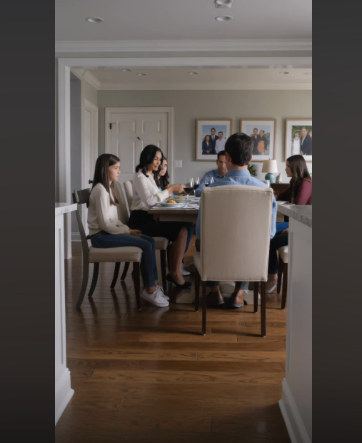
My stepmom said “From now on you don’t exist to me or your father.”.
Four years later I made her homeless.
The first night my stepmother moved into our house, she looked me in the face and said, “From now on, you need to understand something. Your father and I have a new family to focus on. You are old enough to handle yourself.”
I looked at my father.
I expected him to laugh.
Or get angry.
Or tell Selma that she had been his wife for eleven days and had absolutely no right to tell his fourteen year old daughter that she was suddenly on her own.
Instead, Dad rubbed his forehead and said, “Bianca, Selma and I have talked about this.”
I stared at him.
“Talked about what?”
“Her daughter needs stability.”
Selma’s daughter, Candy, was seventeen and had recently moved in with us after dropping out of a dance program following her parents’ divorce.
I almost laughed.
“My mother died nine months ago.”
Dad looked away.
“I know.”
“I’m fourteen.”
“I know that too.”
“And Candy needs stability?”
Selma crossed her arms.
“Candy has been through a very difficult year.”
“So have I.”
Her expression hardened.
“You’re different. You’re strong. Independent. Your father says you’ve always been mature for your age.”
I would eventually learn that adults often call children mature when they want to feel less guilty about abandoning them emotionally.
At fourteen, I only heard one thing.
My father had decided I needed him less.
Selma continued.
“So there will be new boundaries. No demanding money every time you want something. No expecting your father to drive you everywhere. No drama when we are spending time with Candy. If you have school problems, solve them. If you need something, learn to plan.”
I looked at Dad.
“She’s saying you’re not allowed to be my father anymore.”
“Bianca.”
His sigh was worse than anger.
“Don’t make this into something it isn’t.”
“What is it, then?”
He had no answer.
Selma did.
“It means the world does not revolve around you.”
I remember that sentence because my mother had been dead for less than a year and I had spent those nine months trying not to inconvenience anyone with the fact that I missed her.
I went to my room.
Closed the door.
And cried into the sweater that still smelled faintly like her perfume.
That was the beginning.
Not the night I lost my family.
I had already lost my mother.
It was the night I learned my father was willing to lose me too.
Two weeks later, I came home from school and found my bedroom empty.
Not messy.
Empty.
My bed was gone.
Desk gone.
Bookshelves gone.
Photos gone.
The fairy lights my mother and I had hung together were missing from the lavender walls.
Candy stood in the middle of the room filming herself.
“And this will be the studio wall,” she said into her phone. “Mom is putting mirrors here.”
She noticed me.
“Oh. Hey.”
I could barely speak.
“Where is my stuff?”
“The garage.”
“What?”
“Mom said the guest room makes more sense for you.”
My chest tightened.
“This is my room.”
Candy shrugged.
“It’s bigger. I need the space for dance.”
I stared at the walls.
My mother and I had painted them when I was twelve.
She got lavender paint on the end of her nose and walked around for almost an hour before realizing why I kept laughing.
It was one of the last memories I had of her before cancer turned our house into medication schedules and whispered conversations behind closed doors.
“You’re painting over it?”
“Obviously.”
Candy wrinkled her nose.
“Purple is depressing.”
I walked downstairs so quickly I almost fell.
Selma sat at the kitchen counter with a catalog open in front of her.
“You’re giving Candy my room?”
She did not look up.
“It’s a more practical use of the space.”
“My mother decorated that room with me.”
“Bianca.”
Now she looked at me.
“Your mother is gone.”
I felt as though she had slapped me.
“Don’t.”
“Those walls are not your mother. The paint is not your mother. At some point you need to stop turning every change in this house into some kind of betrayal.”
“This was her house.”
Selma’s face cooled.
“This is your father’s house.”
That sentence would become important later.
At the time, I believed it.
I said, “I want to talk to Dad.”
“He agreed.”
I stared at her.
“No.”
“He did.”
“Then why isn’t he here?”
“Because he knew you’d react like this.”
She leaned back.
“Honestly, Bianca, you are exhausting him.”
I stopped breathing.
She saw it.
And kept going.
“Every time he starts feeling normal again, you drag him backward. You bring up your mother. You get upset about furniture. Photos. Paint. He is trying to move forward.”
I whispered, “She’s my mother.”
“And I’m his wife.”
Selma tapped one finger on the counter.
“He deserves happiness too.”
I wanted to scream.
Instead, I asked, “Did he say that?”
Her eyes never moved from mine.
“He said marrying me was the first time he had felt alive since she died.”
Maybe Dad had said it.
Maybe Selma had improved the wording.
I never found out.
That uncertainty hurt almost as much as believing it.
I walked to the garage.
My entire room had been packed into cardboard boxes.
Photos of Mom.
School trophies.
Books.
Clothes.
The quilt my grandmother made me.
My desk lamp.
Fourteen years of life arranged like things someone might donate after a yard sale.
That night I slept in the guest room.
White walls.
Single bed.
No memories.
I made myself a promise.
I would survive until eighteen.
Then I would leave.
For the next three years, I became very good at needing nothing.
I worked after school.
First at a grocery store.
Then weekend shifts at a coffee shop.
I maintained my grades.
I learned the bus routes.
Bought my own clothes whenever possible.
Paid for school trips.
Stopped asking Dad to attend anything.
If he came, fine.
Usually he did not.
Candy received dance lessons.
Competition fees.
Private coaching.
New clothes.
A car at sixteen.
When Selma said, “Candy has real potential,” Dad nodded.
When I needed a calculator for advanced math, he said, “Can you cover it yourself? Things are tight this month.”
I covered it myself.
The strongest emotion I felt was not anger.
It was embarrassment that some part of me still hoped he would notice.
Then came my mother’s necklace.
Candy was eating cereal when I walked into the kitchen one Saturday morning.
Around her neck was a small diamond pendant.
My mother had worn it almost every day.
I stopped.
“Where did you get that?”
Candy touched it.
“This?”
“Yes.”
“Mom gave it to me.”
I felt my skin go cold.
“Take it off.”
She smiled.
“Why?”
“It belonged to my mother.”
“Your mother isn’t using it.”
“Take it off.”
Candy’s smile widened.
“Mom found a whole box of jewelry upstairs. She said it was just sitting there.”
I walked closer.
“My mother told me that necklace would be mine.”
Candy looked at the pendant.
“I like it.”
“I don’t care.”
She laughed.
“Honestly, it probably looks better on me.”
The old Bianca might have lunged at her.
For one second, I wanted to.
Then I imagined exactly what would happen.
Candy would scream.
Selma would appear.
Dad would hear that I attacked someone.
The necklace would disappear completely.
So I did something different.
I took out my phone.
“What are you doing?”
“Recording.”
Her smile vanished.
I said, “Say it again.”
“Say what?”
“That Selma took jewelry from my mother’s box and gave it to you.”
Candy stood.
“You’re insane.”
“Maybe.”
I looked at the pendant.
“But I’m not touching you.”
Then I went upstairs and called my grandmother.
My mother’s mother.
Grandma Ruth had been the only adult who still spoke about Mom like she was a real person instead of a sad chapter everyone wanted closed.
She arrived forty minutes later.
Selma was furious.
“This is a family matter.”
Grandma looked around the kitchen.
“My daughter was family.”
Nobody answered that.
I showed her the necklace.
Grandma’s face changed.
She asked Dad, “Did Laura leave instructions for her jewelry?”
Dad looked uncomfortable.
“There were boxes.”
“That wasn’t my question.”
Selma interrupted.
“We are not doing an inventory over every sentimental object in this house.”
Grandma turned toward her.
“No. We are doing an inventory over property that belonged to my dead daughter.”
Dad finally said, “Ruth, please.”
Grandma looked at me.
“Bianca, bring me everything of your mother’s that matters to you.”
Selma protested.
Dad tried to calm everyone.
For once, Grandma did not care.
We packed photographs, letters, the pendant, Mom’s favorite sweater, several pieces of jewelry, and a box of old cards.
Grandma stored them at her house.
I did not know it then, but that was the first time someone taught me that protection did not always require winning an argument.
Sometimes it meant moving what mattered somewhere safe.
Three months before my eighteenth birthday, I asked Dad about my college money.
Mom had talked about it for years.
“Your college account,” she used to say. “You keep doing your part and I will do mine.”
She had saved since I was a baby.
I believed there was around fifty thousand dollars.
By then, I had received scholarship offers from several universities.
One was a full tuition award.
But housing, food, books, transportation, and everything else still existed.
So I found Dad one evening in the living room.
“Can we talk about Mom’s college fund?”
He froze.
Not dramatically.
Just enough.
That was all I needed.
“The fund,” he said.
“Yes.”
He looked toward the kitchen.
Selma was loading the dishwasher.
“I thought we should discuss that eventually.”
My stomach dropped.
“Discuss what?”
“There were expenses after your mother died.”
I stared at him.
“What expenses?”
“Medical bills. Funeral costs. House repairs.”
Selma appeared in the doorway.
“The money was part of household finances, Bianca.”
“No.”
My voice sounded strangely calm.
“It was for college.”
Selma said, “Your mother called it a college fund. It wasn’t some legally untouchable trust. Your father had access.”
I looked at Dad.
“You spent it?”
He could not meet my eyes.
“Not all at once.”
“How much is left?”
Silence.
“Dad.”
He whispered, “Very little.”
Selma crossed her arms.
“You’re acting like the money vanished into a casino. It paid for this family.”
“What family?”
“Bianca.”
Dad finally looked at me.
“Don’t start.”
I almost laughed.
“Did Candy’s dance program come out of it?”
Neither answered.
That was an answer.
I stood.
“How much?”
Selma snapped, “You have scholarships. You are going to be fine.”
I looked at her.
“You spent money my dying mother saved for me because you decided I would be fine.”
“Everything cannot be about your mother.”
“It was her money.”
Dad said softly, “Bianca, I’m sorry.”
I turned toward him.
“No. You’re relieved.”
His face tightened.
“What?”
“You’re relieved I have scholarships because now you don’t have to fix what you did.”
“That isn’t fair.”
I stared at him.
“You’ve been telling me for almost four years how strong I am.”
He looked away.
“Congratulations.”
I picked up my bag.
“You were right. I figured it out.”
I went to Grandma’s.
This time, I stayed overnight.
She made tea.
I told her about the college money.
She closed her eyes.
“I was afraid of that.”
“You knew?”
“I knew your mother hadn’t structured that account the way I wanted her to. She and Harold could both access it.”
“So it’s gone.”
“If he spent it legitimately from an account he was authorized to manage, recovering it may be difficult.”
That sounded like legal language.
I hated it.
Then Grandma said, “But that is not everything your mother left you.”
I looked up.
She walked into her bedroom and returned with a thick folder.
“Your mother came to me after her diagnosis became serious.”
My hands went cold.
“Why?”
“Because she was scared.”
“Of dying?”
“Of leaving you.”
Grandma sat beside me.
“She loved your father. But she also knew he avoided conflict. She worried grief would make him careless. She wanted to make sure you had something nobody could casually spend.”
She opened the folder.
There was a trust agreement.
A deed.
Bank statements.
A letter from an estate attorney.
I did not understand most of it.
Grandma did.
She explained slowly.
My mother had owned our house before marrying Dad.
Years later, she transferred it into a trust.
Dad was given the right to live there after her death while I was still a minor.
He had to maintain the property, pay taxes and insurance, and keep it as my primary residence until I left for college.
When I turned eighteen and graduated high school, his automatic occupancy right ended.
The house then became mine through the trust unless I chose another arrangement.
I stared at Grandma.
“What?”
“The house belongs to the trust for your benefit.”
“But Selma said Dad owns it.”
“He doesn’t.”
“Does he know?”
Grandma hesitated.
“Yes.”
That hurt in a new place.
“He knew?”
“He signed documents acknowledging the arrangement years ago.”
I could barely breathe.
“So all this time.”
“Yes.”
“He let Selma call it her house.”
“Yes.”
“He let her take my room.”
Grandma reached for my hand.
“Yes.”
I laughed once.
It sounded awful.
“Why didn’t you tell me?”
“Because you were a child. Your mother instructed the trustee and attorney to explain everything to you shortly before control transferred. She did not want you trapped in a legal fight while you still had to live there.”
“Who is the trustee?”
“I am, with the estate attorney as successor if something happens to me.”
I stared at her.
There was more.
Mom had also created a separate trust account.
Not fifty thousand.
A little over sixty thousand after years of modest investment growth.
Protected.
Untouched.
For education and early adult expenses.
I put my hands over my face.
For four years, I had believed my mother was disappearing room by room.
Paint.
Photos.
Jewelry.
Even her college promise.
But she had left something deeper than objects.
A structure.
A way out.
Grandma said, “Bianca, listen to me.”
I lowered my hands.
“Your mother did not create this so you could punish anyone.”
I said nothing.
“She created it so you would have choices.”
That distinction would matter later.
At seventeen, I was not ready to appreciate it.
At seventeen, all I could think was that Selma had spent four years calling a house hers while living there only because my mother had allowed Dad temporary use.
I wanted Selma to feel what I had felt.
Disposable.
Powerless.
Removed.
Grandma must have seen it in my face.
“Do nothing tonight.”
“I wasn’t going to.”
“Bianca.”
“Fine.”
The next morning, she took me to meet Lydia Chen, the attorney who had worked with Mom.
Lydia did not tell me I could throw everyone onto the sidewalk the day I turned eighteen.
She explained reality.
Dad’s occupancy right would expire according to the trust terms.
After that, if I did not want him and his household to remain, we would provide written notice.
If they refused to leave, there could be a formal possession proceeding under state law.
No changing locks while people were at dinner.
No throwing belongings onto the lawn.
No sheriff appearing because I snapped my fingers.
Paperwork.
Deadlines.
Due process.
I found that disappointing.
Lydia said, “Good.”
I frowned.
“Why is that good?”
“Because you want to enter adulthood as the owner of a house, not as a defendant in your own lawsuit.”
Fair.
I asked, “Can Dad challenge it?”
“Anyone can file something.”
“Would he win?”
“I don’t promise outcomes.”
I liked her immediately.
She continued, “But I have reviewed your mother’s trust, recorded deed, and occupancy agreement. The documents appear valid. Your father had counsel when he acknowledged them.”
“So he knew.”
“Yes.”
I looked away.
That hurt more every time someone confirmed it.
Three months remained.
I went home.
Not because I forgave anyone.
Because I wanted to graduate.
Keep my scholarships.
Work.
Sleep.
Leave cleanly.
Dad knocked on my door that night.
“Can we talk?”
I opened it but did not invite him inside.
“About what?”
“The college account.”
“It’s gone.”
“Not all of it.”
“Enough.”
He looked ashamed.
“I was overwhelmed after your mom died.”
“So was I.”
“I made decisions.”
“Yes.”
“Some bad ones.”
“Yes.”
He rubbed his hands together.
“You have to understand, Selma came into my life when I was barely functioning.”
I stared at him.
“You’re explaining Selma.”
“I’m explaining me.”
“Good.”
I waited.
He struggled.
Then said, “I needed someone.”
I nodded.
“And I needed my father.”
His face collapsed.
Neither of us spoke.
Finally he whispered, “I know.”
That was the first time I heard him say it.
Not, “You were strong.”
Not, “You were mature.”
Not, “You seemed fine.”
Just, “I know.”
It did not repair anything.
But it was the first honest brick.
My eighteenth birthday arrived quietly.
Dad forgot.
Selma forgot.
Candy either forgot or did not care.
Grandma remembered.
So did Lydia.
I spent the afternoon in Lydia’s office signing documents acknowledging the transfer of management authority.
The house’s estimated value was around four hundred and fifty thousand dollars.
The trust account held a little over sixty two thousand.
I had a full tuition scholarship.
For the first time in four years, my future did not depend on anyone in that house wanting me.
Lydia asked, “What do you want to do with the property?”
My answer came quickly.
“I don’t want them living there.”
She nodded.
“Do you want the house for yourself?”
That question slowed me down.
Did I?
My mother’s kitchen was there.
My old bedroom.
Her garden.
So were four years of Selma.
Candy.
My father’s silence.
“I don’t know.”
“Then don’t decide the long term today.”
Good advice.
“What do I have to decide?”
“Whether you want to continue allowing them to occupy the property after the trust right expires.”
“No.”
“Then we’ll notify them.”
“How much time?”
“We’ll use a reasonable period consistent with the law and the trust arrangement. I recommend sixty days given the circumstances.”
I had imagined thirty.
Then imagined Selma packing under a countdown.
The fantasy felt good.
Too good.
“Sixty.”
Lydia nodded.
“And Bianca.”
“Yes?”
“Do not serve it yourself.”
I sighed.
“You ruin everything.”
“It’s why your grandmother likes me.”
A process server delivered the notice three days later.
I was at work.
Dad called me twelve times.
Selma called seventeen.
Candy sent six messages.
I answered none until I got home.
They were waiting in the living room.
The same living room where Selma had held her first family meeting.
The envelope sat on the table.
Selma stood when I entered.
“What is this?”
“A notice.”
“I can read.”
“Then why are you asking?”
Her face reddened.
Dad said, “Bianca, please sit down.”
I remained standing.
Selma lifted the papers.
“You’re claiming you own this house.”
“I don’t have to claim it.”
“This is absurd.”
Dad closed his eyes.
Selma noticed.
She turned toward him.
“Harold?”
He did not answer.
Her voice changed.
“Harold.”
He looked at the floor.
That was when she knew.
Not all of it.
Enough.
“You knew.”
Dad said, “It’s complicated.”
Selma laughed.
A short, dangerous sound.
“How complicated?”
“Laura created a trust.”
“When?”
“Before she died.”
“And you knew?”
“Yes.”
Selma stared at him.
“You let me move in.”
He swallowed.
“Yes.”
“You let me spend money on this house.”
“Yes.”
“You let Candy move into Bianca’s room.”
His silence was almost an answer.
Selma’s face went white.
“You told me this was our home.”
“It was my home.”
“No.”
I spoke for the first time.
“It was where you lived.”
Selma turned on me.
“You stay out of this.”
I almost laughed.
“It’s my house.”
She stared at me with such disbelief that for a second I understood something I had never considered.
My father had lied to her too.
Not in the same way.
Not enough to excuse anything she had done.
But he had allowed Selma to build a life on information he knew was false.
His cowardice had not only harmed me.
It had poisoned his marriage.
Candy walked downstairs during the argument.
“What is happening?”
Selma snapped, “We’re being thrown out.”
Candy looked at me.
“You can’t do that.”
I answered, “You have sixty days.”
“This is our house.”
“No.”
Her face twisted.
“But where are we supposed to go?”
I almost said, “Not my problem.”
The words were ready.
Then I remembered Grandma.
Choices, not punishment.
I said, “You have two months to make a plan.”
Candy looked as though I had spoken another language.
Selma did not cry.
She became practical.
“Fine. We’ll challenge it.”
“Talk to your lawyer.”
“I will.”
“Good.”
I went upstairs.
My hands shook after I closed the door.
Not because I was afraid.
Because power felt different from what I imagined.
It was not warm.
It was heavy.
Selma did challenge the trust.
Her lawyer reviewed the documents.
Then another lawyer reviewed them.
Nothing dramatic happened.
No judge laughed her out of court.
Her attorney simply told her the same thing Lydia had told me.
The trust had been properly created.
Dad’s occupancy provision had been limited.
The title history was clear.
If Selma wanted to litigate, she could.
It would cost money.
The odds were poor.
She did not file.
Then came bargaining.
“Let us rent from you.”
“No.”
“We’ll pay market rate.”
“No.”
“Your father has lived here most of his adult life.”
“I know.”
“You’re punishing him for marrying me.”
“No.”
I looked at her.
“I’m ending an arrangement my mother designed to be temporary.”
She hated that answer because it gave her nothing dramatic to fight.
Dad tried too.
He came to my room one evening.
“Could I stay after they move?”
That surprised me.
“What?”
“Selma and I are having problems.”
I almost said, “That sounds like a you problem.”
Instead I asked, “Do you want to stay because you want a relationship with me or because rent is expensive?”
He flinched.
“Both.”
At least he was honest.
I sat on the edge of the bed.
“Dad, I can’t live with you right now.”
His eyes filled.
“I’m sorry.”
“So am I.”
“Do you hate me?”
I thought about it.
“No.”
That seemed to hurt him more.
“I don’t trust you.”
He nodded slowly.
“That makes sense.”
It was the first time he had accepted one of my feelings without correcting it.
I continued.
“You knew this house would become mine.”
“Yes.”
“You let Selma erase Mom from it anyway.”
He looked down.
“Yes.”
“You let her give away Mom’s things.”
“Yes.”
“You spent the college money.”
His voice broke.
“Yes.”
“And every time I needed you, you called me strong because it was easier than being my father.”
He cried then.
I did not comfort him.
Not because I wanted him to suffer.
Because for once, his feelings were allowed to belong to him.
“I’m sorry, Bianca.”
“I know.”
“I don’t know how to fix it.”
“You might not.”
That was true too.
Candy changed as moving day approached.
At first she was furious.
Then panicked.
One afternoon I found her sitting on the floor of her dance room surrounded by boxes.
My old room.
The lavender walls had been painted pale pink years ago.
She stared at the clothes around her.
“I don’t know how to do this.”
“Do what?”
“Pack.”
I almost laughed.
Then realized she was serious.
“Put the things you need in boxes.”
“I don’t know what we need.”
“Then figure it out.”
She started crying.
“My mom handles everything.”
There it was.
The truth beneath all the arrogance.
Candy had been cruel to me.
Deliberately.
She had taken my food.
Ruined clothes.
Used grief as a weapon.
But Selma had also raised her to believe discomfort would always be removed before she had to learn from it.
I did not feel sorry enough to save her.
I also did not enjoy watching her collapse.
That surprised me.
Four years earlier, I would have dreamed of this.
Instead I said, “Start with clothes for the next two weeks. Then school documents. Medication if you have any. Important papers. Things you cannot replace.”
She wiped her face.
“Why are you helping me?”
“I’m not helping you stay.”
“I know.”
I looked around the room.
“I’m telling you how to pack a box.”
She stared at me.
Then whispered, “I was horrible to you.”
I said nothing.
“I knew the necklace would hurt you.”
“Yes.”
“I liked that.”
“Yes.”
She cried harder.
“I don’t know why.”
I did.
Power.
She had some.
I had none.
People do ugly things when humiliation becomes entertainment.
But explaining something does not erase it.
Candy said, “I’m sorry.”
I answered, “Okay.”
She looked up.
“That’s it?”
“What do you want me to say?”
“I don’t know.”
“Then maybe don’t ask me to make your apology feel better.”
She nodded.
That was enough.
Selma never apologized.
Not then.
She spent most of the sixty days furious.
At me.
At Dad.
At my dead mother.
At the lawyers.
At the universe.
Anything except herself.
But she packed.
Because eventually anger loses arguments with calendars.
Dad rented a small apartment across town.
Selma and Candy moved into a two bedroom rental near Candy’s community college.
Nobody became homeless.
That mattered to me later.
At eighteen, I had wanted to make Selma feel abandoned.
In reality, I did not make her homeless.
I stopped providing the house.
Those are different things.
On the final morning, Selma stood in the foyer beside the last stack of boxes.
She looked tired.
Older.
“This is what you wanted.”
I thought about that.
“No.”
She scoffed.
“Please.”
“What I wanted was my mother alive.”
That silenced her.
“What I wanted was my father to protect me.”
Dad, standing near the door, closed his eyes.
“What I wanted was to keep my room.”
I looked at Candy.
She looked down.
“What I wanted was the college money Mom saved.”
Then back to Selma.
“I didn’t get any of those things.”
Her face changed slightly.
“This house doesn’t make us even.”
I opened the front door.
“It just means we’re finished living together.”
Dad hugged me before leaving.
I stood stiffly for the first few seconds.
Then hugged him back.
Not because everything was repaired.
Because he was still my father.
That fact had caused enough pain.
I was done pretending it caused none.
After their cars disappeared, I walked through the house alone.
I expected victory.
Instead, every room felt enormous.
Quiet.
Candy’s studio.
Dad’s office.
The kitchen.
The guest room where I had spent four years.
Then I entered my old bedroom.
The pink walls were bare.
Mirror panels lined one side.
The ballet bar was still attached.
I sat on the floor.
And cried.
For Mom.
For Dad.
For fourteen year old me.
For every night I had lain awake waiting to turn eighteen because adulthood seemed like a door I could escape through.
The door had opened.
Freedom still came with grief.
I did not move into the house permanently.
That surprised everyone.
Grandma asked, “Are you sure?”
“Yes.”
I was leaving for college.
I did not want to spend my first adult years maintaining a four hundred and fifty thousand dollar house I associated with the worst period of my life.
With Lydia’s help, I hired a property manager and rented it to a family.
The rent covered taxes, insurance, repairs, management costs, and created a modest reserve.
The protected money Mom left helped with living expenses not covered by my scholarship.
I did not become rich at eighteen.
I became secure.
That was better.
At college, nobody knew Selma.
Nobody knew Candy.
Nobody knew the girl whose mother died.
For the first few months, that felt incredible.
Then strange.
Trauma had become such a large part of my identity that without people reacting to it, I had to discover who else I was.
I studied data science.
Joined a student organization.
Worked part time because I liked having my own money.
Made friends who had no idea what my house was worth.
Dated someone for six months and broke up because neither of us was particularly good at being a couple.
Normal life.
I loved normal life.
Dad called every Sunday.
At first, I answered once a month.
Then twice.
He went to therapy.
I know because he told me.
Not to impress me.
Mostly to explain why he sometimes had to pause before speaking.
One Sunday he said, “My therapist asked why I kept calling you independent.”
I waited.
“I told her because you were.”
“And?”
“She asked whether you had a choice.”
That sentence stayed between us.
Finally I said, “No.”
“I know.”
Years earlier, he had used the same words.
This time they meant something different.
He continued.
“I think I called you strong because I needed you to require less of me.”
“Yes.”
“I’m sorry.”
“I know.”
Our relationship did not return to what it had been before Mom died.
That relationship belonged to a child.
We built something else.
Smaller.
More honest.
Dad stopped asking for forgiveness.
He started behaving differently.
That worked better.
Candy sent me a message during my second year of college.
“I got a job.”
I stared at the screen.
Then laughed.
I replied, “Congratulations.”
She wrote, “It is terrible.”
“What are you doing?”
“Reception at a physical therapy office.”
“Sounds respectable.”
“People yell at me about insurance like I personally invented deductibles.”
I smiled.
Then another message appeared.
“My mom thinks I should quit.”
I knew Selma would.
“What do you think?”
There was a long pause.
“I think I want to see if I can stick with something.”
I answered, “Then stick with it.”
That was the beginning of a strange truce.
Not sisterhood.
Not friendship.
Occasional messages.
She learned to cook.
She told me when she moved into her first apartment with a roommate.
Once she wrote, “You were right. Mom did too much for me.”
I responded, “She loved you.”
Candy wrote, “I know. But sometimes love can make you weak if nobody lets you practice being strong.”
That sounded like something she had paid a therapist to learn.
Good.
Selma and Dad divorced three years after moving out.
I did not celebrate.
Their marriage had been built partly on Dad’s grief, Selma’s need for control, and both of them pretending I was the problem.
Once I left the center of that system, they had to look at each other.
Apparently they did not like everything they saw.
Selma wrote me one letter after the divorce.
I almost threw it away.
Then read it.
“Bianca,
I have rewritten this many times because every version makes me sound better than I was.
I entered your home thinking your grief was competition.
I wanted Harold to choose the life he had with me so completely that I treated any reminder of your mother as a threat.
That included you.
I told myself I was creating a new family.
What I actually did was try to erase the old one.
Candy deserved care.
So did you.
I acted as though giving her more required giving you less.
It didn’t.
I am sorry.
You don’t owe me anything.”
I read it twice.
Then put it away.
I did not call her.
I did not write back immediately.
Six months later, I sent one sentence.
“Thank you for saying it without asking me to make you feel better.”
She never replied.
That was fine.
Some apologies repair relationships.
Some simply tell the truth after the relationship is already over.
Both have value.
I kept the house throughout college.
After graduation, I had choices.
Sell it.
Keep renting it.
Move back.
For weeks, I avoided deciding.
Then Grandma said, “Your mother did not preserve that house because she wanted it to become a shrine.”
“What did she want?”
“She wanted you to have a place nobody could take from you.”
I thought about that.
A place nobody could take from me did not necessarily have to be a place I lived.
So I kept it as a rental for several more years.
Later, when the market was strong and I was ready to buy a smaller place in the city where I worked, I sold it.
No dramatic goodbye.
No final confrontation.
I walked through one last time before closing.
The family renting it had painted my old bedroom a soft blue.
Their daughter had stars on the ceiling.
I stood in the doorway and smiled.
For years, I thought changing those lavender walls had destroyed something sacred.
It had not.
The memory was never in the paint.
Mom was right there with me anyway.
Her laugh.
The spot on her nose.
The promise that my room would always be safe.
She had not been able to guarantee that exact room.
But she had done something better.
She had tried to guarantee that eventually, I could choose where safety lived.
The sale proceeds went into investments after taxes and transaction costs.
I did not become a millionaire overnight.
I became a twenty something woman with a strong financial foundation and no desire to use it as revenge against anyone.
That may have been the biggest change of all.
At fourteen, I dreamed of turning eighteen and making Selma hurt.
At eighteen, I thought taking the house back would finally make us even.
At twenty five, I understood there is no even.
There is only what happened and what you decide to build afterward.
My mother left me property.
Money.
Documents.
A trust.
But the most important inheritance was something no lawyer could draft.
She left me evidence that at least one person had thought seriously about my future.
For four years, Selma told me I was too much.
Dad told me I was strong enough not to need him.
Candy treated my pain like entertainment.
My mother, dying and frightened, sat in an attorney’s office and asked one question.
“How do I make sure my daughter has choices when I am gone?”
I know because Lydia told me years later.
That sentence changed the way I remembered everything.
Mom could not save me from grief.
She could not prevent Dad from failing me.
She could not stop Selma from taking my room.
She could not guarantee the college money would remain untouched.
Parents do not get that kind of power.
What she could do was leave one door unlocked somewhere farther ahead.
I had to survive long enough to reach it.
And when I did, the real victory was not putting anyone else out.
It was realizing I no longer needed someone else to be powerless in order for me to feel safe.
Fourteen year old Bianca would not have understood that.
She wanted revenge.
I don’t blame her.
She was a child begging adults to remember she existed.
But I am not fourteen anymore.
Dad knows where I live now.
He visits sometimes.
He knocks.
And waits for me to open the door.
That small detail means more to me than the house ever did.
Because the life my mother protected was never really a piece of real estate.
It was mine.
