When I was seventeen, I came home one afternoon and discovered my family had
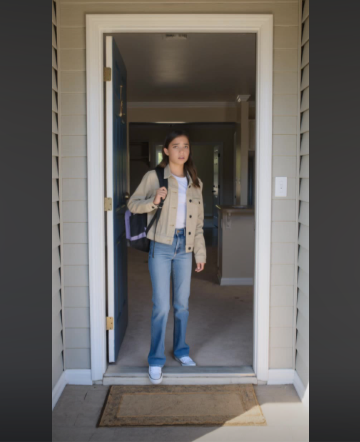
I was abandoned at my lowest and now I’ve made it, they want me back.
When I Was 17, My Family Moved Two States Away Without Telling Me, They Left a Note That Said, “You’ll Figure It Out.” Twelve Years Later, After I Finally Made It Without Them, They Reached Out Trying To Reconnect.
When I was seventeen, my family moved two states away without telling me.
They left a note on the kitchen counter.
Four words.
You’ll figure it out.
Twelve years later, after I finally did, they came looking for me.
By then, I was a millionaire.
And suddenly, they remembered I was their daughter.
But back when I was seventeen, standing in an empty house with that note trembling in my hand, I didn’t think about revenge.
I didn’t think about money.
I didn’t even think about the future.
I just wanted to understand what I had done wrong.
The truth was, I hadn’t done anything.
I had simply spent my childhood being useful to people who never seemed particularly interested in loving me.
At thirteen, I made my mother a birthday cake from scratch.
I didn’t know what I was doing.
The frosting came out uneven.
The cake leaned slightly to one side.
I was proud anyway.
Mom looked at it and laughed.
“It’s clumpy.”
That was all.
At fifteen, I tutored my younger brother Michael through finals.
Every night for almost two weeks.
Math.
History.
Science.
He passed everything.
Then called me a know-it-all and slammed his bedroom door in my face when I asked whether he wanted help the following semester.
At sixteen, I gave Dad an entire paycheck from my grocery-store job because he said we were behind on bills.
Months later, during an argument, he told me I had never contributed anything to the family.
When I reminded him about the money, he yelled that keeping score was selfish.
That was the pattern.
I was needed.
Just never cherished.
Then one afternoon, I came home and discovered that even being useful had stopped being enough.
The furniture was gone.
Closets empty.
Kitchen cabinets bare.
My parents’ bedroom had been stripped down to carpet marks where the bed used to stand.
Michael’s room was empty too.
No boxes.
No bags.
No warning.
Just the note.
You’ll figure it out.
I called my mother.
Disconnected.
Dad.
Disconnected.
Michael.
Same.
I sat on the kitchen floor for hours.
Eventually, the landlord came by.
He looked surprised to see me.
“Emma?”
I stood.
“Where are my parents?”
His expression changed.
“They moved.”
“I know.”
He frowned.
“You weren’t going with them?”
That was how I learned they had relocated two states away.
They had also terminated the lease early.
I had one week to leave.
At seventeen.
I spent three nights at a friend’s house.
Then her father decided he didn’t want “family drama” becoming their responsibility.
Another classmate let me stay two nights.
After that, I ran out of couches.
With the last of my savings, I rented a small storage unit.
Sleeping there was illegal.
I knew that.
I also knew sleeping outside felt worse.
So I learned when the manager made his rounds.
Learned which camera angle didn’t cover the back hallway.
Learned how quietly a metal storage door could be raised if you lifted slowly.
I showered at the YMCA.
Used library computers to apply for jobs.
Ate peanut butter directly from the jar because bread cost extra.
Breakfast.
Lunch.
Dinner.
Sometimes I bought bananas because they were cheap.
I told people I was fine.
Teenagers are remarkably good at lying when the alternative is being placed somewhere they don’t understand.
Eventually, a diner hired me for the night shift.
The manager, Marlene, was terrifying.
Gruff voice.
Cigarette-smoker laugh.
Zero patience for excuses.
She also paid me cash until I managed to replace identification documents my parents had taken.
One night, I nearly collapsed beside the walk-in refrigerator.
Marlene caught me by the arm.
“When did you last sleep?”
“I slept.”
“Where?”
I looked away.
She stared at me.
Then pointed toward the break room.
“Four hours.”
“I’m working.”
“Not anymore.”
She locked the office.
“You sleep. I’ll wake you.”
Marlene never asked for the whole story.
That might have been why I trusted her.
I clawed my way forward.
One small thing at a time.
Prepaid phone.
Used clothes.
Every receipt saved.
Every dollar recorded.
I watched free videos about budgeting, credit, careers, and business planning on library computers.
The first year, I did not thrive.
I survived.
There is dignity in surviving, although nobody tells you that while you’re doing it.
My turning point arrived disguised as extra work.
A diner regular named Walter mentioned that his office needed temporary help clearing old files.
“You organized the supply cabinet here better than our receptionist organizes anything,” he said.
“I’ll pay you triple whatever Marlene is paying.”
I thought he was joking.
He wasn’t.
I said yes.
That temporary job led to another.
Then another.
I learned office systems.
Scheduling.
Basic bookkeeping.
Vendor management.
Marketing software.
I asked questions constantly.
Showed up early.
Wrote everything down.
At twenty-two, I was freelancing full-time.
At twenty-five, I started my own consulting company.
There was no glamorous launch.
No venture capital.
No shiny office.
Just me.
A borrowed laptop.
A folding table.
And the absolute terror of having no backup plan.
Failure had always been expensive for me.
So I worked.
By twenty-seven, I had five contractors.
A real office.
Clients whose companies I once would have been afraid to walk into.
At twenty-nine, I became a millionaire.
Not the social-media kind.
No rented sports car.
No screenshots of fake trading accounts.
Actual money.
No debt.
Retirement funded.
Apartment paid off.
Health insurance.
Savings I could touch without panicking.
The first time my banking app crossed seven figures, I sat on my bedroom floor and cried.
Not because I felt rich.
Because I remembered eating peanut butter with a spoon in a storage unit.
Through all of it, my family never contacted me.
Not once.
No birthdays.
No Christmas cards.
No “Are you alive?”
Nothing.
One afternoon, Michael appeared in my suggested friends list.
He was married.
Photos with his wife.
A little girl.
The same state my parents had moved to.
I stared at the page.
Wondered what he told people.
Did he say his sister disappeared?
That I ran away?
That we simply weren’t close?
Sometimes I thought hating them would have been easier.
But I didn’t hate them.
That was the problem.
I was heartbroken.
Eventually, I started therapy.
My therapist was named Melissa.
I told her I didn’t want what happened to me to turn me into someone who expected abandonment from everyone.
“I want to stay unbroken,” I told her.
Melissa smiled gently.
“You’re already not broken.”
“What you’re describing is learning how to feel safe.”
So we worked on that.
I made a list once of all the people who had helped when they didn’t have to.
Marlene.
Walter.
Teachers.
Coworkers.
Friends.
Strangers.
That list became more meaningful than my family tree.
Then, twelve years after my parents disappeared, I agreed to a podcast interview.
The topic was family estrangement.
I talked about being abandoned at seventeen.
The storage unit.
The diner.
Building a company.
I didn’t use my parents’ names.
Didn’t mention where they lived.
I simply told the truth.
The episode exploded online.
A million views in four days.
My inbox filled with messages.
Adults who had been abandoned.
Children of estranged families.
People telling me they had never heard someone describe the particular pain of being treated as disposable.
Then one email appeared.
Subject:
**You’re Still Our Daughter**
My mother.
There was no apology.
Just a paragraph about hearing “my side” and how perhaps we could talk.
Then Michael emailed.
*We miss you. Can we fix this?*
I stared at the screen for a long time.
Then closed the laptop.
Melissa told me not to respond immediately.
“There is no emergency here.”
“It feels like one.”
“That doesn’t make it one.”
She leaned forward.
“Give yourself a week.”
I gave myself ten days.
Worked.
Went to the gym.
Had dinner with friends.
Pretended the emails weren’t constantly living in my head.
My mother’s message felt cold.
Clinical.
Michael’s felt more emotional.
So I answered him first.
One sentence.
*It’s been twelve years. What changed?*
He replied within an hour.
The podcast.
Apparently hearing me describe everything had made him realize what they had done.
He reminded me he had been fifteen when they moved.
Said he hadn’t been given a choice.
Said he always wondered about me.
Looked me up online several times.
Was proud of my success.
That last part bothered me.
*If you cared that much, why did you wait until I was publicly successful to contact me?*
His next message was longer.
Money was tight.
Our parents’ business had failed.
His wife was pregnant with their second child.
Medical expenses were mounting.
My stomach sank.
There it was.
Maybe not all of it.
But enough.
I didn’t answer.
Then Mom emailed again.
Photographs attached.
Me as a baby.
The family at a beach.
Michael and me building a snowman.
Evidence that happy moments had existed once.
At the bottom:
*We made mistakes. We want to make amends.*
I showed Melissa.
“Closure may help,” she said.
“But closure doesn’t necessarily mean reconciliation.”
Part of me wanted to tell them to go to hell.
Part wanted answers.
And beneath both of those was a humiliating little child who still wanted her parents to love her.
I decided to meet Michael.
Only Michael.
We chose Chicago.
Halfway between us.
I nearly canceled three times.
At two o’clock, I entered the coffee shop.
He stood immediately.
Older.
Heavier.
Hairline receding.
Same eyes.
“Emma.”
“Michael.”
No hug.
We sat.
Twenty minutes of weather.
Travel.
Coffee.
Nothing.
Then he cracked.
“I’m sorry.”
His voice shook.
“I was a kid.”
“So was I.”
He looked down.
“I didn’t know they were leaving you until it was too late.”
“When was too late?”
“The night before.”
“You had a phone.”
His face tightened.
“I was afraid.”
“Of them?”
“Yes.”
I believed that part.
I asked the question I had carried for twelve years.
“Why me?”
Michael stared into his coffee.
“They thought you were strong.”
I laughed once.
Not because it was funny.
“They said you were independent.”
“Seventeen-year-olds aren’t independent.”
“I know that now.”
“They thought you’d be okay.”
I leaned back.
“You want to know what okay looked like?”
He looked up.
So I told him.
Storage unit.
YMCA showers.
Peanut butter.
Night shifts.
Libraries.
Sleeping in the diner.
His face collapsed.
“I didn’t know.”
“They told me you wanted to stay.”
I went still.
“What?”
“They said you had a plan.”
He swallowed.
“That you were moving in with a friend’s family.”
“All lies.”
“I know.”
By the time we separated, I didn’t know what to feel.
He showed me pictures of his wife Jenny and his daughter Lily.
Asked questions about my business.
Never directly asked for money.
That surprised me.
At the door, he hugged me.
I let him.
My arms stayed at my sides.
Back at the hotel, I called Melissa.
She said something uncomfortable.
“He’s remorseful.”
“Yes.”
“But he still describes himself as someone events happened to.”
I knew what she meant.
He had been fifteen.
Not five.
Old enough to send a message sometime in twelve years.
That night, Mom called.
I had not given her my number.
Michael had.
I nearly ignored it.
Curiosity won.
“Emma?”
Her voice was older.
She began crying.
Then praising me.
“I always knew you would do something special.”
That sentence almost made me sick.
“You always knew?”
“You were different.”
“Why did you leave me?”
Silence.
Then the answer.
“We were in debt.”
I waited.
“We couldn’t feed three people.”
“You had two children.”
“We thought you could handle yourself.”
“I was seventeen.”
“You were smart.”
Her tone became defensive.
“We figured social services would help.”
I could barely speak.
“You expected me to enter foster care?”
“We thought maybe you’d end up with a family who could give you more.”
“You thought abandoning me was a favor?”
“We were desperate.”
I hung up.
Blocked the number.
Then screamed into a hotel pillow until my throat hurt.
The following morning, I received my first email from Dad in twelve years.
No apology.
He described their hardships.
Failed businesses.
Medical expenses.
Eviction.
Jenny needing surgery.
Then:
*If there is any way you could help the family financially, we would be grateful.*
I forwarded it to Melissa.
Subject:
**And There It Is**
She called despite it being Sunday.
We talked about boundaries.
Forgiveness.
Reconciliation.
The difference between help and enabling.
By Monday, I knew my answer.
I emailed Michael.
I told him I was glad we met.
That I understood he had been young and controlled.
That I might be open to knowing him, Jenny, and the children.
But there would be boundaries.
No money.
No loans.
No financial support.
And no relationship with our parents until they took responsibility without excuses.
Michael answered immediately.
*I’m really disappointed.*
Then:
*Family should support each other.*
And:
*You’re being selfish with your success.*
Every guilt button installed in childhood lit up at once.
I did not reply.
Instead, I booked a session with Melissa.
And a trip to Bali.
Two weeks.
Beach.
Rice fields.
Distance.
Three days later, Michael left a voicemail.
He apologized.
Said his email had been unfair.
He would respect my terms.
I listened twice.
I decided to give him one more chance.
When I returned, Dad had sent six more emails.
I didn’t read them.
Michael asked to call.
The conversation was normal at first.
His children.
Work.
My business.
Then:
“Mom and Dad are visiting next weekend.”
I tensed.
“They’d like to meet you.”
“No.”
“Just an hour.”
“I’m not ready.”
“They’re getting older.”
“Michael.”
He stopped.
“All right.”
Afterward, I called Melissa.
Emergency session.
That night I admitted the real problem.
I was afraid of seeing them because part of me still wanted their approval.
Their love.
Wanted to finally hear:
You were enough.
I cried for an hour.
The following morning, Michael texted.
Mom had cried all night.
Dad wanted to drive to my city anyway.
I blocked Michael.
Worked from home.
Ordered groceries.
Hid.
Then my doorman called.
“There’s a couple asking for you.”
I knew.
“I’m not accepting visitors.”
Five minutes later, an unknown number called.
Dad.
“We drove eight hours.”
His voice was angry.
“You’re being childish.”
“We deserve to explain.”
I deleted the voicemail.
The next morning, someone pounded on my apartment door.
I froze.
Looked through the peephole.
My parents.
“Emma.”
Mom.
“Please.”
Dad joined in.
“We love you.”
Twelve years late.
I sat on the floor with my back against the door.
Shaking.
Eventually, they left.
I called security.
Then Melissa came during lunch with a sandwich.
“This is not reconciliation.”
She said.
“This is harassment.”
That afternoon, Michael emailed.
I had humiliated our parents.
They were paying for a motel.
Jenny needed surgery.
They had hoped I would help.
Cruel.
That was the word he used.
I didn’t answer.
The next day, I planned to leave town.
My friend Rachel lived in Portland.
She had let me sleep on her couch when I was seventeen.
One of the people on my real-family list.
While I packed, my doorman called again.
A woman downstairs was having chest pain.
Claimed to be my mother.
“Call an ambulance.”
“You’re not coming down?”
“No.”
An hour later, the lobby was empty.
The ambulance had taken her to Memorial Hospital.
At the airport, Michael called.
This time I answered.
“Mom had a heart attack.”
He was crying.
“She’s in surgery.”
Then:
“This is your fault.”
I ended the call.
Melissa answered immediately afterward.
“Am I terrible?”
“No.”
“I could have gone downstairs.”
“Emma.”
Her voice sharpened.
“You are not responsible for another adult’s heart.”
I boarded the plane.
Rachel poured wine and listened.
“They abandoned you.”
She said.
“You don’t owe them the performance of being their loving daughter now because they’re frightened.”
Sunday, Dad emailed.
Mom was stable.
A stent.
Then:
*She’s asking for you. Haven’t you punished us enough?*
Rachel rolled her eyes.
Monday, flowers appeared outside my apartment.
*Please call. Holiday Inn until Wednesday.*
I threw them away.
Tuesday, an unknown number texted a photograph of Mom in a hospital bed.
*She may not have much time left. Do you really want to live with this regret?*
Blocked.
Then came a different visitor.
A young woman.
Holding a sleeping toddler.
“I’m Jenny.”
Michael’s wife.
I almost closed the door.
“I came alone.”
She looked exhausted.
“I need to tell you something.”
I let her in.
She placed Lily on my couch.
Then sat at the kitchen table.
“I only learned you existed three years ago.”
I stared.
“Michael told me you ran away.”
Of course he did.
“He said you cut off the family.”
Jenny looked ashamed.
“I always thought it was strange.”
“Then I heard your podcast.”
Her eyes filled.
“I confronted him.”
“What did he say?”
“The truth.”
At least part of it.
Jenny told me she had pushed Michael to contact me.
But she had not known the reason would become money.
“Yes, I need thyroid surgery.”
She said.
“But we have insurance.”
I blinked.
“Your parents are the ones who are broke.”
Then she gave me the real gift.
Evidence.
For years, my parents had posted online about their “troubled daughter.”
They claimed I stole money.
Ran away.
Was mentally unstable.
They asked people for prayers.
Claimed to have hired investigators.
Claimed they checked shelters.
All while knowing exactly what they had done.
“They made themselves victims.”
Jenny said.
“They admitted it when I threatened to tell everyone.”
My stomach turned.
Then Lily woke.
Curly hair.
Sleepy eyes.
Jenny lifted her.
“This is your niece.”
Lily stared at me.
Jenny smiled weakly.
“I’m pregnant again.”
I waited.
“I want my daughters to know their aunt.”
Then quickly:
“Only if you want that too.”
No pressure.
No guilt.
An open door.
After they left, I sat alone for hours.
Then Dad emailed again.
This message was different.
Threatening.
If I continued “lying” publicly, they would sue for defamation.
They had proof I stole from them.
They expected an apology.
Financial compensation.
I forwarded everything to my attorney, Marcus.
He called immediately.
“Do not respond.”
“Can they sue?”
“Anybody can file paperwork.”
“But?”
“Truth is an absolute defense to defamation.”
He paused.
“Save everything.”
Michael called next.
Voicemail.
Panicked.
Jenny had told him she visited me.
Our parents were furious with her.
He feared they might do something desperate.
Marcus suggested a meeting.
Public restaurant.
Him present.
Michael and Jenny arrived looking destroyed.
Jenny had a bruise on her arm.
Dad had grabbed her.
Hard.
Michael had finally kicked my parents out of his house.
Then the real structure became clear.
For years, they had been controlling Michael too.
Living with him periodically.
Taking money.
Criticizing Jenny.
Using the grandchildren.
Dad remained on Michael’s bank account from college.
They had spare house keys.
Passwords.
They had co-signed the mortgage.
He had never become independent from them.
Not really.
Michael cried.
“They told me you abandoned us.”
“And you believed them.”
“Yes.”
“For twelve years.”
His face twisted.
“Yes.”
I was angry.
But for the first time, I also saw him clearly.
Not innocent.
Not the same as me.
But damaged by the same people.
Marcus gave them the name of another lawyer.
“Change every lock.”
He said.
“Every password.”
“Open new bank accounts.”
“Tonight.”
When we left, Michael hugged me.
This time, I hugged him back.
Not forgiveness.
Recognition.
That night, my parents sent dozens of messages.
Threats.
Accusations.
Guilt.
We blocked everything.
Then Jenny called the next morning screaming.
“They broke into our house.”
Baby photos.
Documents.
Michael’s laptop.
Gone.
A note remained.
**Family matters should stay in the family.**
Police initially treated it like a family dispute.
Jenny showed them the bruise.
Threats.
Harassment.
Eventually they began taking it more seriously.
Marcus arrived.
Emergency restraining orders.
New locks.
Security cameras.
Temporary relocation.
Then Dad texted Michael.
Three words.
**We’re watching you.**
I took a screenshot.
That night, Michael, Jenny, and Lily came to stay with me.
My apartment had always been quiet.
Suddenly there were toys on the floor.
Cartoons.
Laundry.
Michael typing from my guest room.
Jenny humming while making tea.
Lily laughing.
It felt strange.
And somehow right.
Not the reunion I imagined as a child.
Something better.
A family built after the truth.
The restraining-order hearing was scheduled.
Then someone smashed Michael’s car window.
Then came flowers to my building.
The card:
**We know where you all are. This isn’t over.**
Then an email.
**Last chance. If you go to court tomorrow, you’ll regret it.**
Every piece became evidence.
At court, my parents sat across the room.
Smaller than I remembered.
Older.
Dad claimed everything was exaggerated.
They were only trying to reconnect.
The texts were misunderstood.
The security footage wasn’t them.
The judge asked the simplest question.
“Did you leave your seventeen-year-old daughter alone and move to another state?”
Dad attempted an explanation.
Financial hardship.
Troubled teenager.
Difficult choices.
The judge interrupted.
“Did you leave her?”
Silence.
“Yes.”
Three-year restraining orders were granted.
No contact.
No workplaces.
No homes.
No third-party messages.
Violation meant arrest.
Outside, Michael hugged me.
“I’m sorry.”
His voice broke.
“For not protecting you.”
“For believing them.”
“For bringing them back into your life.”
I hugged him.
“We’re here now.”
Then my phone buzzed.
Unknown number.
A photograph.
Lily playing in a backyard.
Someone had taken it without her knowing.
Message:
**This isn’t over yet.**
Everything stopped.
Jenny rushed to collect Lily.
Police came.
Marcus documented the violation.
That night, I was furious.
We had done everything right.
Court.
Lawyers.
Reports.
Boundaries.
And still my parents controlled our lives through fear.
At two in the morning, I looked out my apartment window.
Dad’s old Buick circled the block.
Once.
Twice.
Three times.
Then parked across the street.
He remained inside.
Watching.
Technically far enough away not to violate the order.
A message without words.
I photographed the car.
Marcus said:
“Keep documenting.”
But paper could only do so much.
Michael and Jenny moved temporarily to a hotel.
After they left, my apartment became quiet again.
I called Melissa.
“What do I do?”
She didn’t answer.
Instead:
“What do you want?”
I frowned.
“I want them to stop.”
“That’s what you don’t want.”
She waited.
“What do you want?”
I wrote it down.
To live without fear.
To know Michael and his family.
To stop carrying responsibility for my parents.
To be free.
Reconciliation wasn’t on the list.
Neither was forgiveness.
Neither was understanding.
Freedom.
That was all.
So I emailed my parents.
One final meeting.
Public coffee shop.
No lawyers.
No police.
Then no contact ever again.
I told no one.
Probably reckless.
Definitely against Marcus’s advice if he had known.
But I needed to look them in the face.
On my terms.
They arrived at noon.
We sat across from each other.
My mother looked exhausted.
Dad looked angry before anyone even spoke.
“I didn’t ask you here to reconcile.”
I began.
Mom’s face fell.
“I’m not giving you money.”
Dad shifted.
“I’m not listening to explanations.”
I looked between them.
“This is over.”
Mom whispered my name.
“You lost me.”
I continued.
“You lost Michael.”
“You lost your grandchildren.”
“And if you keep stalking us, threatening us, or trying to force your way into our lives, I will make sure everyone sees the evidence.”
Dad started to speak.
I raised my hand.
“No.”
For once, he stopped.
I showed them my phone.
Screenshots.
Emails.
The photo of Lily.
Break-in report.
Threats.
“I have copies.”
Mom cried.
“We want our family back.”
“You abandoned your family.”
“We made mistakes.”
“You left a minor child with nowhere to live.”
“We were struggling.”
“You lied about it for twelve years.”
Dad’s anger erupted.
“You’re ungrateful.”
I laughed.
Actually laughed.
“For what?”
His face reddened.
“Raising you.”
“You mean doing the legal minimum until I was seventeen?”
“You owe us.”
“No.”
That word felt extraordinary.
I had spent my entire childhood believing I owed them for existing.
“No.”
Mom cried harder.
“We don’t want to die alone.”
I looked at her.
And finally understood.
There was nothing I could say that would transform these people into the parents I wanted.
“You should have considered that before teaching your children that family is disposable.”
I stood.
“This is the final warning.”
Dad glared.
“If you violate the order again, I will use every resource I have to protect us.”
Then I said something I had never expected to mean.
“My real family.”
“Michael.”
“Jenny.”
“Lily.”
“The people who choose me.”
Mom called after me.
“Do you hate us that much?”
I turned.
“No.”
She stared.
“I don’t hate you.”
That surprised her more.
“I feel nothing.”
Then I left.
On the sidewalk, I called Michael.
He was furious I had gone alone.
Then relieved.
Then silent.
“I wish I had done that years ago.”
“You weren’t ready.”
“Neither were you.”
“Maybe not.”
I joined them at the hotel.
Lily ran toward me.
“Auntie Emma!”
First time.
I almost cried.
Then we waited.
One day.
Three.
Seven.
Nothing.
No calls.
No cars.
No threats.
A month.
Still nothing.
Marcus confirmed my parents had returned to their state.
The restraining orders remained active.
Slowly, life moved again.
Michael found a job near me.
He and Jenny bought a house twenty minutes away.
Lily enrolled in preschool.
Sunday dinners began.
Not because anyone begged.
Not because guilt required them.
Because we wanted to be there.
Sometimes Michael cooked.
Badly.
Jenny laughed at him.
Lily spilled things.
My apartment stopped feeling like a fortress.
Six months after the coffee-shop meeting, Marcus forwarded me a letter from my parents.
They still did not have my address.
I nearly threw it away.
Then opened it.
It was short.
No excuses.
They acknowledged abandoning me.
Lying afterward.
Failing as parents.
They said they were in counseling.
They would respect the restraining orders.
They hoped someday they might be allowed to give me a proper apology.
Then the sentence that mattered.
*We understand if that day never comes.*
I showed Michael.
He had received something similar.
“Do you believe them?”
He asked.
“I don’t know.”
“Does it change anything?”
I thought.
“Not yet.”
We left it there.
The letter remains in my desk drawer.
Not because I am planning reconciliation.
Because for the first time, they acknowledged something they had denied for twelve years.
My right to say no.
My right to define family.
My right to decide whether they belonged in my life.
Last week, Lily turned four.
We held the party at my apartment.
Balloons everywhere.
Cake from an unnecessarily expensive bakery.
Princess dress.
Children screaming.
Michael grilled on the balcony.
Jenny took photographs.
Friends came and went.
At one point, I stood alone in my kitchen.
Watching.
Michael lifted Lily and spun her around.
She squealed.
Jenny laughed.
My once-perfectly-quiet apartment was filled with people.
And I thought about that note.
You’ll figure it out.
I had.
Not the way my parents meant.
They meant:
Survive without us.
What I figured out was something else.
Family is not whoever leaves you a note and assumes blood guarantees forgiveness.
Family is the diner manager who lets a terrified teenager sleep in the break room.
The friend who gives you a couch.
The therapist who reminds you that another person’s heart attack is not your responsibility.
The lawyer who says, “Save everything. I’ve got you.”
The sister-in-law who shows up carrying a sleeping child and tells you the truth even though it may destroy her own family.
The brother who fails you, admits it, then spends years learning how not to fail you again.
The little girl who runs across a room and calls you Auntie Emma.
That is family too.
Maybe more so.
I’m not completely healed.
Unexpected knocks still make my heart race.
I still go to therapy.
Sometimes I dream about walking into that empty house at seventeen.
In the dream, I open every door.
No one is there.
Then I wake up.
Now, when that happens, I remind myself where I am.
Safe apartment.
Business I built.
Money I earned.
People I chose.
I no longer measure my worth by whether my parents regret leaving me.
That took a long time.
Maybe someday I will see them again.
Maybe I won’t.
Maybe forgiveness will happen from a distance.
Maybe it never will.
I don’t need to decide today.
That is one of the greatest luxuries I have now.
Time.
Choice.
Boundaries.
At seventeen, every choice belonged to somebody else.
My parents chose to leave.
The landlord chose how long I could stay.
Employers chose whether I ate.
Strangers chose whether to help.
At twenty-nine, I finally understand that my life is mine.
And so is my definition of family.
I am not the girl sitting in an empty kitchen holding a note.
I am the woman she became because she refused to stay there.
My parents were right about one thing.
I figured it out.
I figured out how to survive.
How to build a business.
How to protect myself.
How to let people in carefully.
How to love my brother without pretending he never failed me.
How to walk away from people whose blood relation did not make them safe.
Most importantly, I figured out that abandonment was something that happened to me.
It was never proof of what I deserved.
Twelve years ago, my family left me behind.
Today, I have a family that chooses to stay.
And this time, I know the difference.
